
Are Tuk Tuks Cost‑Effective For Daily Passenger And Cargo Business?
For small‑scale transport operators across many emerging markets, choosing the right work vehicle directly decides daily profit margin. Many fleet buyers and individual drivers are weighing whether a tuk tuk can bring solid economic returns for mixed passenger pick‑up and small goods delivery. Compared with larger four‑wheel vehicles, three‑wheel transport units have unique advantages in purchase cost, fuel consumption and site adaptability, making them widely adopted in towns, market zones and narrow urban lanes. Operators need to evaluate total running expenses, service life and practical functions before placing orders.

Low Initial Investment Reduces Business Startup Pressure
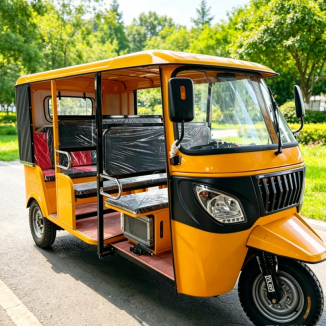
Most new transport business owners face limited capital budgets when expanding their fleets. A practical three‑wheel unit requires far lower upfront investment than conventional cars or light trucks. It avoids heavy financial pressure for individual drivers and small‑size teams. With reliable gasoline power structure, the vehicle can handle frequent short trips in downtown blocks and rural roads. Buyers can select different configurations according to local market demands, whether focusing on passenger service or small‑volume cargo delivery. Such flexible selection helps operators match vehicles with real business needs without overspending on unnecessary functions.
Flexible Body Design Improves Working Efficiency In Complex Scenarios
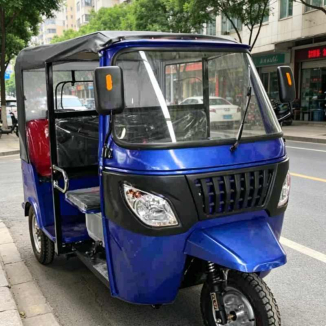
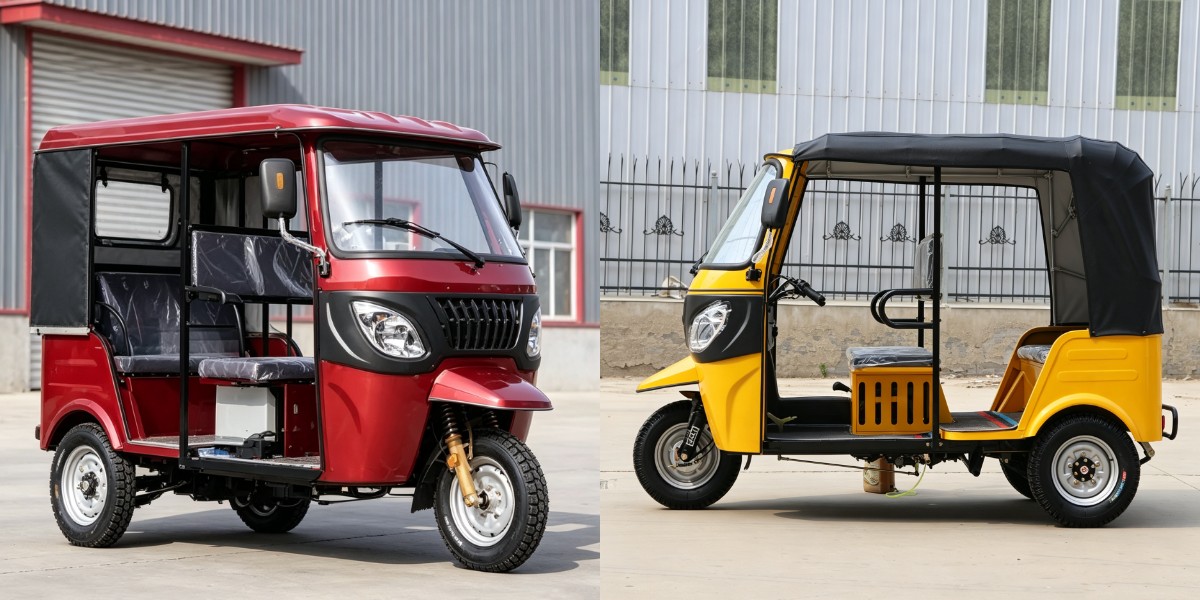
Road conditions vary greatly in many regional markets, including narrow alleyways, crowded street markets and bumpy rural paths. Large vehicles often struggle to pass through these tight spaces. Compact three‑wheel models feature small overall dimensions and flexible steering performance. Drivers can finish passenger drop‑off or cargo transportation in areas inaccessible to bigger automobiles. Stable three‑point chassis structure brings friendly driving experience, new operators can get familiar with operation in a short time. This high site adaptability expands available working areas and increases daily order quantity for transport workers.
Low Running And Maintenance Cost Boost Long‑term Profit
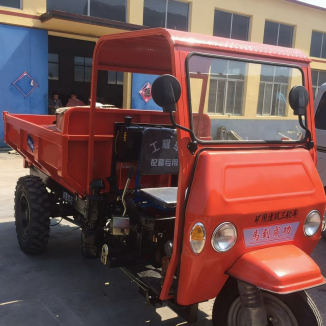
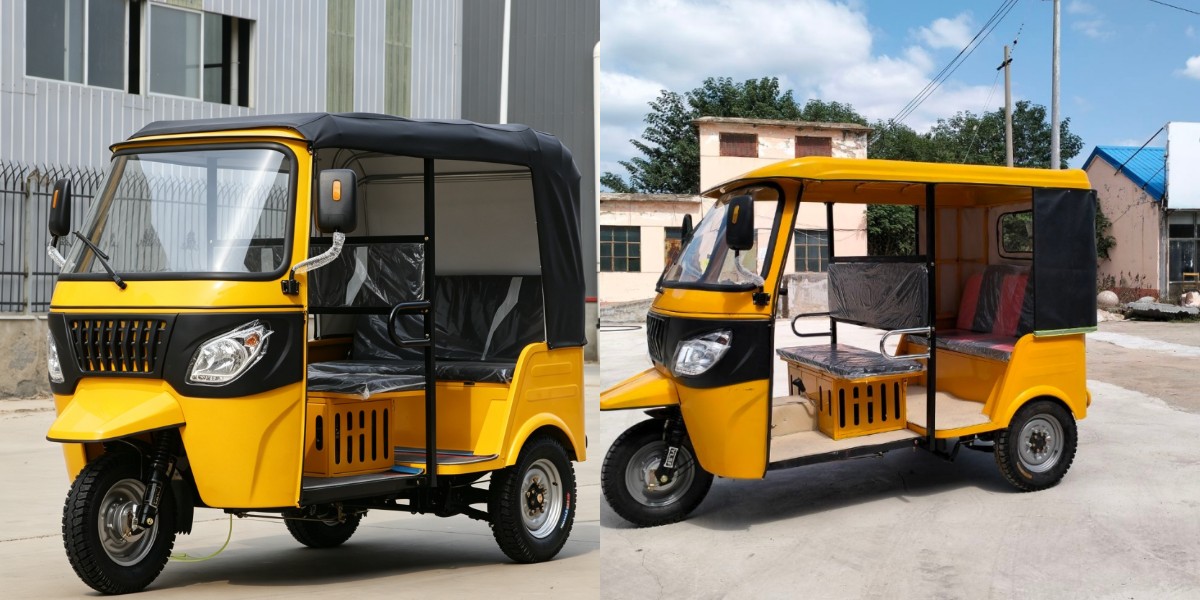
Beyond buying cost, continuous operating expenditure is another core concern for transport businessmen. Qualified gasoline‑powered tuk tuks deliver stable fuel performance for long‑hour daily operation. Major spare parts are easy to source in local markets, which cuts down repair waiting time and maintenance spending. Many models support switching between passenger carrying and cargo transport modes. One single unit can finish two kinds of work tasks, lifting equipment utilization rate. Instead of purchasing two separate vehicles for different businesses, operators save extra procurement budget. Over months and years of running, these accumulated cost savings create obvious profit advantages for end users.
Summary
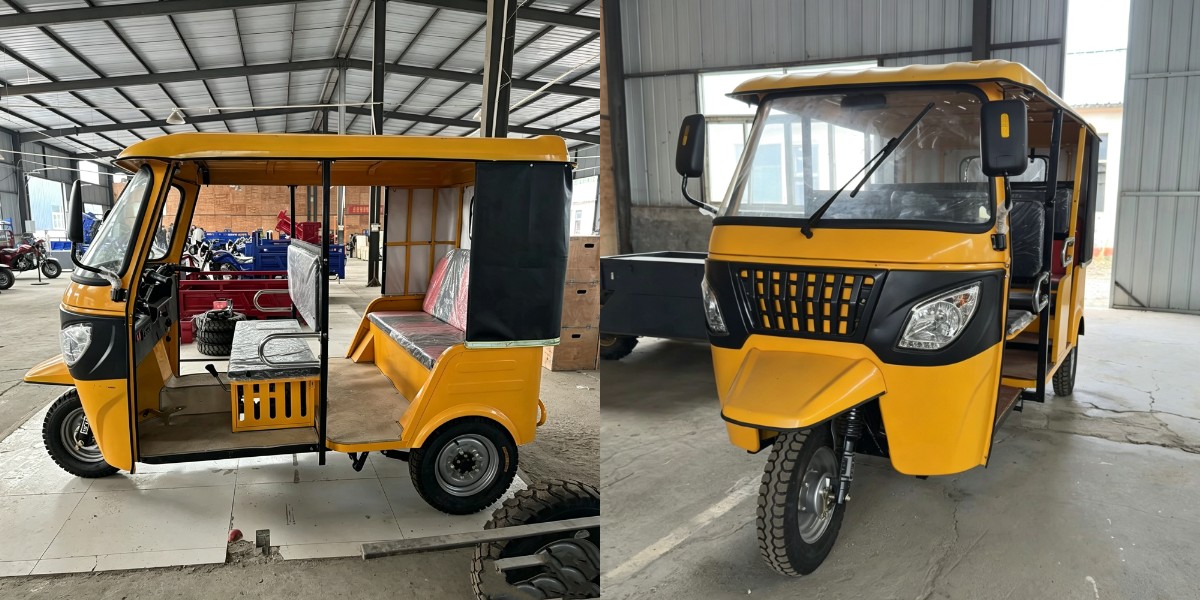
To sum up, tuk tuks show outstanding cost‑effective performance for daily passenger and cargo mixed business. It balances initial investment, site adaptability and follow‑up operating expenses. For operators running short‑distance transport services, well‑configured three‑wheel vehicles become a practical solution. When sourcing products, buyers should focus on power stability, structural durability and local‑oriented customizable options to match local road and business environment.