
Are Gas Powered Three Wheel Motorcycles Worth Buying in Regions Without Reliable Charging?
If the power grid in your area is unreliable, you will see the problem right away when trying to run a delivery route. Blackouts hit without warning, and suddenly your electric fleet is just dead weight. Your cargo is stuck on the side of the road while you wait for a charge that never comes.
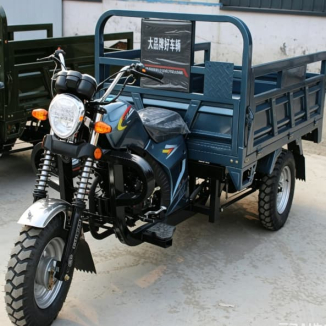
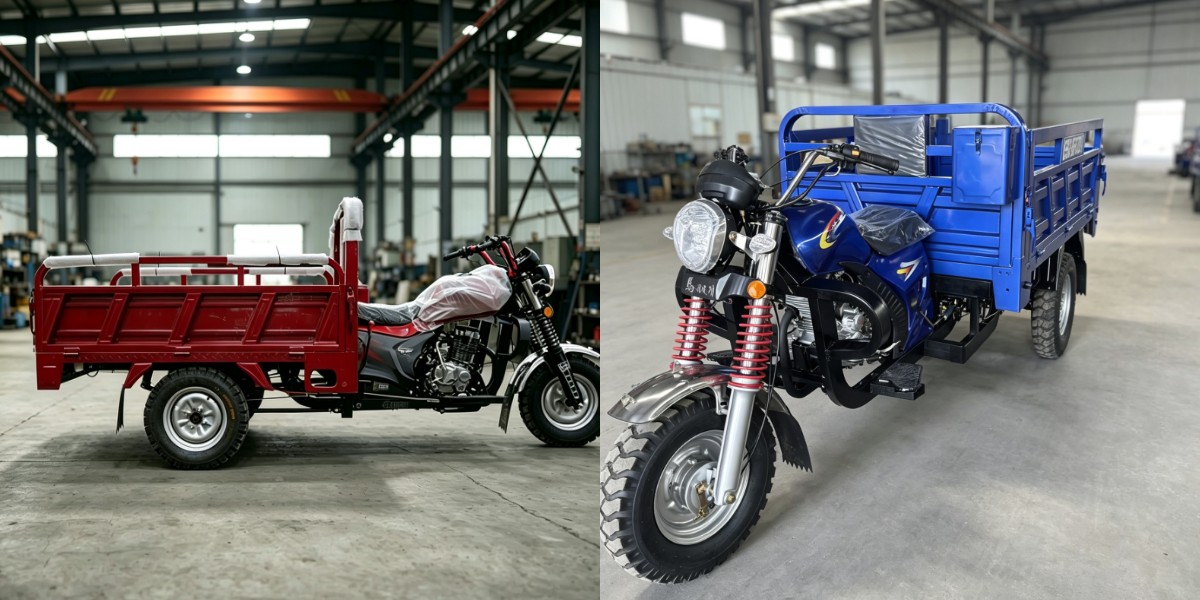
You end up losing customers and burning money. You need a machine that works when the grid doesn't. This is exactly where a commercial gasoline cargo tricycle pays for itself. When you invest in a solid transport tricycle, you are buying guaranteed uptime. Whether you are hauling heavy building supplies with a fuel tricycle or moving bulky farm goods in an open body cargo tricycle, gas power keeps your business earning when the lights go out.
Eliminating Range Anxiety and Charging Downtime
Let's talk about range anxiety. It is the absolute number one killer of daily profit for any electric fleet. A commercial gasoline cargo tricycle kills that stress completely. You pull up to the pump, fill the tank in two minutes, and you are back on the road making money.
A regular transport tricycle will give you around 100 kilometers on one tank. That is plenty of range for those long, dusty backroads and the daily back-and-forth to the local market.
Nobody wants to sit around for four to eight hours waiting on a charge. Throw a heavy load of bricks in the back, and an electric motor will drain twice as fast and struggle to pull the hills. A gas engine just keeps that same pulling power mile after mile. Cold weather? The range doesn't fall on its face. Out in the middle of nowhere, a rugged rural cargo haul tricycle runs all day long with just a spare jerrycan of fuel. For a rural transport business, having that kind of independence is a huge operational edge—it keeps your profit margin alive.
Power, Payload, and Terrain Adaptability
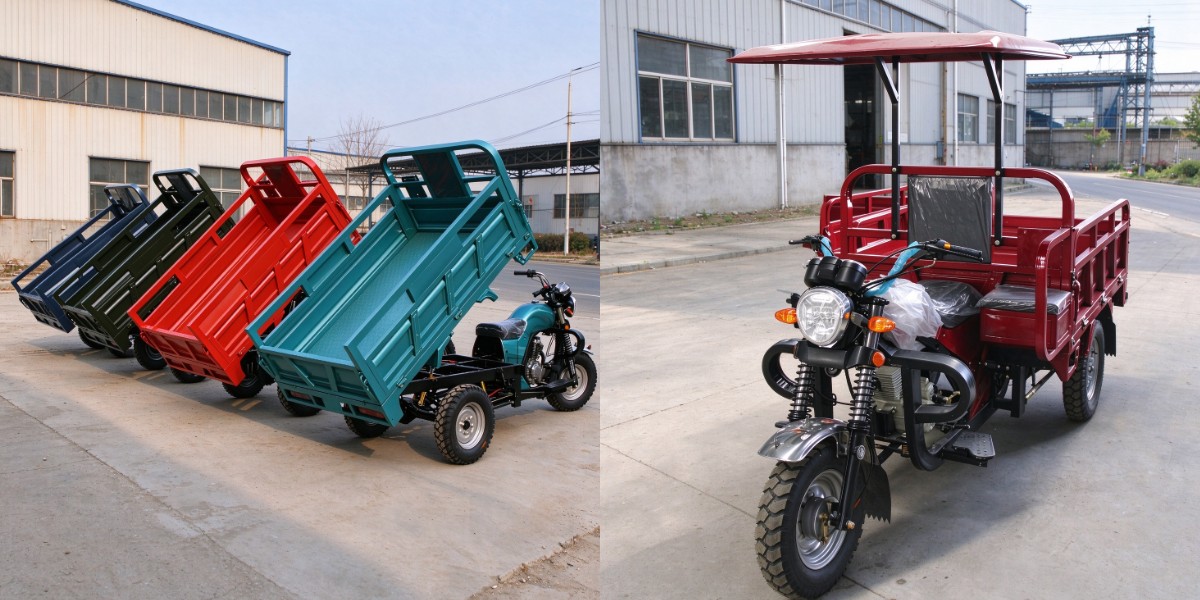
Bad roads and job sites will destroy flimsy equipment. You need a rig that can drag heavy loads through deep mud and climb steep hills without overheating. A well-built open body cargo tricycle takes a beating and asks for more. The thick steel frame and the gas engine put out serious torque right off idle. You get real climbing power and grip on steep grades—places where weaker machines just stall out and die.
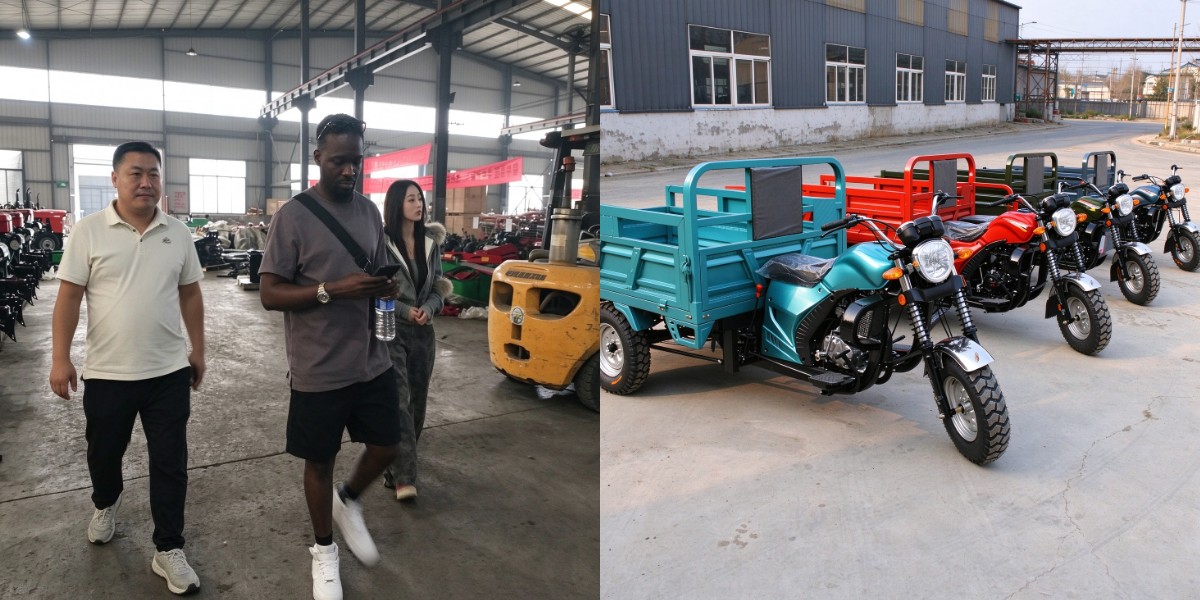
Since a fuel tricycle is so tight and compact, it slips right through narrow village paths and crowded markets. Load up a rural cargo haul tricycle with sand, cement, or heavy crops, and the heavy-duty frame handles the weight without sagging. Need a specific setup for your area? The factory can easily tweak the cargo box or engine specs to match exactly what you do every day. You get exactly what fits your terrain.
Simple Operation and Low Maintenance Costs
Out in the field, a commercial gasoline cargo tricycle is dead simple to fix. Local village mechanics know these standard engines inside and out, and parts are cheap. Routine maintenance is basic stuff: check the oil, tires, and brake fluid. But the real money-saver is how easy it is to drive. It uses a simple manual transmission. The steering is super light, and the throttle responds instantly. A rookie driver can hop in and get the hang of it in an hour—no expensive driving school required. That simplicity means your commercial gasoline cargo tricycle stays on the road earning its keep, instead of sitting in a shop waiting on an expensive circuit board to ship from overseas.
When Gas is the Clear Winner
So, are gas-powered three-wheelers actually worth buying? If your business depends on long hauls, heavy payloads, and running day in and day out, the math is a no-brainer.
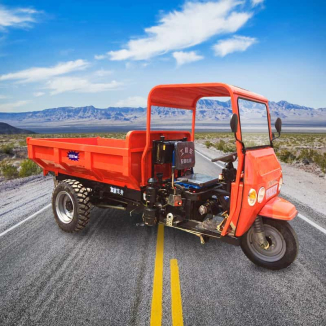
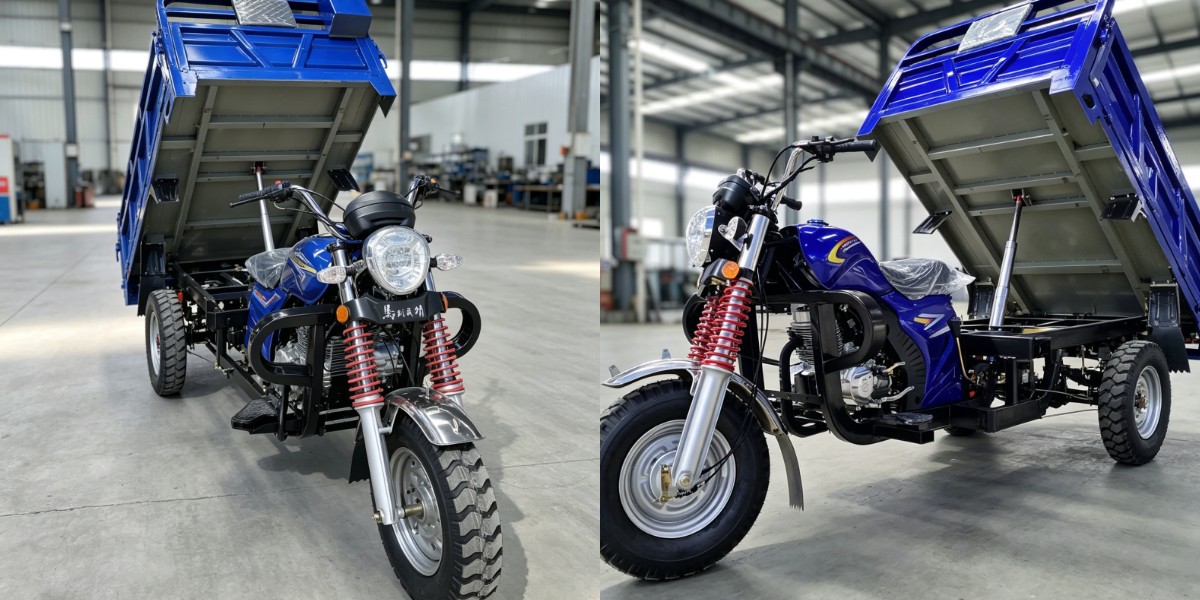
Electric rigs are okay if you are in a paved city with a perfect charging network. But out in the real world, a commercial gasoline cargo tricycle is the workhorse you need. Whether you are adding a fuel tricycle to a delivery startup or a heavy-duty open body cargo tricycle to a construction crew, you need the wheels turning. A reliable rural cargo haul tricycle means a dead battery will not cost you a day's pay. And throwing a petrol dump tricycle into the lineup guarantees you can haul the absolute heaviest jobs on the site.