
Why Water‑Cooled Auto Rickshaw Gains Popularity In Tropical Areas?
As urban public transport and short‑distance passenger transport keep expanding across tropical regions, auto rickshaws, also known as tuk‑tuks, remain one of the most practical mobility solutions for local communities. Yet high ambient temperature has long been a major headache for fleet owners and drivers. Many conventional air‑cooled 6 seater gasoline tuk tuk suffer from frequent engine overheating during long‑hour continuous driving, bringing unexpected downtime and extra maintenance costs. That is why water‑cooled tuk‑tuk models are rapidly winning market favor in hot climate zones.
Better Heat Dissipation For Long‑Hour Operation
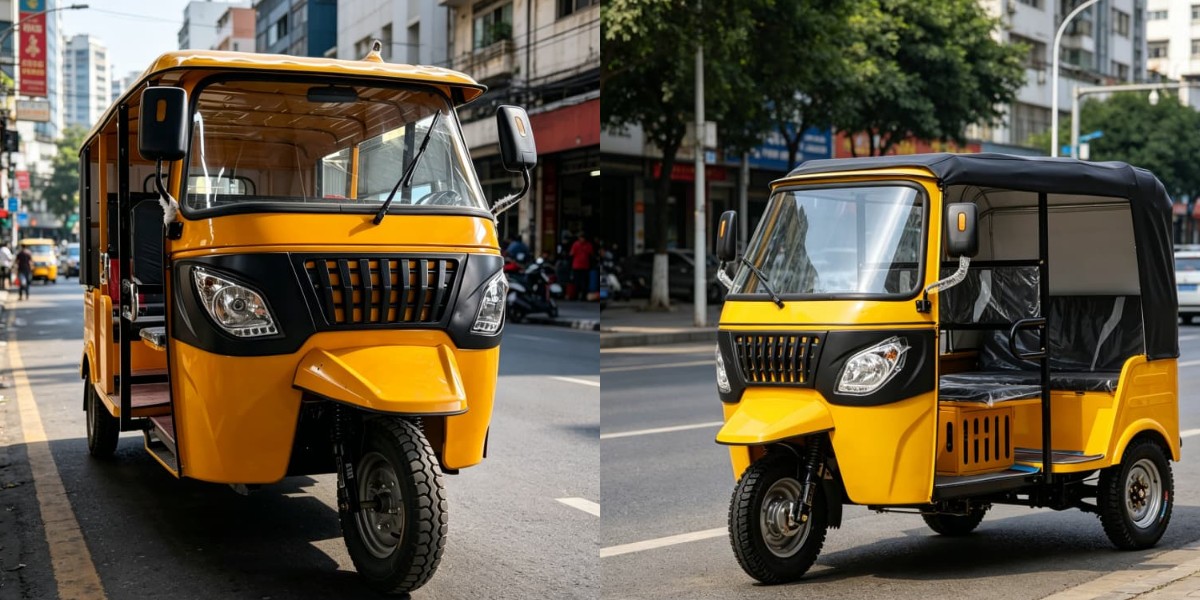
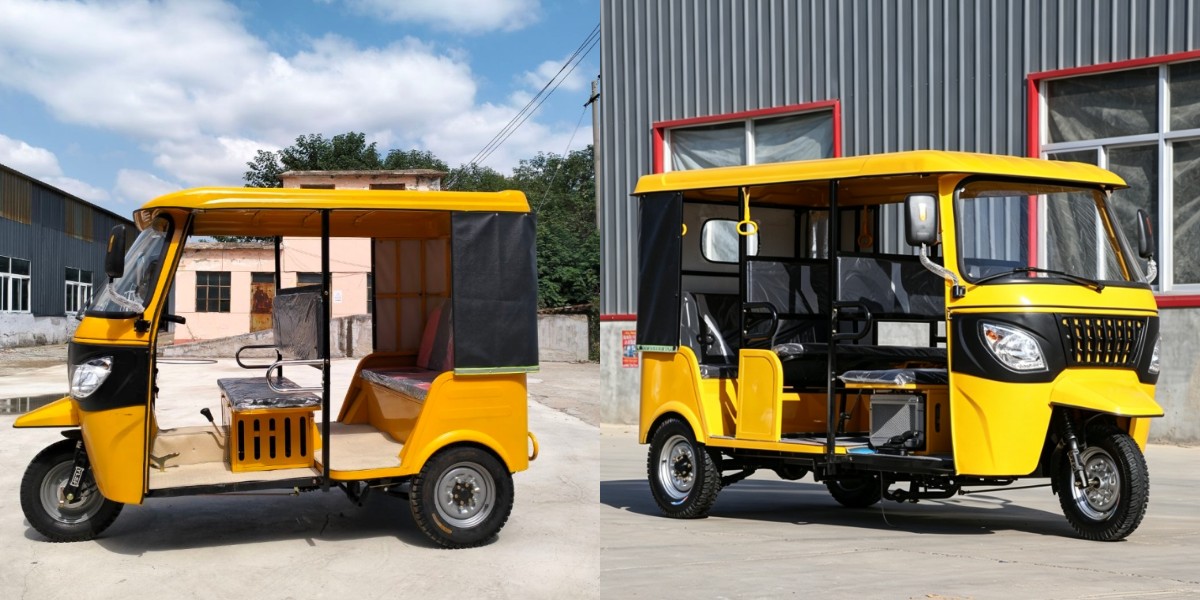
Durable tuk tuk needs to withstand non‑stop running under high‑temperature outdoor conditions. Air‑cooled structures rely only on wind to take away engine heat, which performs poorly when driving slowly or stuck in heavy traffic. Water‑cooled auto rickshaw adopts circulating water cooling system, which keeps engine temperature stable even under sustained workload. For 2 row seat tuk tuk carrying multiple passengers, the cooling system effectively avoids overheating shutdown, greatly reducing sudden breakdown risk on busy routes.
Lower Maintenance Cost For Fleet Operators
For dealers and fleet buyers in tropical countries, frequent engine damage means high repair expenditure and revenue loss. Overheating will accelerate aging of engine parts, shorten service life and raise replacement frequency. Water‑cooled tuk‑tuk maintains proper working temperature all the time, slowing down component wear. Compared with traditional air‑cooled counterparts, it cuts down workshop visiting times, helping operators get stable daily income from passenger transportation business.
Comfort Riding Experience For Drivers And Passengers
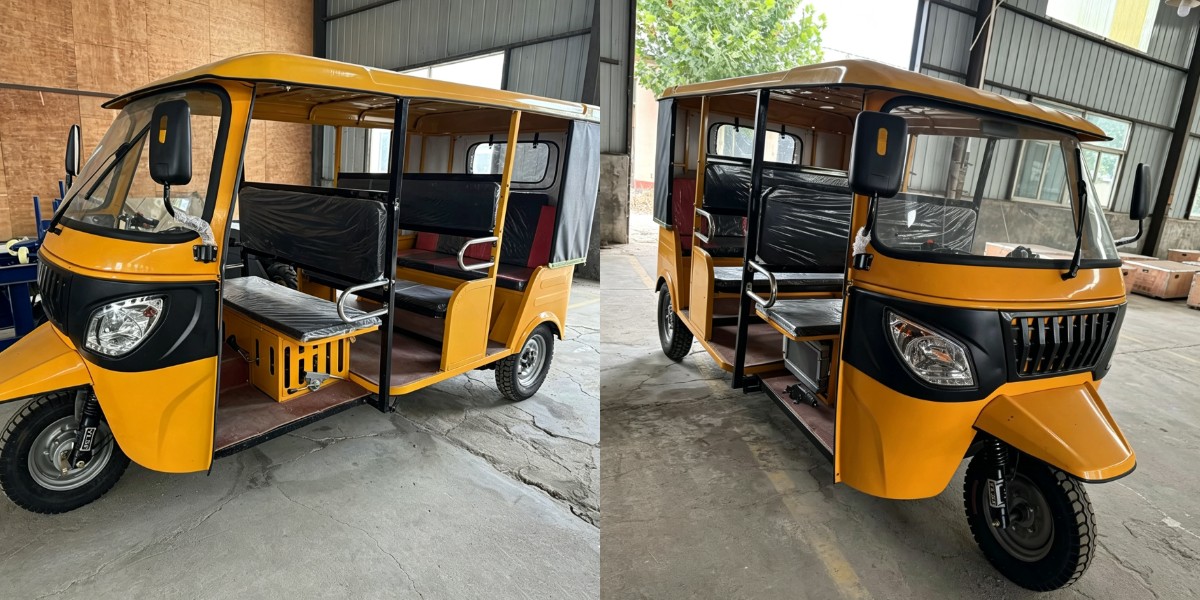
Excess engine heat will transfer to the cabin, making drivers and passengers feel extremely hot during trips. Water‑cooled auto rickshaw controls engine surface temperature effectively. Whether it is a 6 seater gasoline tuk tuk for passenger service or a 2 row seat tuk tuk for city shuttle service, it delivers a more comfortable riding environment. This advantage makes durable tuk‑tuk more competitive in local passenger transport market, attracting more riders to choose this vehicle.
Conclusion
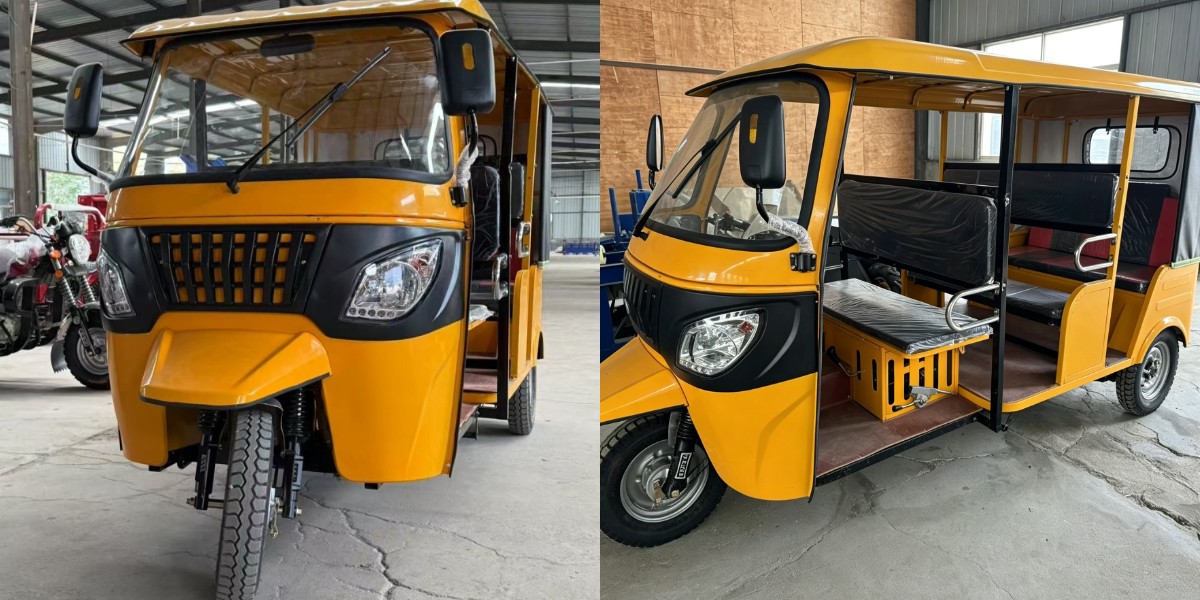
High temperature is an unavoidable challenge for three‑wheeler vehicles in tropical zones. Water‑cooled auto rickshaw solves the core pain point of engine overheating, with reliable heat dissipation, reduced maintenance burden and improved riding comfort. As local demand for stable passenger transport keeps growing, water‑cooled tuk‑tuk will continue to be a preferred option for dealers, fleet owners and end‑users across tropical areas.