
Are Tuk-Tuks Street Legal in the US?
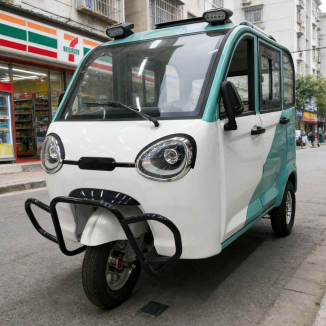
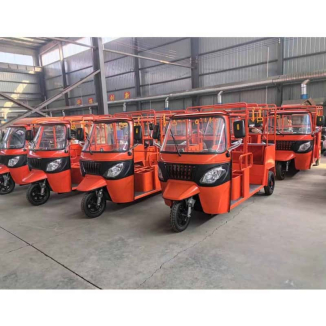
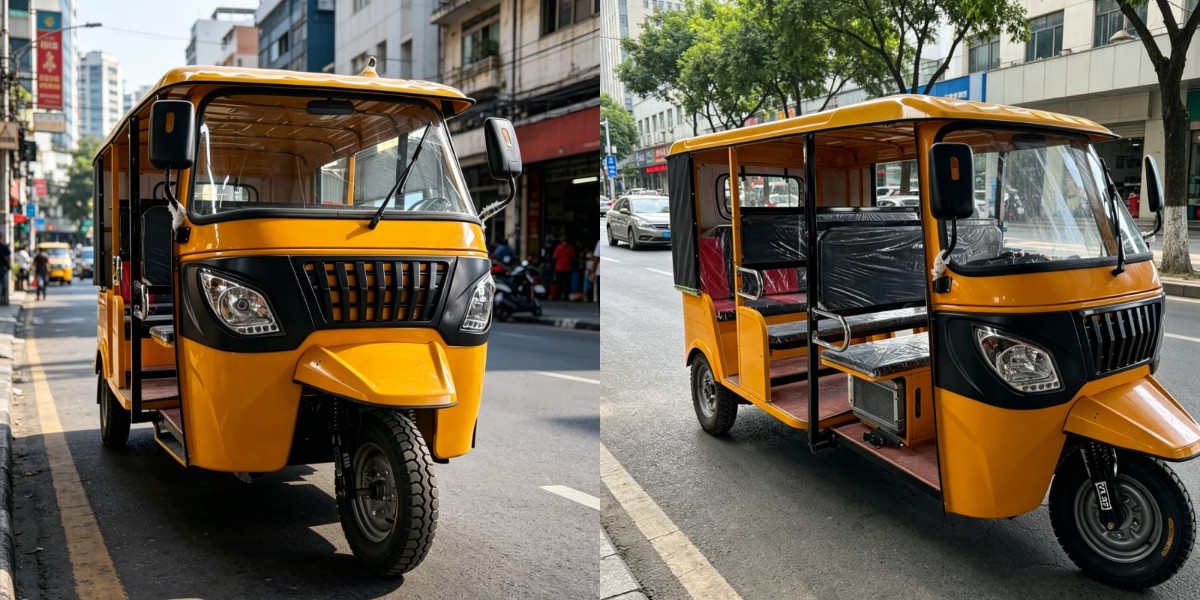
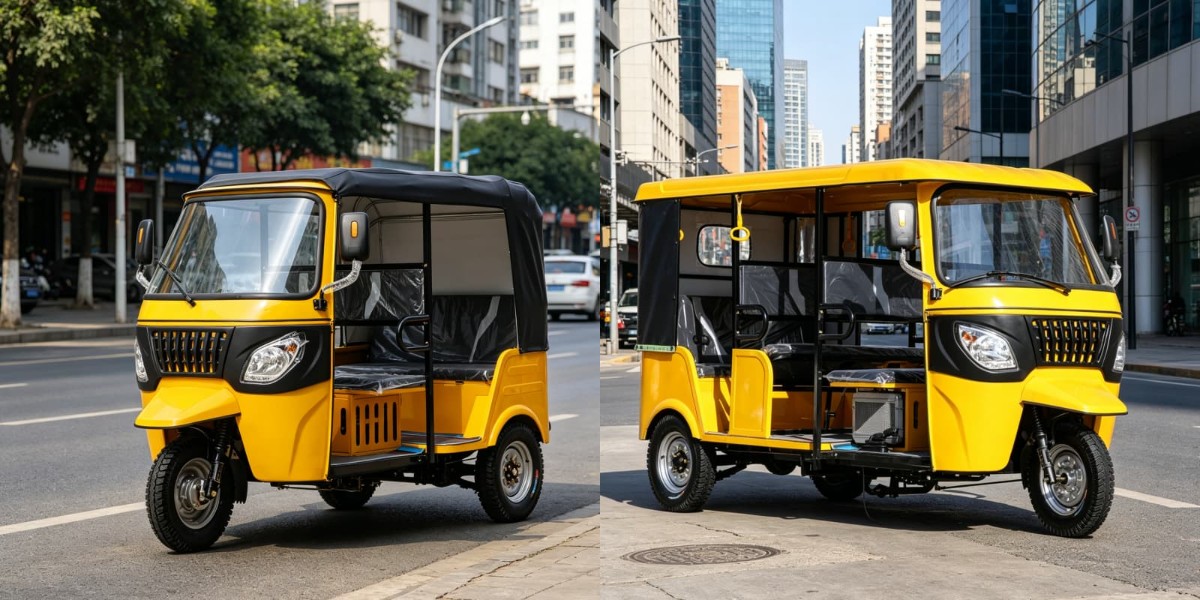
Three-wheeled vehicles weaving through Bangkok traffic are instantly recognizable. Known as tuk-tuks, these compact machines are drawing attention from American buyers and tour operators. A modern petrol tuk tuk can serve as a tourist tuk tuk for city sightseeing or a cargo passenger tuk tuk for short-haul delivery.
Yet the key question is simple: is it legal to drive one on public roads in the United States? It depends. Its legality rests on federal safety standards, top speed, and state traffic laws.
Federal Classification and Safety Standards: Compliance Is Mandatory
The first hurdle comes at the federal level. The National Highway Traffic Safety Administration classifies a three-wheeled commercial auto rickshaw as a motorcycle, while a four-wheeled version meeting low-speed criteria may be treated as a low-speed vehicle. Each category is subject to different Federal Motor Vehicle Safety Standards (FMVSS). Imported units must meet those standards and obtain EPA emissions certification, though electric models are exempt.
Shoppers browsing a tuk tuk for sale online often find that low-priced listings cannot be titled. An open air passenger tuk tuk without a verifiable VIN or certification labels can face delays at import.
State Laws and On-Road Restrictions: Location Determines Legality
Passing federal rules is only half the battle. The final decision on street legality rests with each state's Department of Motor Vehicles, and the rules vary widely. A tourist tuk tuk may be legal on one city's streets but barred in the next. Many states require a motorcycle endorsement, and helmet rules may apply.
A commercial auto rickshaw used for business may need extra licensing. Anyone considering a tuk tuk for sale should confirm local classification before paying a deposit. A petrol tuk tuk is normally classified as a motorcycle, not a low-speed vehicle, because the federal LSV definition requires four or more wheels.
Legal Uses and Required Modifications: Upgrades Are Essential
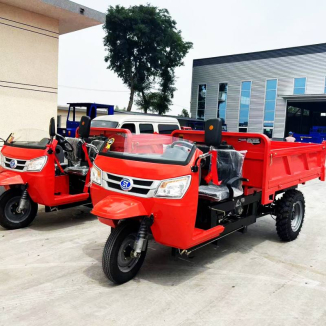
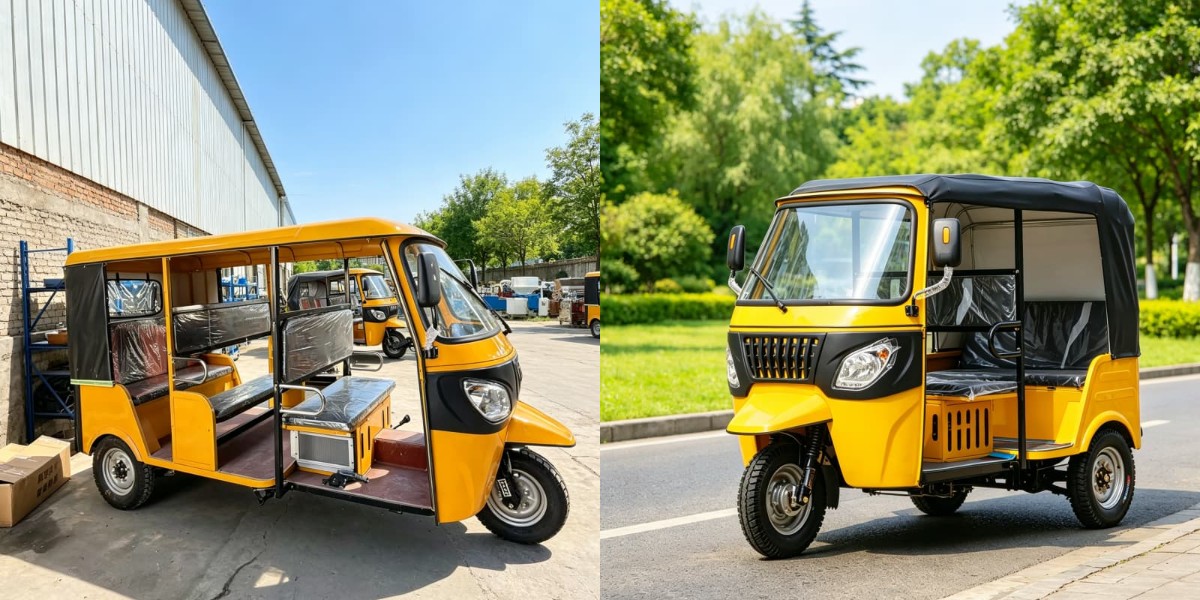
Legal tuk-tuks in the United States serve roles such as short tours, hotel shuttles, and event rentals. A cargo passenger tuk tuk might haul luggage between a resort and its lobby, while a commercial auto rickshaw converted into a mobile coffee bar draws crowds at markets.
Equipment requirements for an open air passenger tuk tuk depend on how the vehicle is classified. A four-wheeled low-speed vehicle under FMVSS 500 needs lighting, mirrors, a parking brake, a windshield meeting federal glazing standards, a VIN, and seat belts; federal rules do not impose the same list on three-wheelers. State inspections may impose additional requirements.
A petrol tuk tuk that meets the applicable standards still needs proper insurance. Insurance rules vary by state, and many require liability coverage. These upgrades add cost but do not guarantee street legality.
Conclusion and Buying Advice: Check Documents First
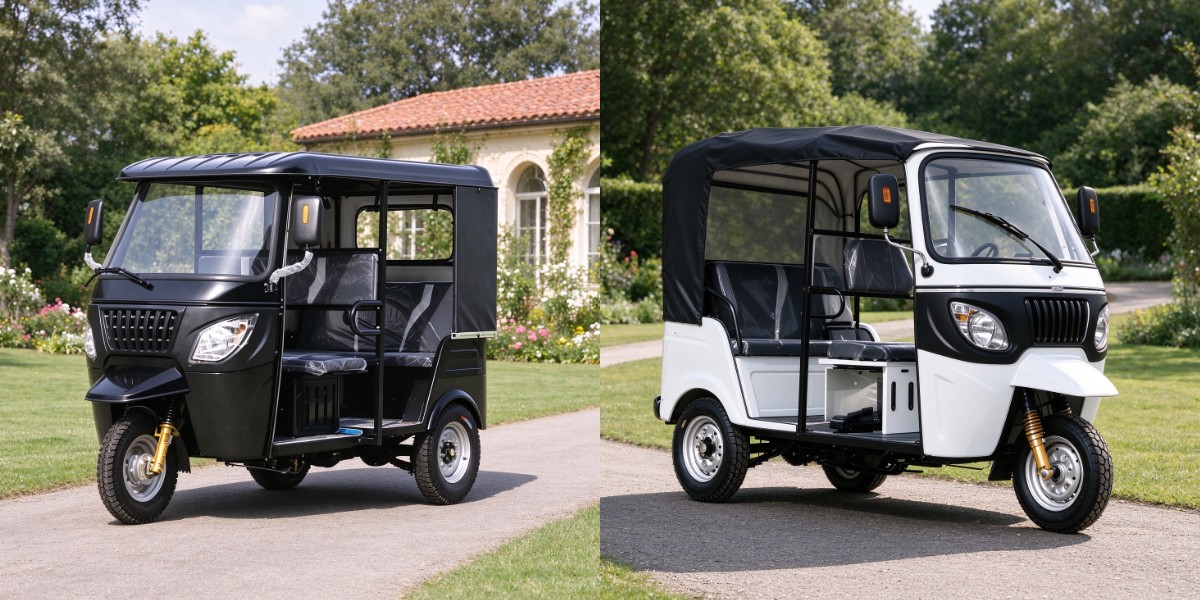
So, are tuk-tuks street legal in the United States? Only under specific conditions. A buyer considering a tuk tuk for sale should contact the local DMV and confirm the seller provides complete documents, including a valid VIN and compliance labels. A cargo passenger tuk tuk intended for deliveries and a tourist tuk tuk intended for daily tours deserve the same careful review.
A commercial auto rickshaw bought for business needs the appropriate insurance coverage, and a tuk tuk needs to clear federal import rules and meet its state's own registration requirements. With paperwork in order, such a vehicle can be a profitable asset.