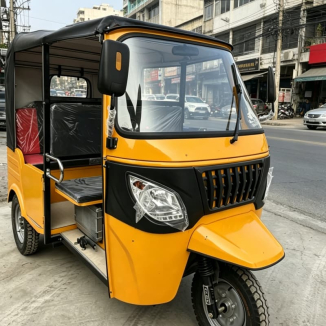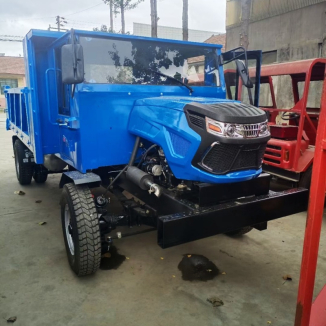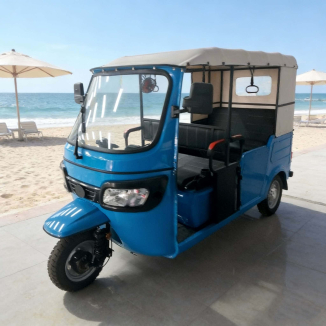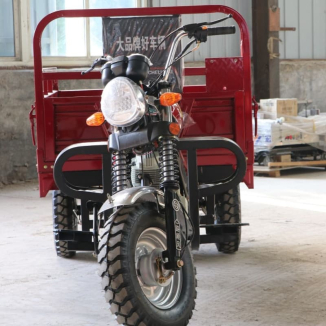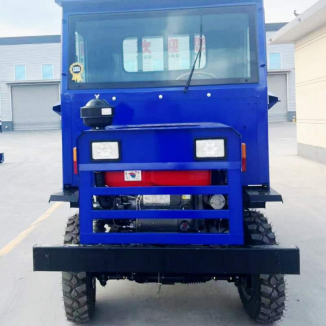

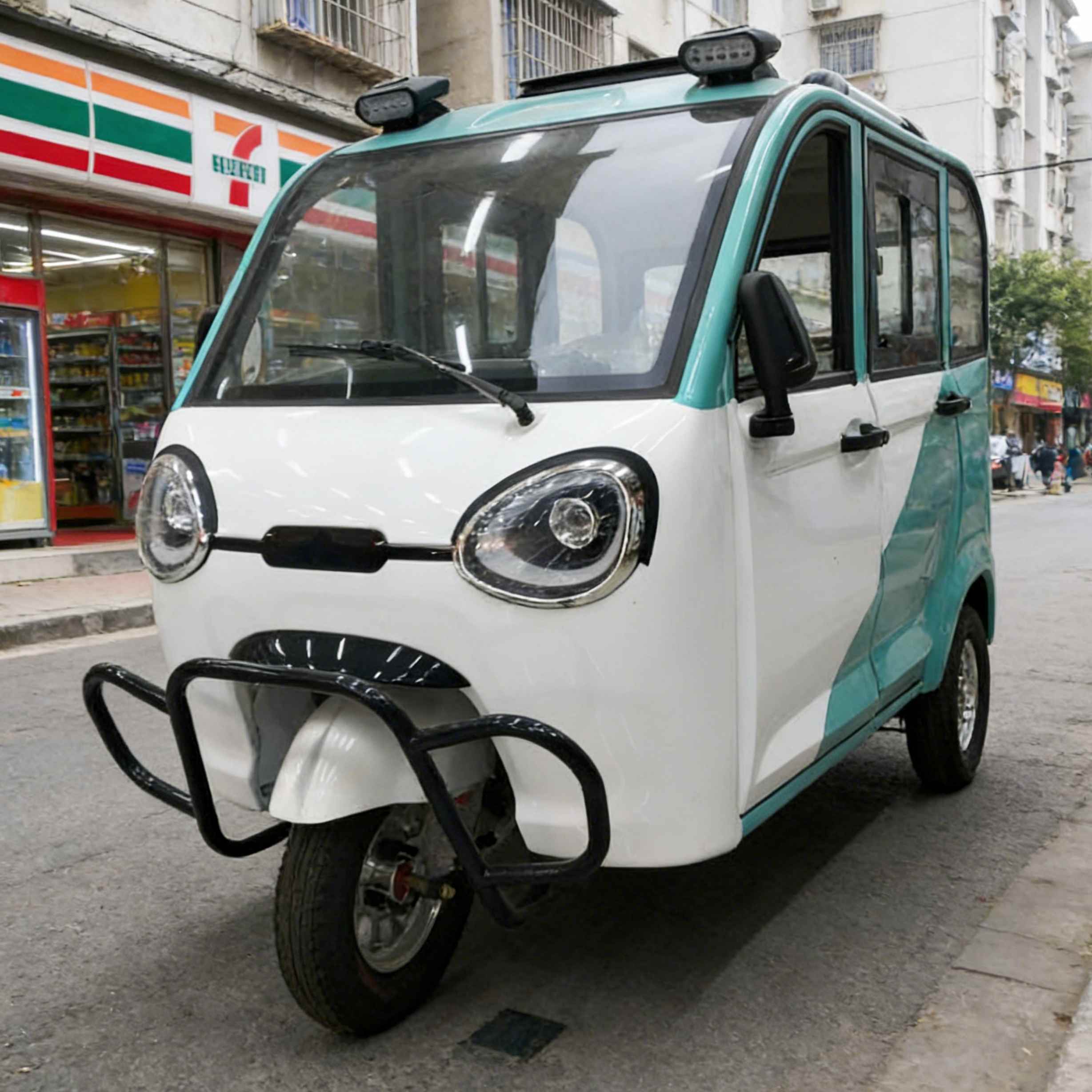
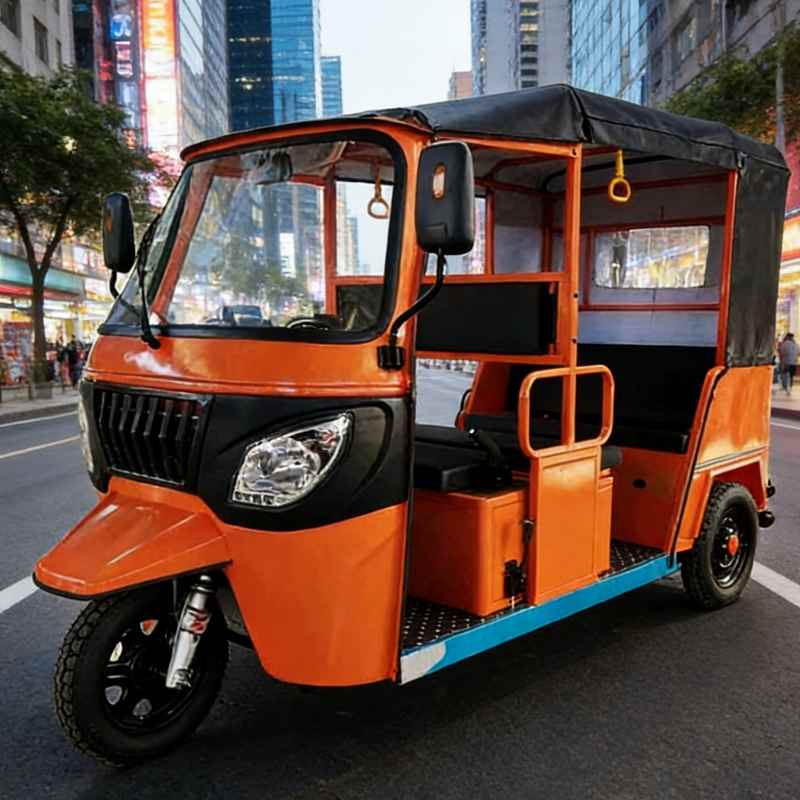
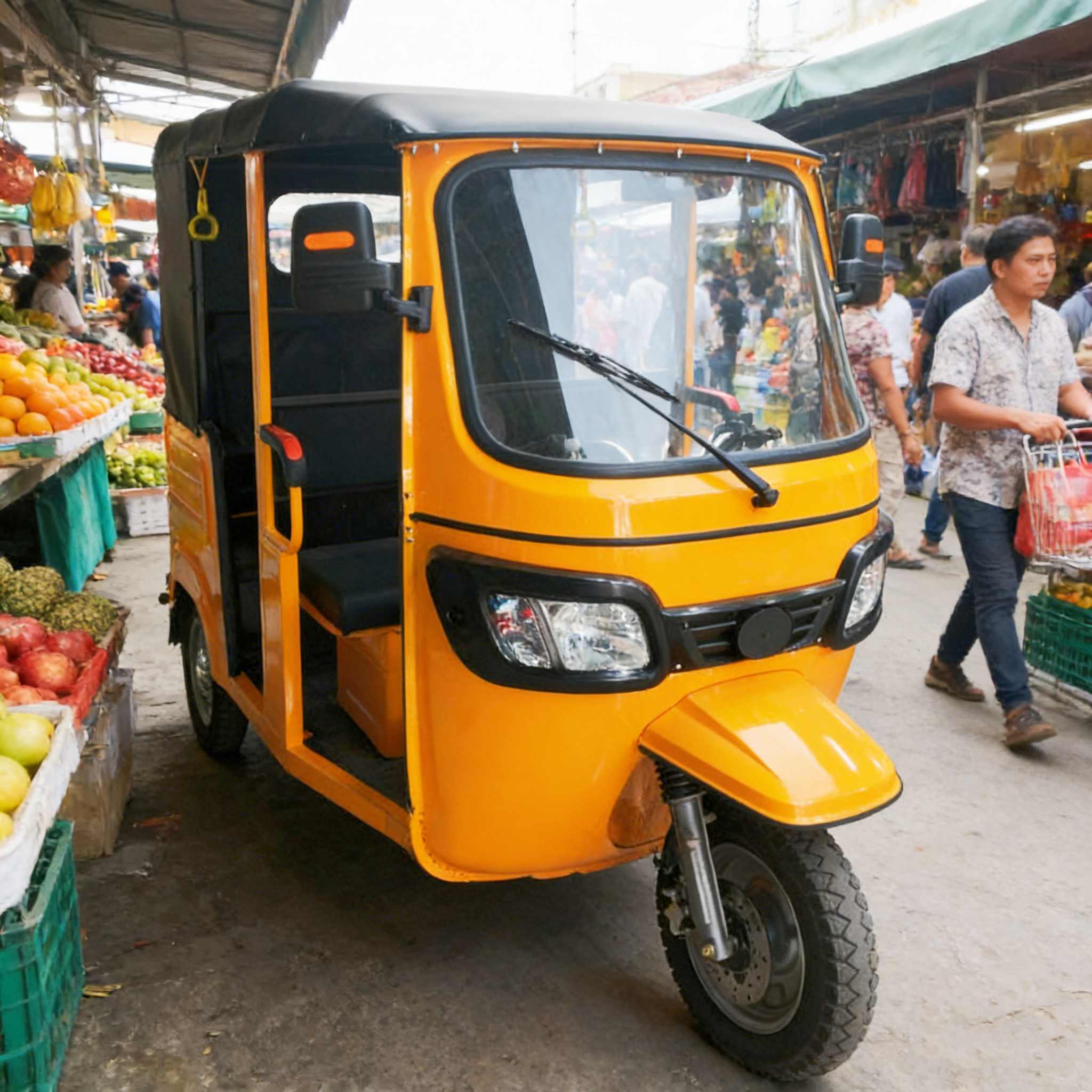
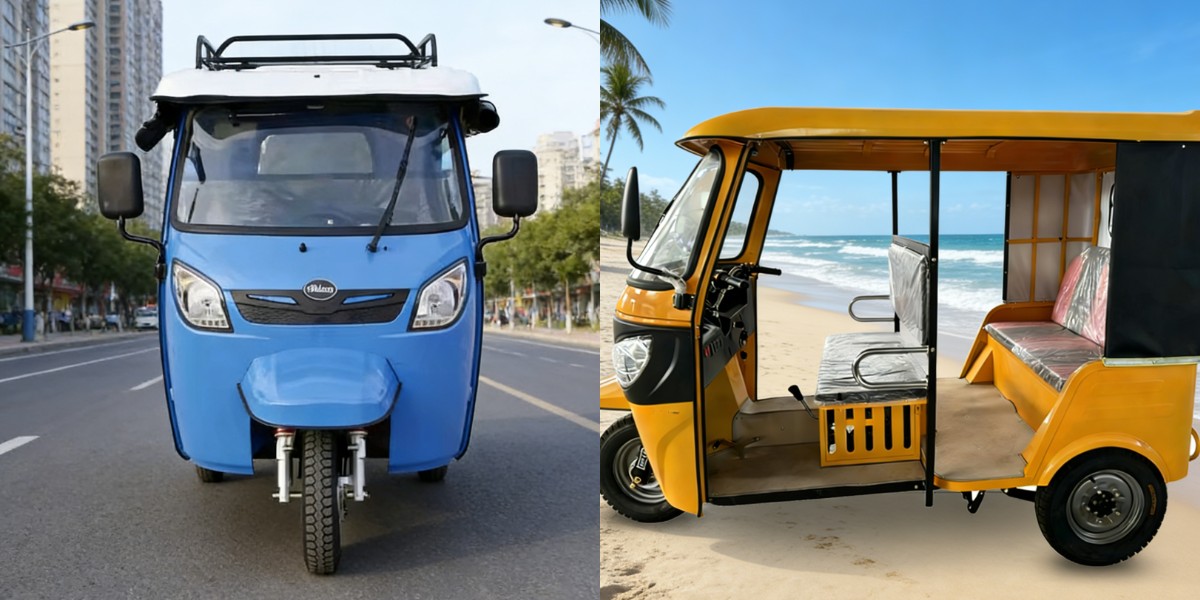
Three wheeler e rickshaw
Environmental protection: Electric drive, reduced carbon emissions, and eco-friendly transportation.
Flexibility: Compact size, suitable for narrow city streets, and easy to maneuver.
Low cost: Affordable rental fees and low operating costs, saving on transportation expenses.
Stylish design: Unique appearance that meets the individual needs of young people.
If you’re a fleet owner, delivery supervisor, or small business runner, you know the hassle firsthand: petrol rickshaws drain profits with sky-high fuel bills, cheap electric models conk out in six months flat, and too many vehicles can’t handle the real loads or bumpy roads you deal with daily. Our three wheeler e rickshaw isn’t just another vehicle—it’s built to fix these exact headaches, so you spend less on repairs and more on growing your business.Most generic e rickshaws cut corners to hit low price points—they slap in refurbished batteries and thin steel that bends under pressure. We don’t do that. Every unit we build is made for commercial use, whether you’re shuttling passengers through tight city lanes or dropping off goods in rural areas.
Product Parameters
Motor Power | 1200W-1500W Differential Motor | Go with the 1500W if you’re in hilly areas—it climbs 30° slopes with a full 500kg load without overheating. The differential design avoids the motor burnout common with hub motors, saving you 40% a year on repairs. |
Battery | 60V32Ah Lead-Acid (Tianneng/Chaowei) or 60V20Ah Lithium | Lead-acid gives you 80km of real-world range (loaded) and a 12-month warranty—great for short routes. Lithium hits 120km and lasts 2 years, perfect for long daily runs. No "range lies" like unbranded batteries pull. |
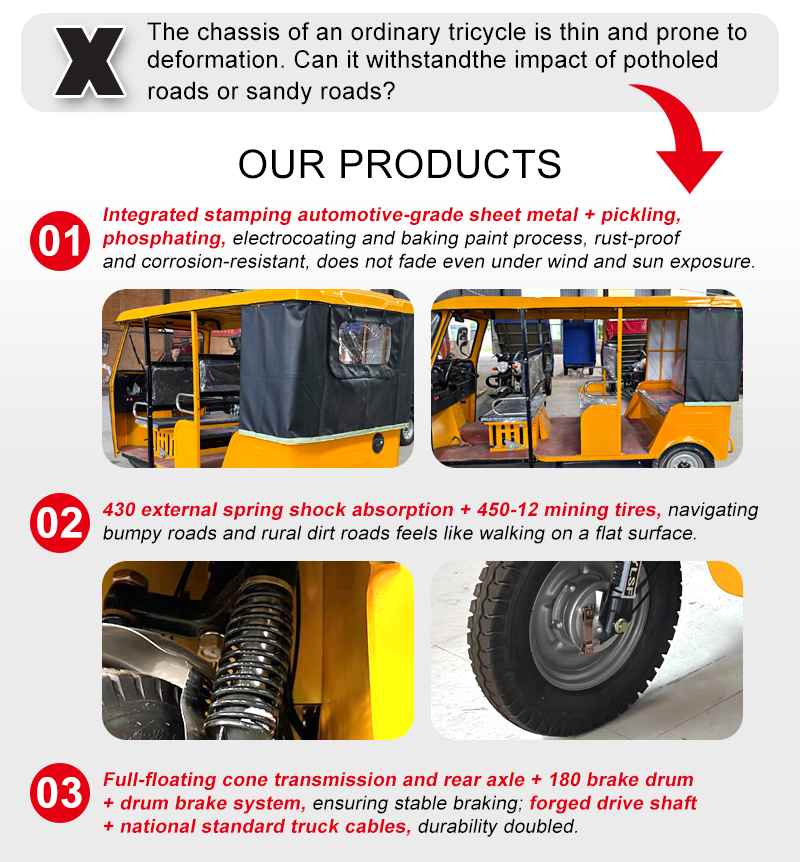
Frame Material | 2.0mm Thick High-Carbon Steel (Electrophoresis Coated) | Thick steel won’t bend under heavy loads. The electrophoresis coating stops rust in rain or humidity—we’ve seen uncoated frames rust out in 2-3 years, but this one lasts 5+. |
Braking System | Front Disc + Rear Drum Brake with Hydraulic Shock Absorbers | Disc brakes cut stopping distance by 20% vs. dual drums—life-saving in crowded cities. Hydraulic shocks mean less driver fatigue and fewer broken goods on rough roads. |
Wheelbase | ≥1500mm | Wider wheelbase stops side tipping—we’ve seen narrow models (≤1400mm) tip over when loads shift, costing more in damages than the initial savings. |
Product Details: How We Build It & Test It—No Cutting Corners
Production Process: Durability Doesn’t Happen by Accident
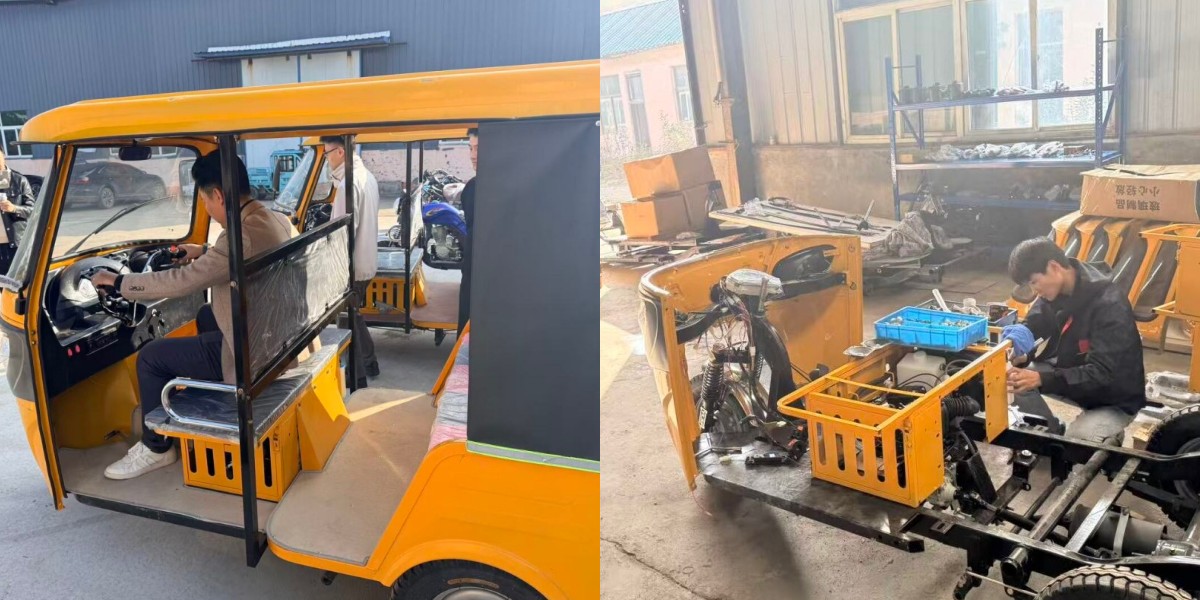
We put every e rickshaw through 5 strict steps to fix the flaws that ruin cheap models. Here’s exactly how we do it:
1. Stamping: We use custom dies to stamp 60-70% of body parts—no welding scrap metal together. This means every unit has the same strength, no weak spots.
2. Welding: Robot-assisted spot welding (120+ points per frame), not manual. Every weld gets checked for evenness—no frame separation under load, a common cheap-model failure.
3. Coating: Three-step process: degrease, phosphating, then electrophoresis. We test it with 500 hours of salt spray—no rust, even in coastal or rainy areas.
4. Assembly: Only branded parts—Napu motors, Honglida controllers. Certified techs put each unit together, and every bolt gets a torque check to avoid loose parts down the line.
5. Final Testing: 2 hours of road testing (loaded and unloaded), battery performance checks, brake tests, and water resistance for the battery compartment. If it fails any, it gets fixed—no exceptions.
Common Mistakes Buyers Make—Don’t Fall for These
We’ve seen too many buyers regret their choice. Steer clear of these errors: • 800W motors for cargo: They burn out in 6 months of heavy use. Spend the extra on 1200W+. • Lithium batteries in rural areas with spotty power: Lead-acid handles irregular charging better—no dead batteries mid-route. • Narrow wheelbase to save money: Tipping accidents cost way more than the few dollars you’ll save upfront. |
Service Commitment: We Stand Behind Our Products
Warranty Policy—Better Than the Industry Norm
Component | Warranty Period | What’s Covered |
Motor | 1Years | Coil burnout, magnet detachment—non-human damage. We’ll send a new motor, no charge. |
Lead-Acid Battery | 1 Year | Leakage or capacity below 60%. New battery if it fails in 0-6 months; maintenance battery for 7-12 months. |
Lithium Battery | 2 Years | Leakage or capacity below 60%. New battery for 0-12 months; maintenance battery for 13-24 months. |
Frame & Forks | 1 Year | Welding cracks or deformation—non-human damage. We’ll repair or replace it, free of charge. |
Electrical Parts (Controller, Charger) | 1 Year | Functional failures—non-human damage. New part, no cost to you. |
After-Sales Support—We’re Here When You Need Us
• Spare Parts Supply: 90% of parts are in stock. Delivered in 3-5 working days via DHL/FedEx—keep your fleet running, no downtime.
• On-Site Training: Free training for your maintenance team if you order 50+ units. Teach your crew to fix small issues, cut repair costs.
• Non-Warranty Coverage: Paid repairs with clear pricing—no hidden fees for labor or parts. We’ll quote you upfront, no surprises.
FAQ
Procurement Questions
Q: Can I get a sample before placing a bulk order?
A: Yes. Sample MOQ is 1 unit (standard model), takes 7-10 working days. If you place a bulk order (50+ units) within 3 months, we’ll refund the sample cost.
Q: What payment terms do you accept?
A: T/T (30% deposit, 70% before shipment) for standard orders. We don’t do COD for bulk buys—too risky for both sides.
Q: How do I make sure it’s compliant with my country’s rules?
A: Send us your country’s vehicle standards (like EU E-Mark or US DOT), and we’ll give you a compliance certificate. All our models are built to meet global regulations.
Usage & Maintenance Questions
Q: How often do I need to maintain it?
A: Routine check every 3 months—inspect brakes, lubricate chains, clean battery terminals. Annual professional service to keep it running long-term. We include a maintenance checklist in the manual.
Q: Can I charge the battery with solar panels?
A: Yes. We offer optional solar kits that work with both lead-acid and lithium batteries—great for rural areas with spotty grid power. Adds 20km of daily range from solar alone.
Q: Why does battery capacity drop, and how do I stop it?
A: Overcharging, draining below 20%, and high heat kill batteries fast. Use our original charger, don’t leave it plugged in overnight, and store batteries in a cool spot. Check capacity every 6 months to catch issues early.
Q: What if it’s in an accident?
A: Send photos of the damage to our local service center. We do accident repairs with genuine parts to get it back to original condition. Note: Accident damage isn’t covered under warranty.