
Why Are Gasoline Cargo Tricycles a Practical Transportation Solution for Small Businesses?
Across wholesale markets, produce centers, and courier depots, a three-wheeled vehicle works narrow lanes from dawn to dusk. Energy-saving LED lights make early starts and late returns safer.
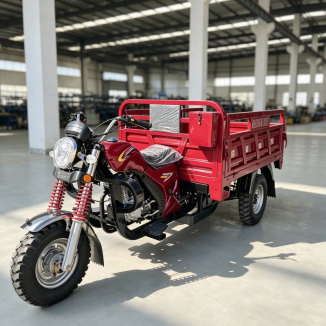
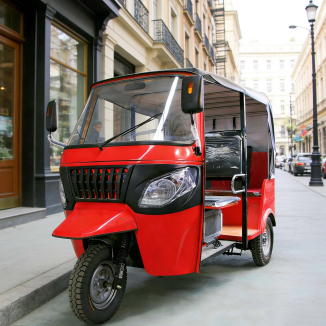
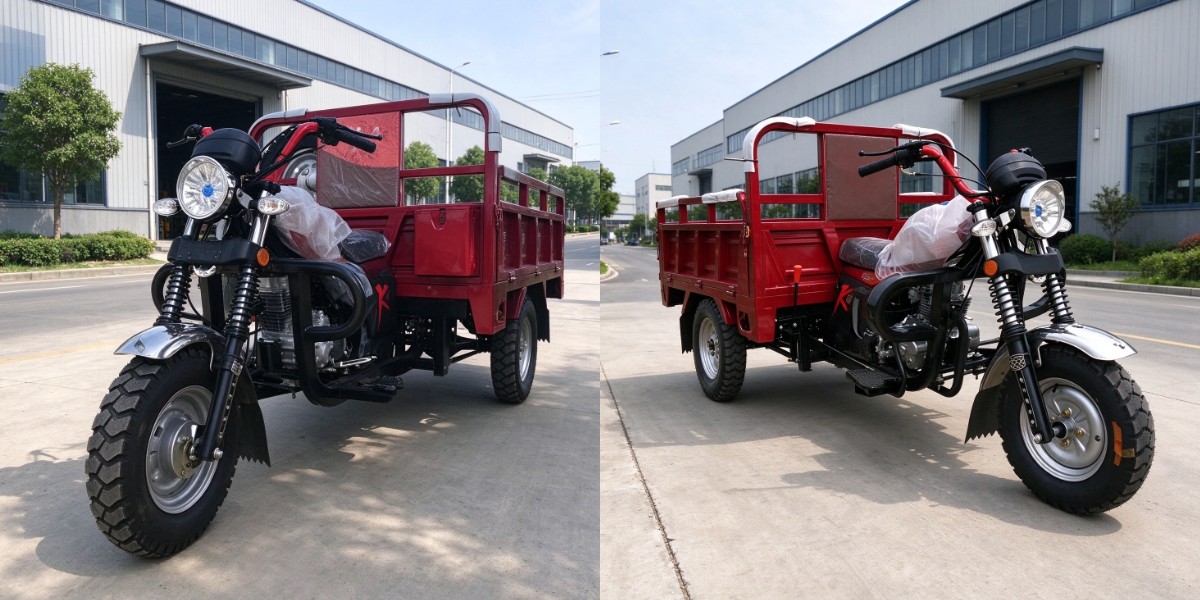
It is the gas powered cargo tricycle, popular not for speed or styling but for fit. For a shop owner making several short daily runs with modest loads, a cargo tricycle for business transportation delivers the low cost, high frequency, and last-mile flexibility a van cannot match at the same price.
Observers call the gasoline tricycle a working tool: a 150cc cargo tricycle moves a day's stock from stall to storefront without a light truck's fuel bill or parking headache. When a plain cargo tricycle finishes those rounds for a fraction of the investment, the arithmetic is clear. That logic keeps thousands of micro-enterprises running, though the machine rarely makes headlines.
Affordability Lowers the Entry Barrier
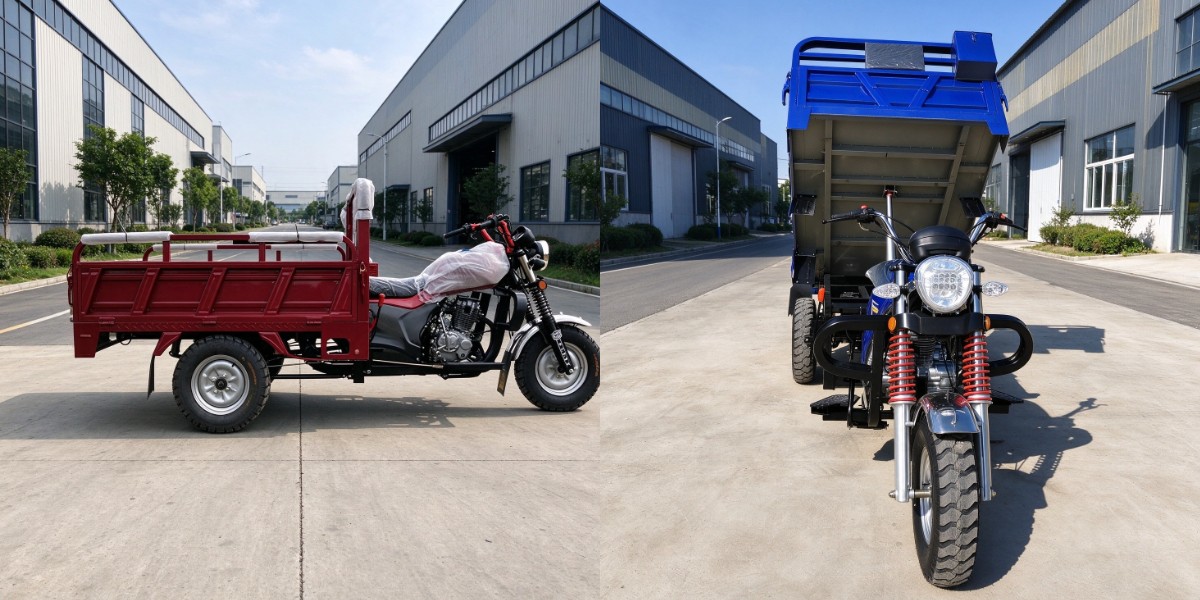
For a business on thin margins, the purchase price is only the beginning. A gas powered cargo tricycle costs a fraction of a light van, so payback is measured in months, not years, and capital stays free for inventory or rent. That matters for startups and owners with irregular cash flow.
Take our factory's gasoline tricycle as an example: the petrol cargo trike consumes about 2.8L/100km on the same short route, far less than a four-wheeled truck, and servicing stays cheap because the layout is simple.
Hidden costs stay low too: a durable petrol cargo tricycle does not require a professional freight license in many jurisdictions, nor a dedicated parking bay or loading dock. For a micro-enterprise in a rented stall, those demands decide whether a vehicle is usable at all.
Flexibility Fits Short Hauls and Last-Mile Routes
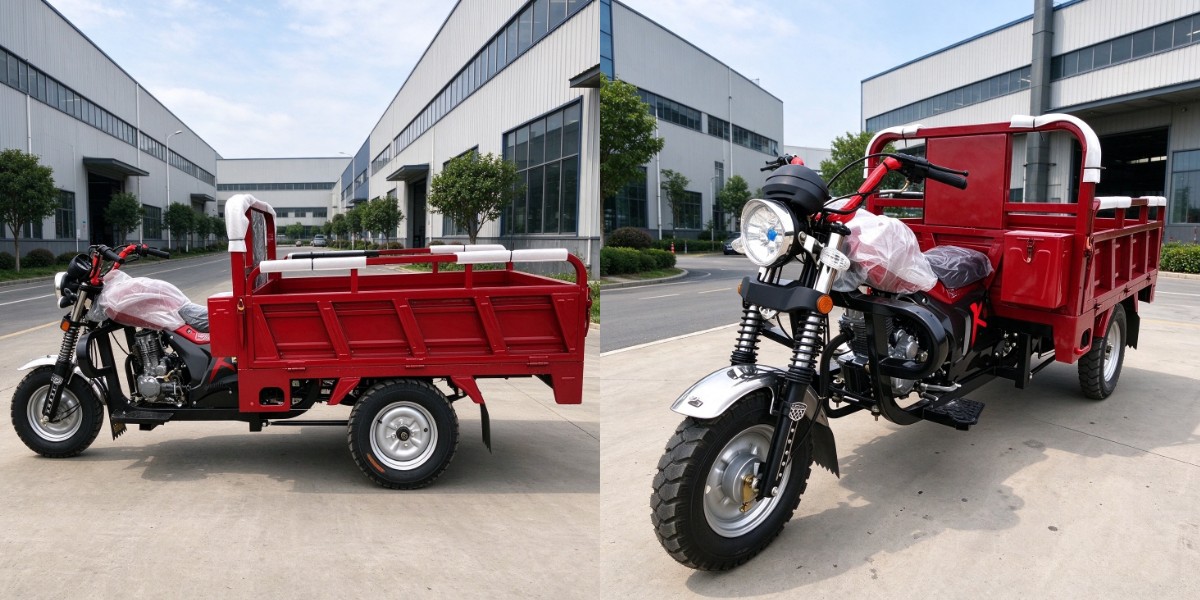
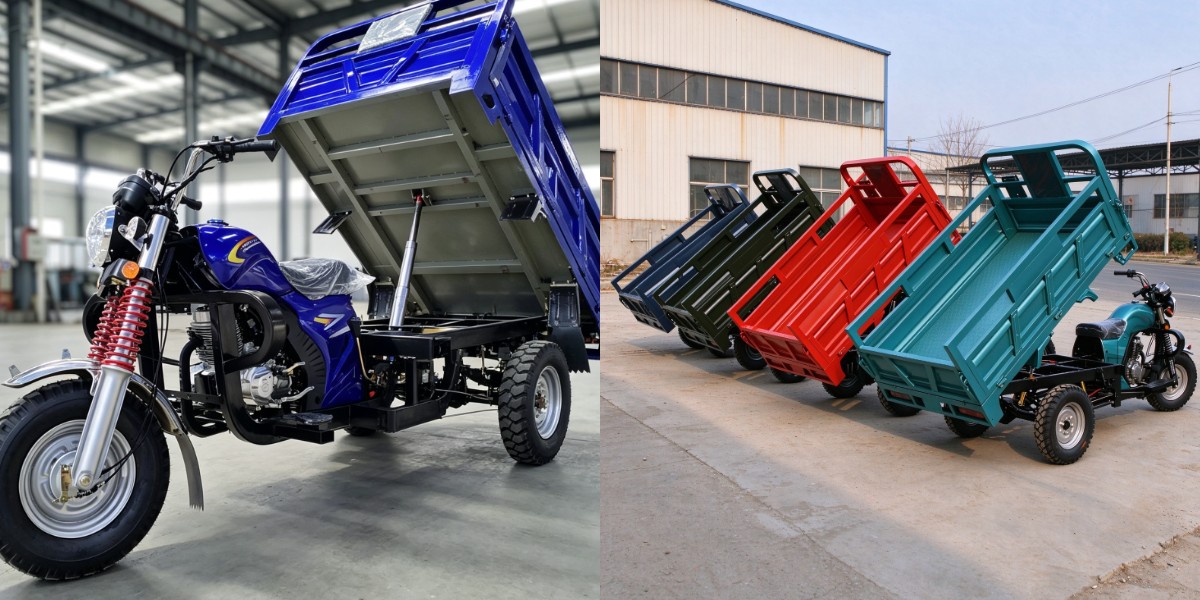
The strongest argument for three wheels is geometric. A narrow body and tight turning radius let a petrol cargo trike slip into alleyways, markets, old town streets, and loading zones a van must skirt around. A high-low gear lever adds torque for rough lanes and a fast setting for open roads, while the light chassis keeps steering easy.
It can pull up right at a warehouse door or shop entrance, cutting the walk to the counter to a few steps. Loading height helps too: the flat deck sits low enough for one worker to lift crates by hand, with no forklift or tail lift.
A bakery serves six cafes; a hardware seller moves boxes to a site; a vendor restocks two stalls. Each load matches one trip, and a 150cc cargo tricycle is sized for that one-vehicle, one-order rhythm. A half-empty truck wastes fuel and curb space, whereas a cargo tricycle carries a real load without the bulk.
Simple Maintenance, Low Operator Demands
For a small operator, reliability means how quickly a vehicle returns to work after a failure. The gas powered cargo tricycle is simple, and commonly replaced parts are standardized across models. In county towns, a local shop can usually fix a petrol cargo trike the same day, avoiding long waits for import parts.
Petrol stations are dense in most regions, so a gasoline tricycle can handle a route from a village depot to a distant township market without the range anxiety or charging puzzles of electric alternatives. Long rural routes and rough roads are all in a day's work. Driving needs no professional chauffeur; the owner or a family member can manage it after brief familiarization, keeping labor costs predictable.
A Sensible Choice Within Clear Boundaries
The evidence points to a narrow but genuine superiority: in last-mile transport with short distances, small batches, and complicated roads, a gas powered cargo tricycle beats a four-wheeled truck on value and adaptability. For daily shop rounds, a cargo tricycle avoids a larger chassis's overhead; a petrol cargo trike can pull up where a van cannot, which is why these machines hold their place in wholesale, construction, agriculture, and courier work.
The limits are clear: not built for long hauls, heavy payloads, or highways, and a poor fit for districts with emission rules or urban restrictions. It is a specialized tool, not a universal van replacement.
Examine your cargo volume and routes before committing. If your work is local, frequent, and modest, the three-wheeled option deserves a serious look; if not, a conventional vehicle may still be better. Choosing on evidence, not imitation, turns a practical machine into a profitable one.