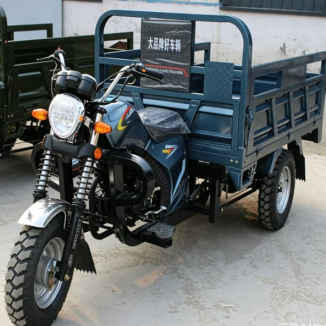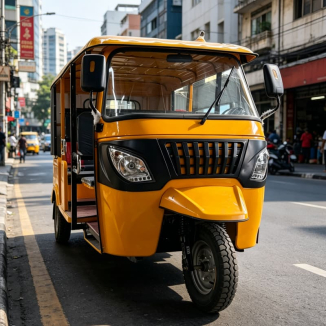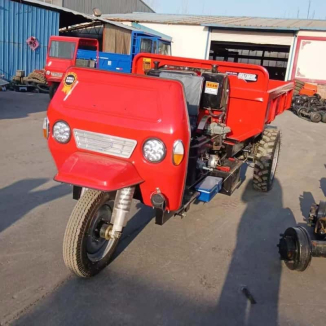

What is a tuk tuk?
Ever daydreamed about Southeast Asia’s streets? That rumbly, unmissable buzz of a tuk tuk’s probably the first sound that pops into your head. But let me tell you—this little three-wheeler’s way more than just a ride. It’s like a piece of local life on wheels, y’know? Travelers love ’em for a reason, and honestly? They’re proof that simple designs win. Heading to Bangkok, Lisbon, or Jaipur? Getting the lowdown on tuk tuks isn’t just fun—it’ll make your trip feel real, not just touristy. Let’s chat about what makes these things so special, from a few angles you might not have considered.
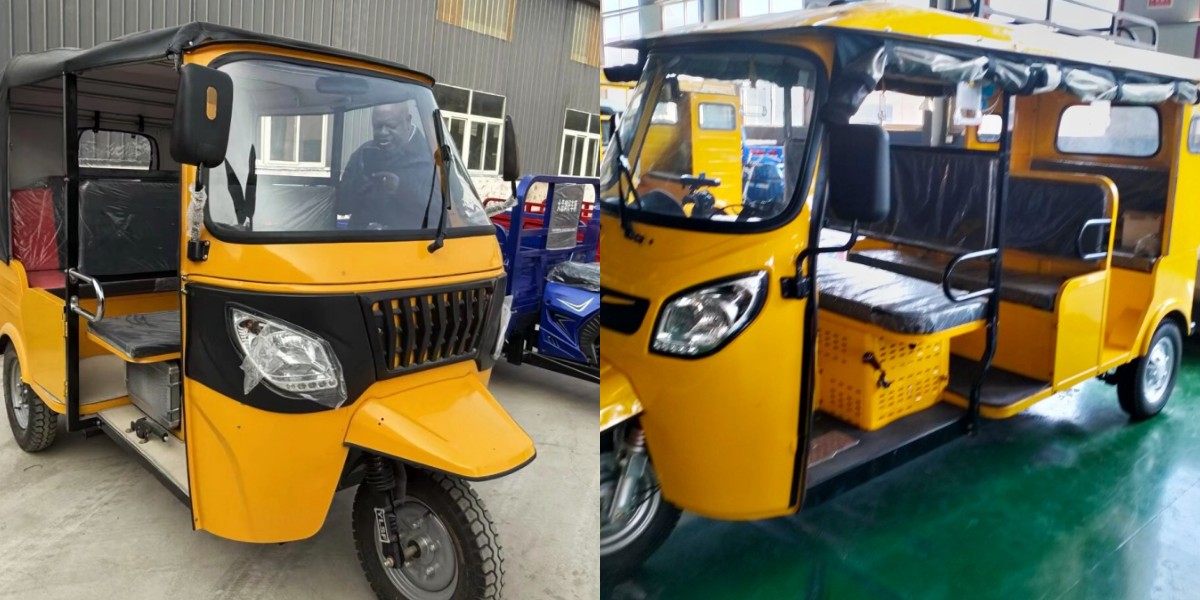
1. Tuk Tuks Worldwide—Every Country Makes ’Em Their Own
Thailand’s bright, neon tuk tuks are the most famous, sure. But these things aren’t the same anywhere. Every country tweaks ’em to fit their streets, their needs, their vibe. Once you start looking, it’s actually pretty cool how different they get.
Take Cambodia. Their traditional ones are called “moto-remork”—basically a Honda motorcycle with a two-wheeled cart bolted on the back. Benches face each other, so you can cram 4, even 6 people in. Lately, though, more Indian-made autorickshaws are taking over. Laos and the Philippines? Their rickshaw are more like sidecars—one little bench stuck to a motorcycle. Perfect for small groups, not too cramped.
Europe’s jumped on the tuk tuk train too, but with a modern twist—electric ones. Lisbon, Geneva, Paris? All have electric tuk tuks for sightseeing. Perfect for those tiny cobblestone streets, historic neighborhoods where big buses can’t fit. Even the US, places like SF, do private tuk tuk tours. Great for seeing landmarks without the parking hassle or crowds. Crazy to think a post-war Italian workhorse made its way to so many places, right?
No matter what they look like, all tuk tuks have one big plus: they’re small enough to zip through traffic, squeeze down narrow alleys. Buses and taxis get stuck, but tuk tuks? They weave right through. That’s why they’re perfect for short trips around busy cities—get you where you need to go, no fuss, no delay.
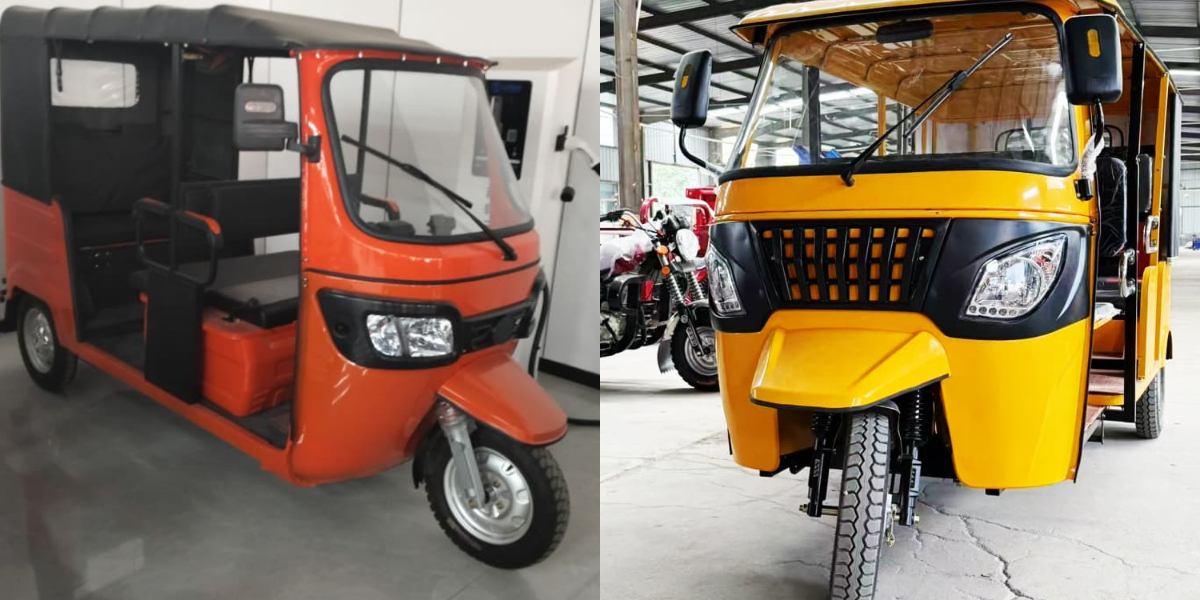
2. Why You Gotta Take a Tuk Tuk When Traveling—It’s Not Just a Ride
Here’s the thing about 3 wheeler electric auto rickshaws: taking one’s not just about A to B. It’s a way to dive into local life—way more real than any guided bus tour. On the fence? Let me give you a few reasons you absolutely should hop on one.
First off, it’s a full sensory overload—in the best way. Most tuk tuks are open-air, or have removable canopies, so you’re not cooped up. Smell that? Street food stalls cooking pad thai, green curry, whatever’s local and delicious. Hear the vendors shouting, motorbikes beeping, people chatting in the local language. Feel the wind in your hair as you weave through traffic. Those are the memories that stick, y’know? The ones you talk about long after the trip. I remember taking a tuk tuk from Khao San Road to the Grand Palace in Bangkok. Driver pulled over at this tiny street food cart—no signs, just a guy with a cart. Mango sticky rice there? Best I had the entire time in Thailand. You’d never find that spot in a guidebook.
Second, tuk tuk drivers are total insiders. They know all the hidden spots—temples without the tourist crowds, family-run restaurants where locals eat, little shortcuts that save you time. I’ve met so many travelers who struck up a chat with their driver and left with the best recommendations. One group I talked to in northern Thailand? They stopped for coffee with their driver, and he invited ’em to meet his biker friends at a local clubhouse. Hung out there for hours, drank beer, listened to stories. That’s the kind of travel moment you can’t plan. Only happens when you’re in a tuk tuk.
And finally, they’re super flexible. Buses have fixed routes, tours run on strict schedules. But tuk tuks? Say “stop here!” whenever something catches your eye. Colorful market? Pull over. Beautiful temple? Let’s check it out. Viewpoint with a great view? Why not? A lot of tour companies do custom tuk tuk trips now too—full-day temple tours in Jaipur, evening food tours in Bangkok. Tailor it to exactly what you wanna do. No rigid plans, no stress.
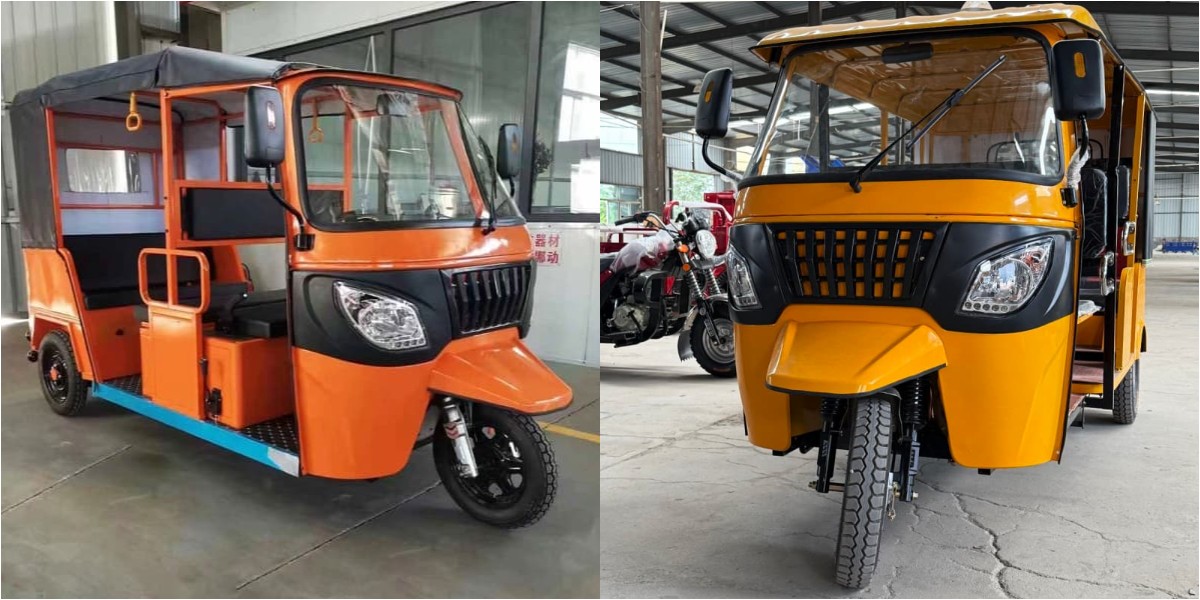
3.Tips for a Good Tuk Tuk Ride
Like I said, I’ve taken my fair share of auto rickshaw over the years. Here are a few tips to make sure your ride’s great, not a hassle. First: always agree on price before getting in. No exceptions. Short trips in Thailand? Usually 50-80 Thai baht—around $1.50 to $2.50. Don’t agree first, and you might get overcharged. Second: steer clear of drivers offering “free tours.” They almost always take you to tourist traps, shops where you’re pressured to buy stuff. Not worth the “free” ride. Third: if you’re in Southeast Asia, bring a hat and sunscreen—it’s hot out there! Dry season? A mask helps with the dust. And if you care about the environment? Look for electric tuk tuk tours. More cities are offering ’em now—quieter, and better for the planet than the old ones.
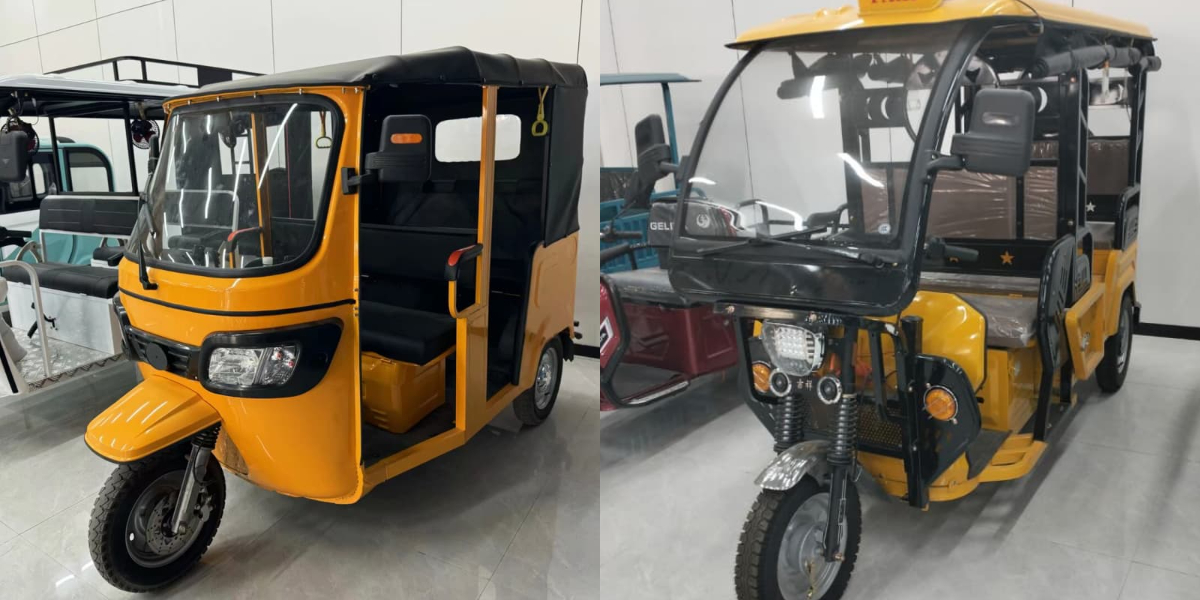
So back to the original question: What is a tuk tuk? A vehicle with a surprising history—started in Italy, spread worldwide, each country putting their own spin on it. But more than that? It’s a way to turn a boring commute into one of the best parts of your trip. Wandering Bangkok’s streets, weaving through Lisbon’s cobblestones, exploring Jaipur’s markets? A tuk tuk ride’s a must. It’s the closest you’ll get to feeling like a local, even if just for an hour or two.
Ready to add a tuk tuk ride to your travel plans? Just search for “tuk tuk tours in [your destination]” to find local operators. Trust me—this’ll be a trip highlight you won’t forget.