

150 tuk-tuks were shipped to Ghana today!
Case Overview
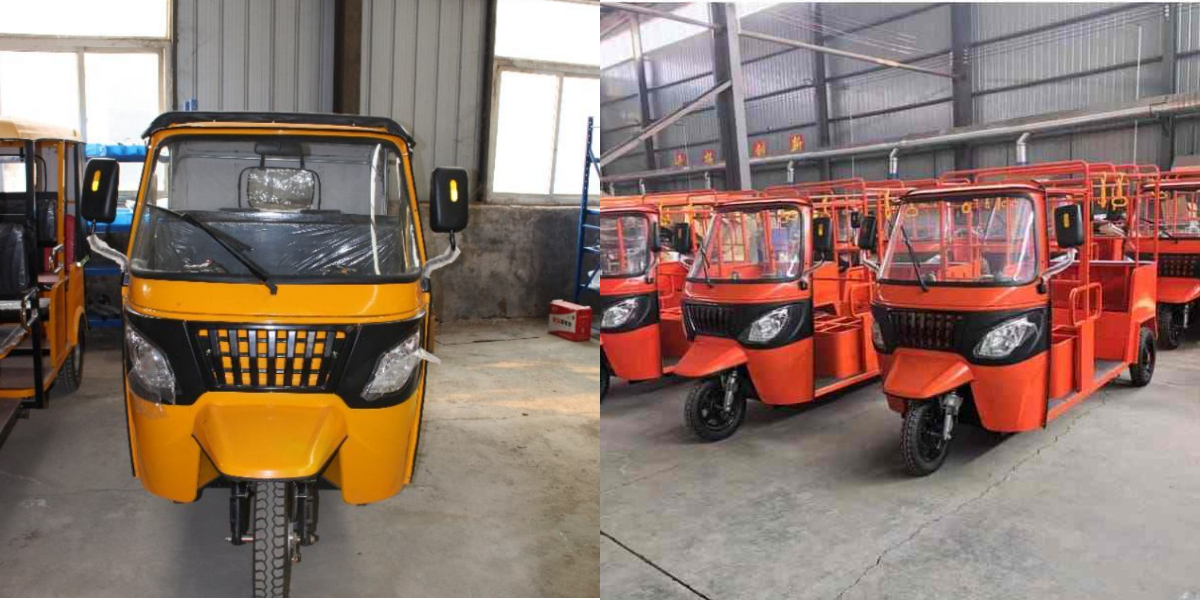
A Ghanaian transport company based in Accra, specializing in intercity and rural passenger/cargo services, aimed to expand its fleet with 150 durable auto rickshaws. To ensure the vehicles fit Ghana’s unique road conditions—from Accra’s bustling downtown traffic to the unpaved rural roads of the Ashanti Region—we conducted targeted performance tests prior to shipment. This case outlines how on-site verification and tailored vehicle adjustments led to successful cooperation, with the first batch of rickshaws dispatched to Tema Port today for delivery to Ghana.

Customer Demand & Performance Requirements:
The Ghanaian customer, which operates routes covering Accra, Kumasi, and surrounding rural areas, required 3-wheeler autos with:
Superior fuel efficiency (to cope with Ghana’s fluctuating fuel prices and reduce driver operational costs).
Strong load-bearing capacity (for mixed passenger-cargo use, common in Ghana’s rural areas).
Rust-resistant build (to withstand Ghana’s humid tropical climate and seasonal rains).
Easy maintenance (to suit local repair workshops with limited specialized tools).

Pre-Shipment Performance Verification & Vehicle Tuning:
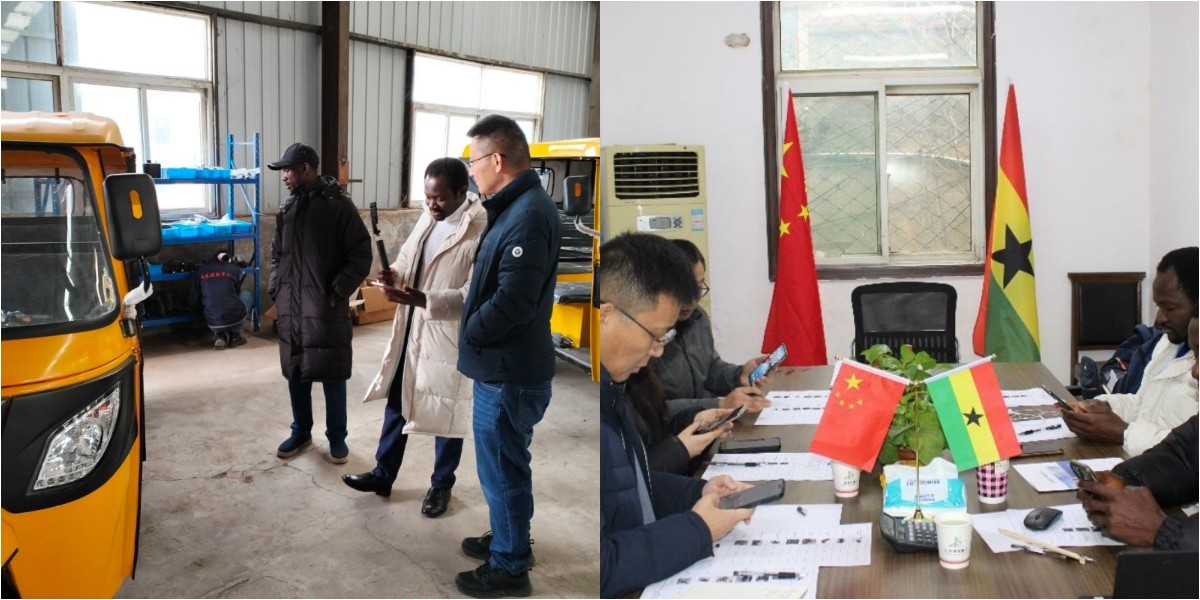
Scenario-Based Test Design: We replicated Ghana’s typical road conditions at our test ground, including simulated Accra downtown traffic jams, gravel roads mimicking rural Kumasi routes, and steep slopes to test load capacity. The customer’s technical team and 3 senior drivers flew to our factory to participate in the verification process.
Test Items & Customized Adjustments:
Fuel Efficiency Test: The 110cc gasoline engine achieved 34 km/liter in urban simulation and 38 km/liter on rural road tests—surpassing the customer’s target of 30 km/liter. We also optimized the carburetor to adapt to Ghana’s local gasoline quality, ensuring consistent efficiency.
Load-Bearing & Durability Test: The reinforced steel frame (1.2mm thick) successfully carried a 350kg load (equivalent to 4 passengers + 50kg cargo) on gravel roads without deformation. We added anti-rust electrophoresis coating to all metal parts, doubling resistance to humid weather compared to standard models.
Maneuverability & Maintenance Test: The vehicle’s compact design (2160×1150×1680mm) easily navigated narrow lanes simulating Accra’s old town. We simplified the engine structure, replacing complex components with universal parts that are readily available in Ghana’s local markets—reducing maintenance difficulty for local workshops.
Customer Outcome & Feedback:
“These rickshaws are made for Ghana’s roads—we tested them in every scenario we operate in, and they performed better than we expected,” said Mr. Kofi Addo, Operations Director of the Ghanaian transport company. “The fuel efficiency will save our drivers money every day, and the rust-resistant design is a game-changer for our rainy season operations. The simplified maintenance means we won’t have to wait for imported parts to fix issues. We’re ready to receive the shipment and put these vehicles into service immediately.”The customer confirmed the full payment upon witnessing the test results, and the 150 units were loaded onto the cargo ship at Tema Port this morning, with an estimated arrival time of 28 days.
Why Choose Our Rickshaws for Ghana’s Market?
Customized tuning for Ghana’s tropical climate, diverse road conditions, and local fuel/maintenance resources.
Transparent pre-shipment testing with customer participation, ensuring vehicles meet on-the-ground needs.
Fuel-efficient and durable design, optimized for Ghana’s mixed passenger-cargo transport model.
End-to-end support, including CKD kit options (for local assembly) and spare parts supply in Accra.