
Why Gas-Powered Tricycles Are Becoming Popular For Small Construction Site Logistics
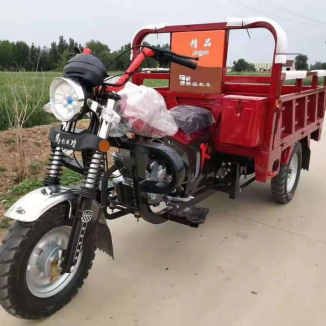
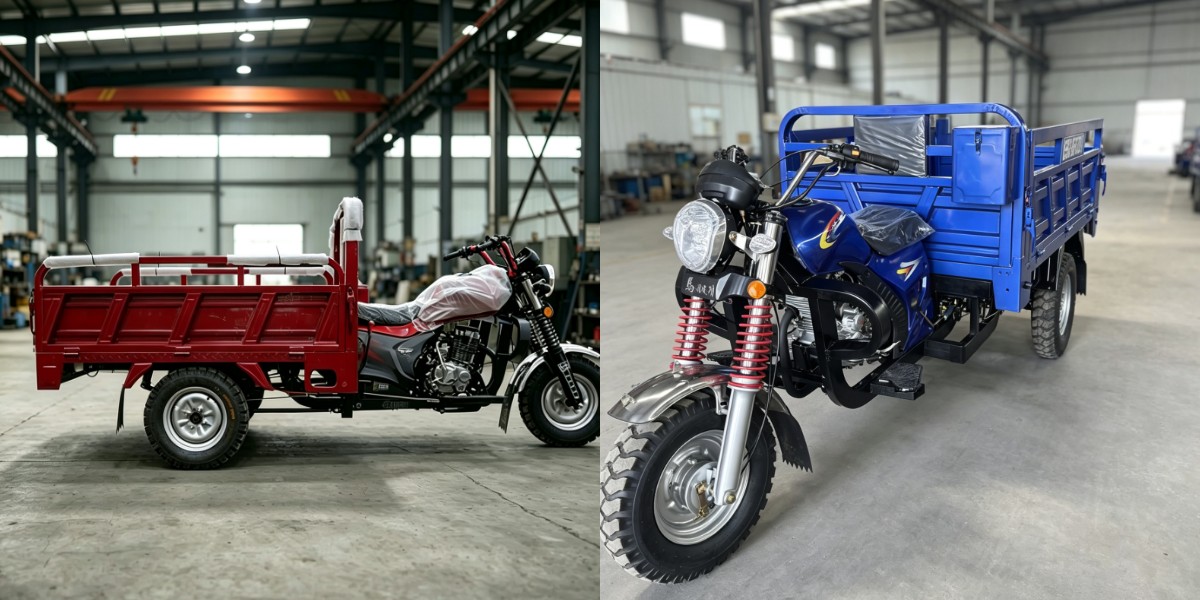
Logistics on a small job site is a constant battle. Big delivery trucks can't get through the gate. They block the street. So what happens? Your crew is stuck hand-unloading everything. It wastes time and burns payroll. That's why you're seeing a heavy loading gasoline tricycle on almost every site now. A compact gas tricycle just slips past narrow spots. Honestly, buying a reliable transport tricycle is the easiest way to stop losing money on manual labor.
The Labor Problem: Hydraulic Dumping vs. Manual Shoveling
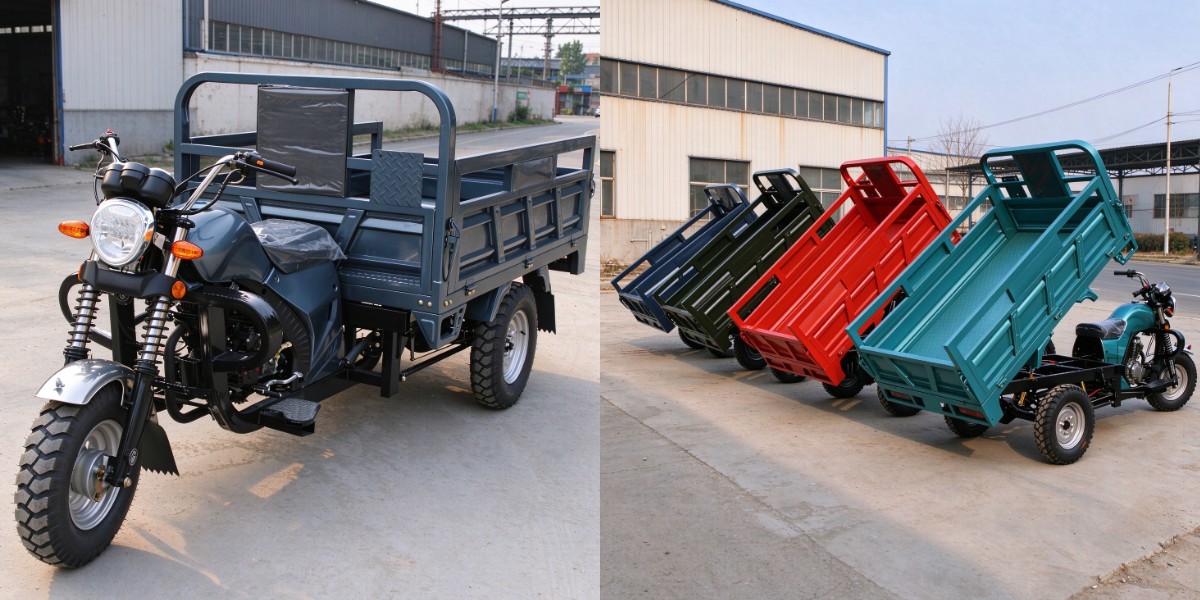
Unloading is a back-breaker. Hauling a bed of sand is one thing. But shoveling it all out by hand? That takes hours. Plus, it's a workers' comp claim just waiting to happen.
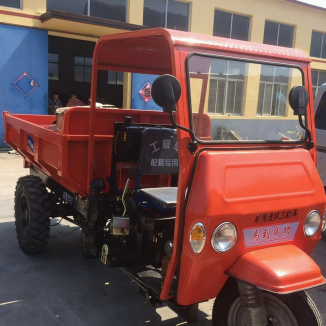
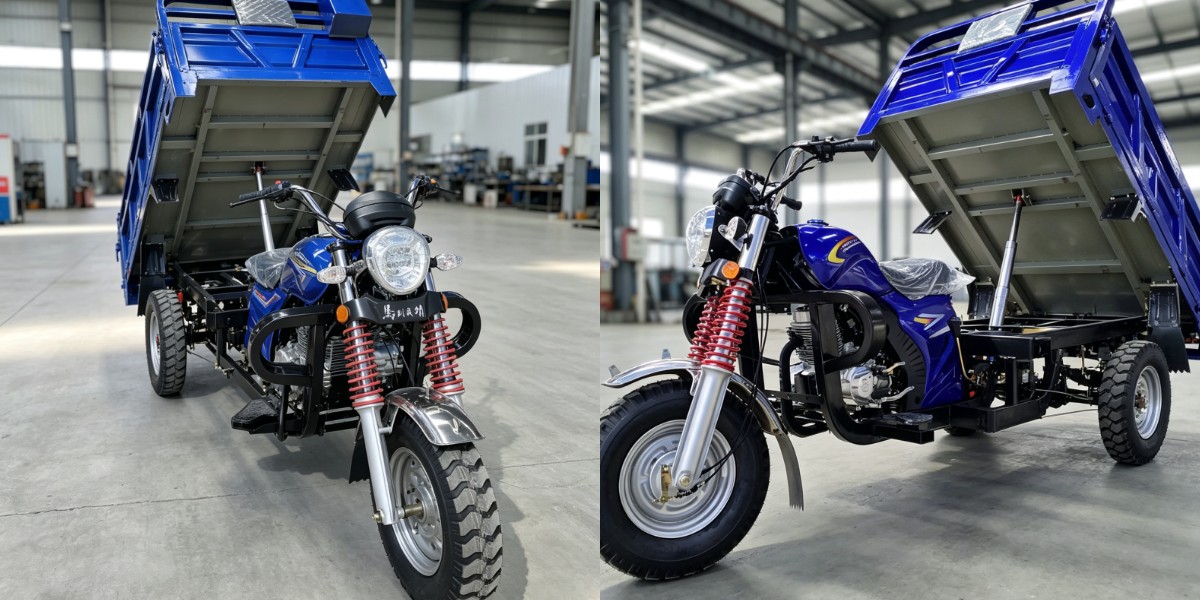
Enter the dump cargo motor tricycle. You push a lever. The hydraulic bed tilts. The whole load dumps out right there. No shovels. No aching backs. On top of that, a freight tricycle built for this kind of work will climb muddy hills to dump in tight spots a big truck could never reach.
The Surface Protection Issue: Preserving Client Property
Ever ruined a fresh driveway with a skid steer? It's a nightmare. Concrete cracks. Lawns get deep ruts. Repair bills come right out of your pocket.
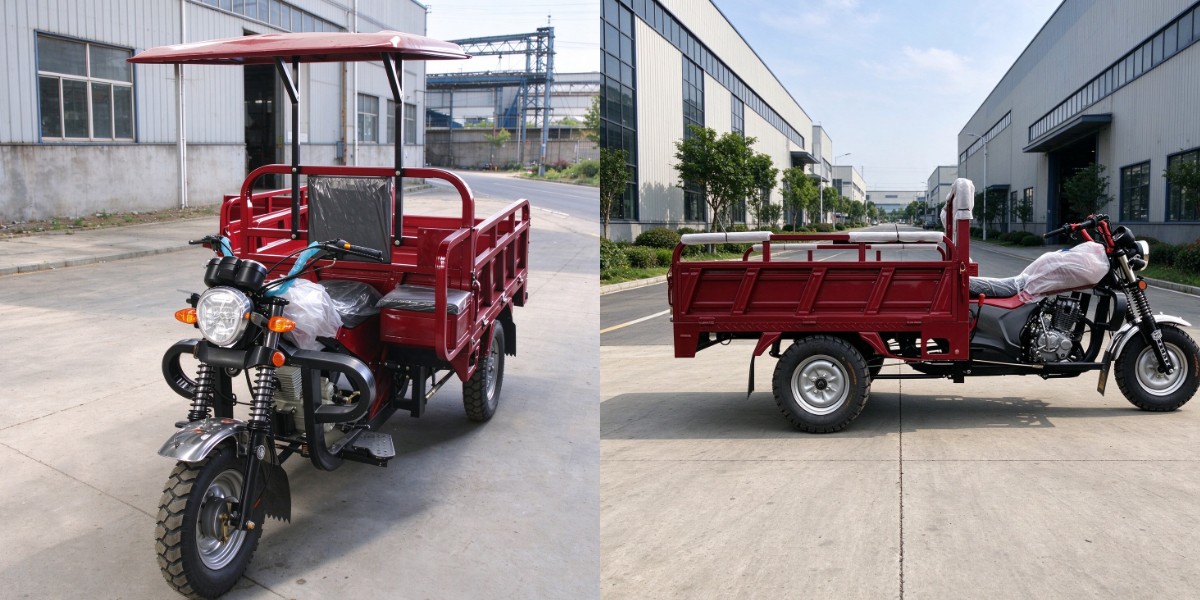
A motorized cargo tricycle sidesteps that whole problem. It's light. The tires spread the weight out so it doesn't crush the ground. The freight tricycle rolls right over pavers, brick paths, and turf without leaving a mark. No cracked concrete. No angry clients.
The Versatility Edge: One Asset Across Every Project Phase
Early morning concrete pours or late-night cleanups? The energy-efficient LED lights keep you working when the sun goes down. You need a machine that works all day, not just one morning. A heavy loading gasoline tricycle is a workhorse.
Tearing down an old deck? It hauls the concrete and debris. Building the frame? It becomes a solid freight tricycle for moving mortar, rebar, and tools. Got a weird, tight site? The factory can customize the body specs. It uses a standard manual transmission with a high/low gear selector, giving you the low-end torque to crawl heavy loads up a ramp, or the speed to zip across the site. The gas engine provides plenty of reliable power. The steering is feather-light and the throttle is snappy. Anybody on the crew can get the hang of it fast.
The Financial Edge: Downtime and Maintenance Costs
Downtime kills your margins. Electric trucks need hours to charge. A gas tricycle? You just fill the tank. It's got around 100 kilometers of range on a single fill, and a top speed of under 60 km/h, which is perfect for tight, slow-moving job sites. No waiting around. No dead batteries.
Maintenance is dirt cheap, too. The engine on a dump cargo motor tricycle is old-school and proven. Local mechanics know how to fix them. Just check the tire pressure, brake fluid, and engine oil. Keep it simple and it stays on the road.
The Bottom Line: A Practical Investment
If a dump truck can't fit through the gate, it's useless. That's just the reality.
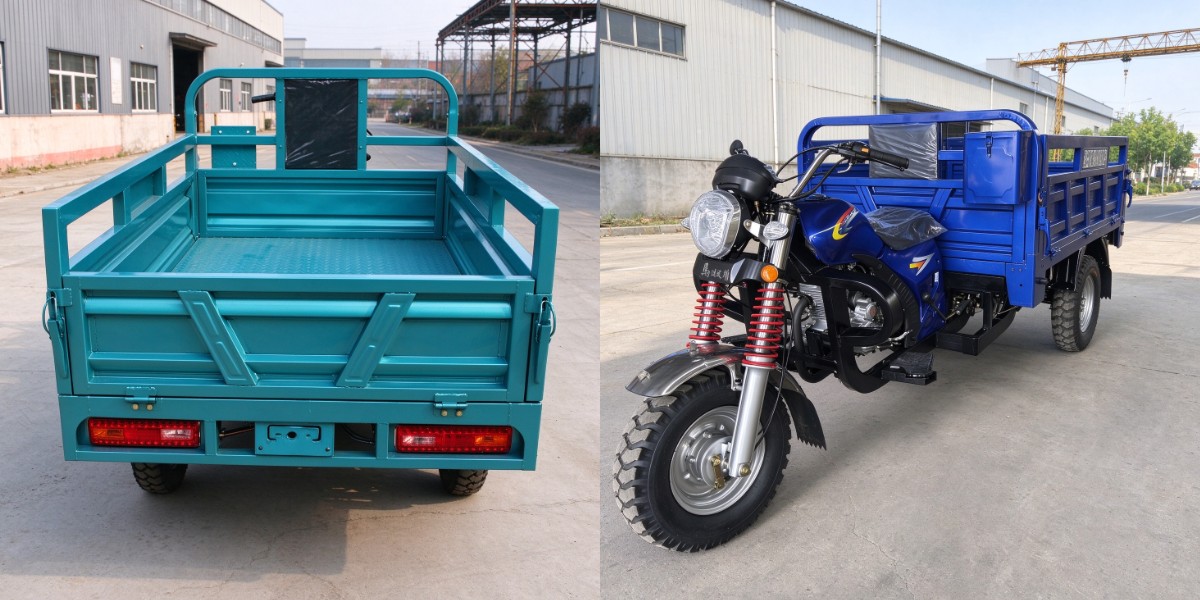
A heavy loading gasoline tricycle gives you truck-like hauling with bike-like agility. You cut labor costs and save the landscaping. If you're tired of logistical bottlenecks, do yourself a favor. Get a motorized cargo tricycle or a freight tricycle. Your crew will thank you.