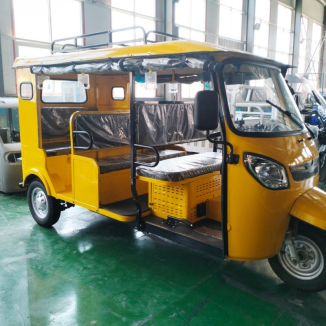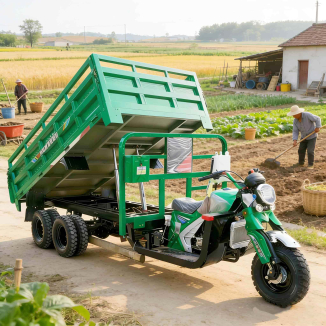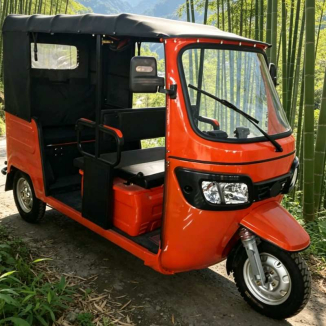

What is the difference between diesel and petrol three-wheelers?
Ever been stuck choosing between a diesel and petrol three-wheeler? Whether you’re running errands, hauling small goods, or putting in full work hours, most folks just check fuel prices and call 3 wheels dump truck a day—total waste of money. These two aren’t just different fuel types; they’re built for totally different lives. Pick the wrong one, and you’ll be stuck with constant repairs, empty pockets, and endless headaches. No fancy talk, no mechanic jargon—just the real, street-level differences that matter to anyone actually driving these rigs.
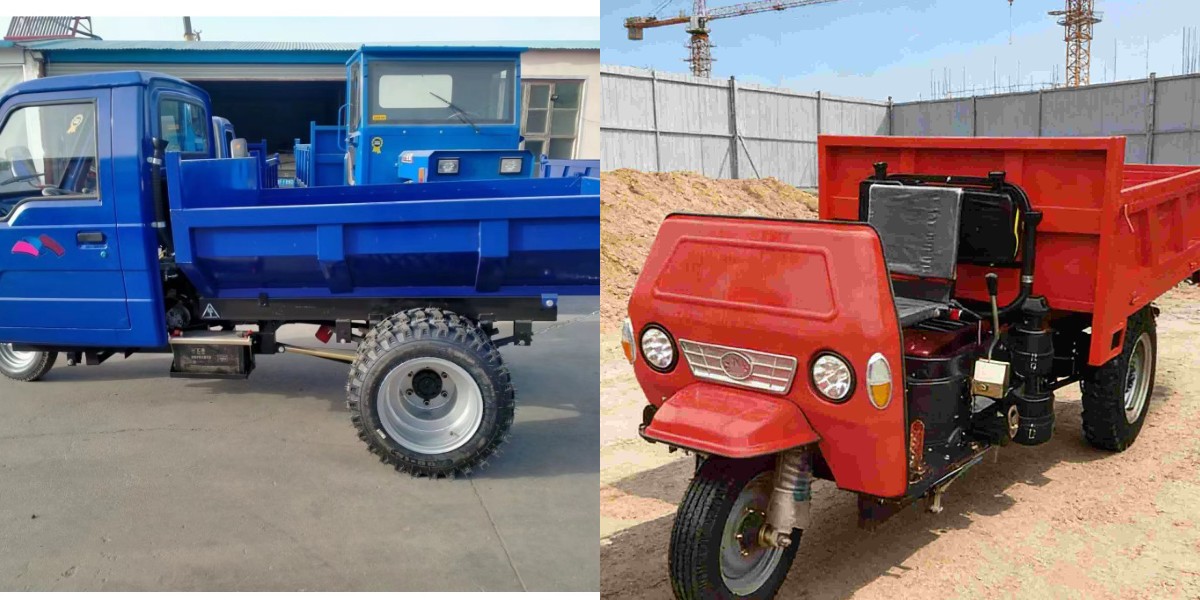
Engine Feel: Petrol Zips, Diesel Pulls
You don’t need to fix diesel mini dumper engines to tell these apart—you’ll feel it the second you press the pedal.
Petrol three-wheelers are quiet and smooth, plain and simple. Great for quick passenger trips or dropping off small packages. But here’s the hard truth: pile on heavy stuff, pack in extra people, or hit a hill, and it dies on power fast. This isn’t a work truck—it’s a quick runabout for light, easy days.
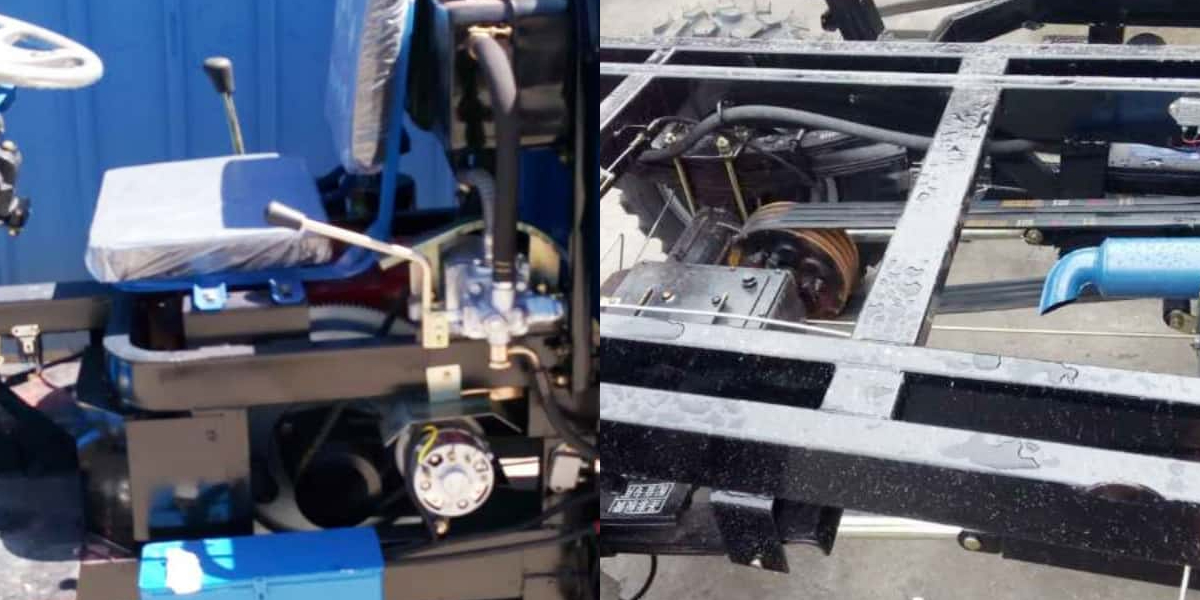
Diesel three-wheelers are the tough ones that don’t quit. Heavy cargo, bumpy backroads, all-day full loads? It doesn’t care. Power stays steady no matter what you throw at it. Only downside? A little louder than petrol, and it won’t hit high speeds as quick.
Costs: Cheap Now vs. Saving Big Later
If you’re using this diesel cargo tricycle to make money, daily costs beat upfront price every time. Here’s the real deal, no fluff.
Petrol three-wheelers are cheaper to buy off the lot, no question. Basic fixes are cheap and simple, no fancy emission parts to stress about. Starts fast on cold mornings, too. But the catch hurts: petrol costs more per liter, and mileage is way worse—20-30% lower than diesel. Drive 8+ hours a day? Those fuel bills will eat your profits alive.
Diesel three-wheelers cost a bit more upfront, but you’ll make that money back fast. Mileage blows petrol out of the water: 25-35 km per liter, vs. 18-25 km/L for petrol. Diesel’s usually cheaper per liter, too, and a well-looked-after diesel engine lasts way longer—30-40% more life. Emission parts cost a little more to maintain, but fuel savings cover that in under a year for full-time drivers. Every pro commercial driver picks diesel for a reason.
Daily Use & Life: Easy Ride vs. Built Tough
It’s not just power and cash—how three wheel diesel vehicle feels to drive every day, and how long it sticks around, makes all the difference.
Petrol three-wheelers are light, low-shake, and easy for new drivers to handle. Fewer emissions, so it fits tight city rules. But it can’t handle abuse: nonstop driving, constant overloading, or pushing it too hard will wear the engine out fast. Great for part-time use, not grinding all day every day.
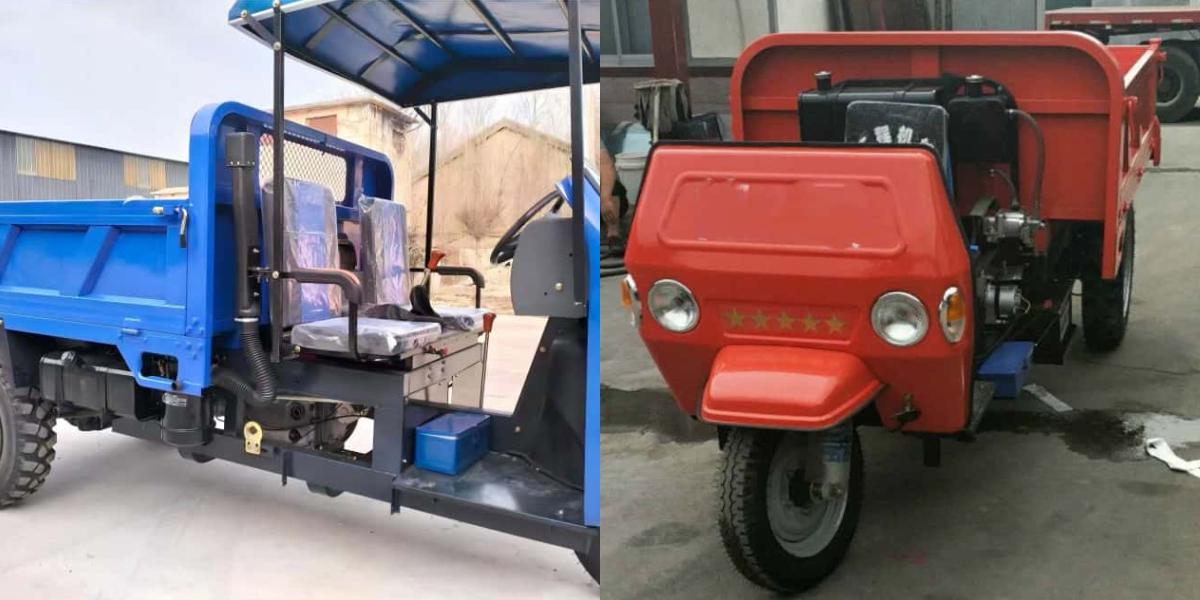
Diesel three-wheelers are built solid from the frame up, with heavy-duty parts that take constant beating. Run it 8-10 hours a day for years, no major breakdowns—perfect for delivery fleets, rural runs, or busy passenger routes. Resale value is way better, too, since everyone knows diesel rigs last. Small downsides: a little more vibration, and some cities need stricter emission checks.
In summary
No charts, no confusing numbers—straight talk for your daily grind:
Petrol fits you if: Short trips only, light loads/passengers, you want cheaper upfront cost, and you hate loud engines.
Diesel fits you if: Full-time work, regular heavy loads, lots of daily miles, and you want to save big on fuel long-term.
At the end of the day, the best three-wheeler is the one that fits your routine, not the flashiest ad. Ignore the generic sales talk, think about how you actually use this rig, and you’ll pick the one that keeps cash in your pocket and headaches away.
Got more questions? Wondering if diesel’s worth the extra cash for part-time use? Need quick maintenance tips for your rig? Stick around for our no-nonsense three-wheeler guide—we’re laying out everything you need to choose right.