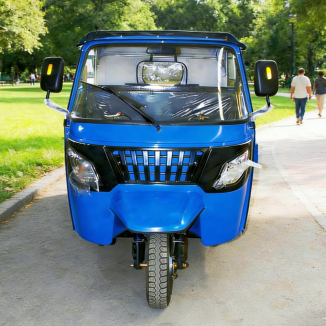

The Ultimate Guide: Air Cooled vs Water Cooled Engines for Gas Cargo Tricycles
Walk into any dealership, and the spec sheets for a gas tricycle will make your head spin. But the real decision for your next workhorse is simpler than you think. It all comes down to how the engine handles heat. Should your hydraulic cargo tricycle run a basic air-cooled block, or a water-cooled system? Get this wrong, and your motor tricycle will quit on you halfway up a hill. Before you drop your hard-earned cash on a commercial gasoline cargo tricycle, here is the honest, no-nonsense breakdown.
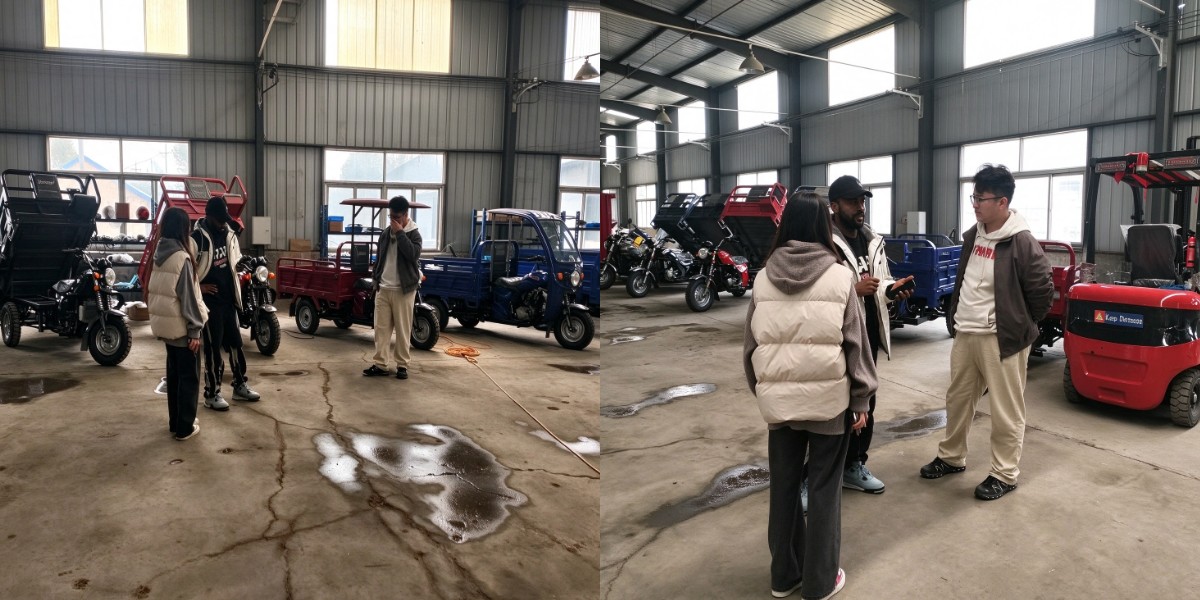
Air-Cooled: Simple, Cheap, But Know the Limits
Let's talk about the basics first. An air-cooled three wheeler tricycle relies entirely on airflow to cool the engine block. Some use the natural wind as you drive. Others bolt on a fan to force air through the fins.
Why do people buy them? Simple. They are cheap to fix. No radiator. No water pump. No hoses to burst in the middle of nowhere. Less weight, lower sticker price. For short local trips in mild weather, a standard motor tricycle with an air-cooled engine is a solid, reliable choice.
But there is a hard limit. Haul a massive load up a steep hill on a 40-degree summer day, and air cooling struggles. The engine gets heat-soaked. You lose power. Keep pushing it, and you will warp the cylinder head. It is great for light duty, but you have to respect the redline of an air-cooled three wheeler tricycle.
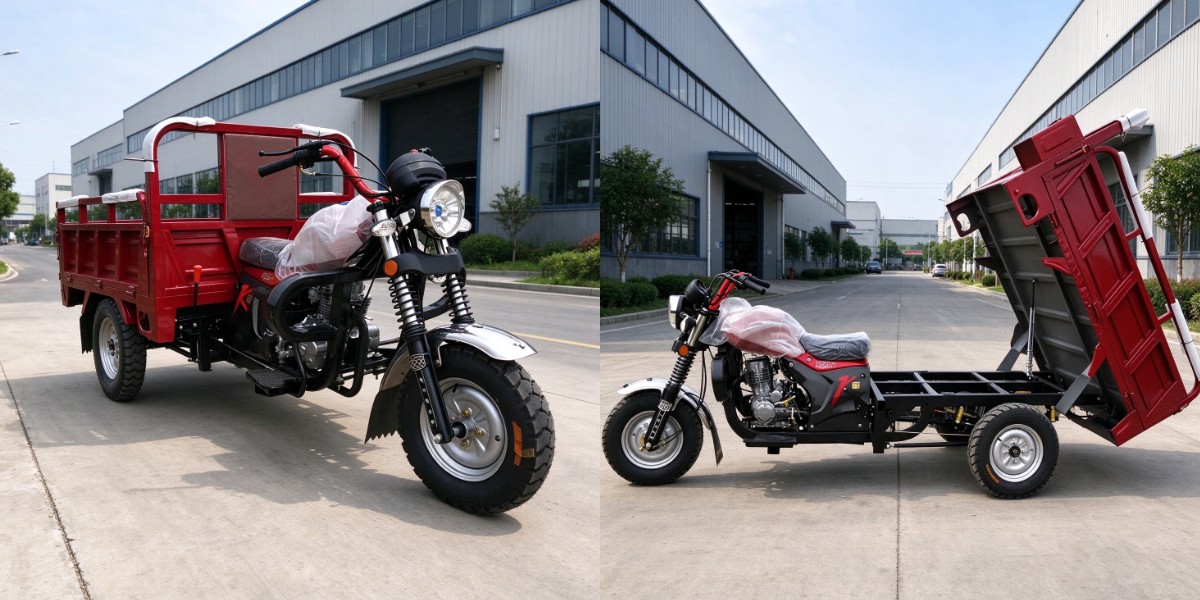
Water-Cooled: The Heavy Hauler's Best Friend
Then you've got the water-cooled side. A water-cooled gasoline tricycle uses a radiator, coolant, and a pump to lock in a stable operating temperature.
That makes a massive difference when you are working the machine hard. It keeps the engine at its optimal heat range, no matter how heavy the load is. If your gas tricycle is dragging tons of bricks across a dusty, blazing-hot jobsite all day, the water-cooled engine just keeps chugging. That steady temperature means less thermal stress, fewer breakdowns, and a much longer engine lifespan. Yes, you have to deal with hoses and coolant levels. But for continuous, heavy-duty work, the water-cooled gasoline tricycle is what you need to keep your rig moving without burning up.
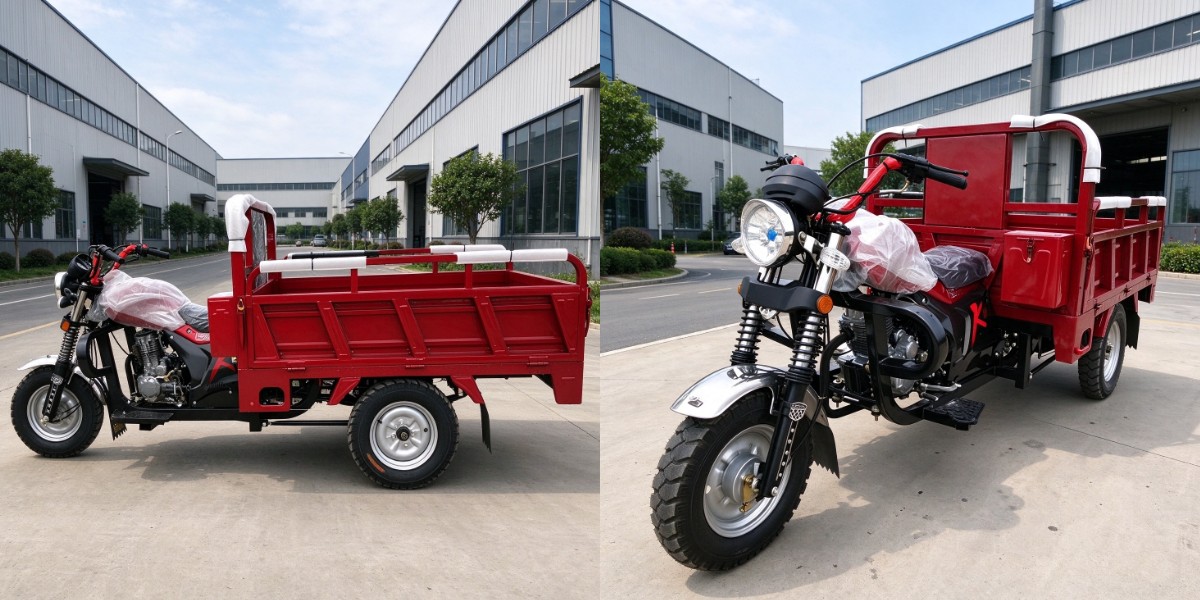
Heavy Loads Demand Liquid Cooling and Hydraulics
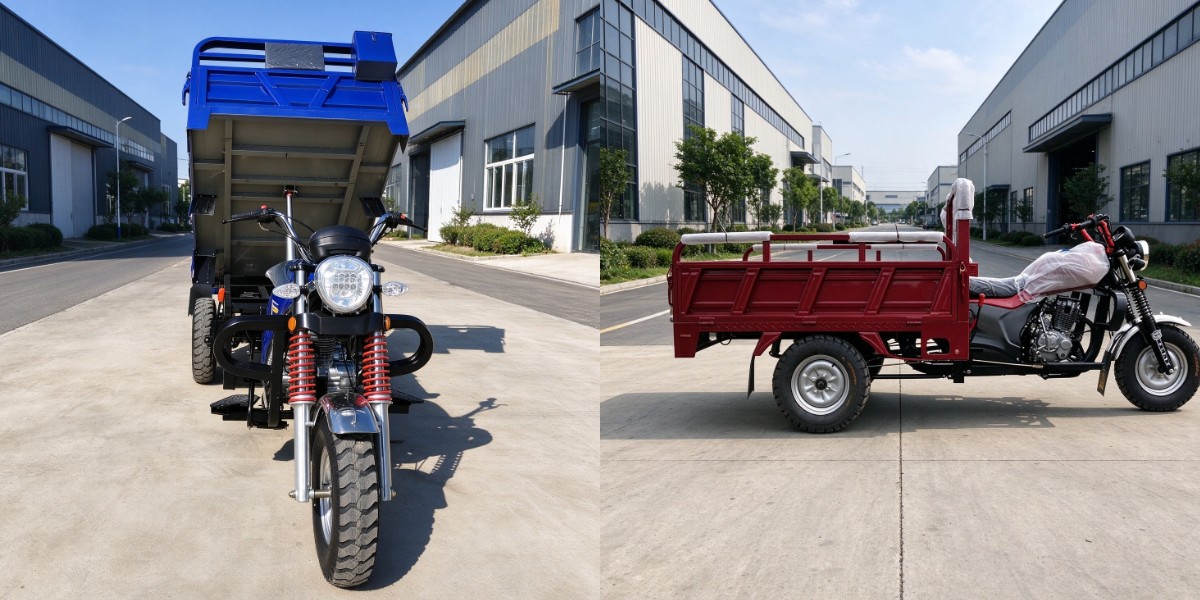
Here is where a lot of contractors mess up. A hydraulic cargo tricycle saves your back. But that dump bed adds serious curb weight. Load it to the max on a commercial gasoline cargo tricycle, and your total gross weight spikes dramatically.
That constant, heavy payload demands continuous power, which generates massive heat. In this scenario, air cooling just isn't enough. That is exactly why pairing a hydraulic cargo tricycle with a water-cooled gasoline tricycle engine is standard practice for professional fleets. If you want a heavy-duty motor tricycle that survives daily abuse, you need the liquid cooling. Don't try to cut corners here.
Which One Fits Your Business?
So, what's the verdict? Look at your daily routes.
If your roads are flat, your loads are light, and cash is tight, an air-cooled three wheeler tricycle will get the job done. It is simple and perfect for local deliveries.
But if you are running a serious construction or agricultural operation, pushing the machine to its limits in hot weather, you need the durability of a water-cooled gasoline tricycle. Add the dumping power of a hydraulic cargo tricycle, and you have a fleet that can handle anything. Stop guessing. Match the machine to the job. That is the ultimate secret to a profitable gas tricycle fleet.