
How Do Gasoline Cargo Tricycles Help Small Local Businesses With Flexible Light Haulage?
Every week we talk to people who haul goods for a living: market stall sellers, shopkeepers on the corner, couriers with stacks of parcels in the back, repair crews going job to job. Ask about work vehicles and nobody brings up specs first. They bring up the same headache. A van is too wide for the lane they need. Parking is two blocks from the drop-off. And the rutted hills out by the villages turn the drive home into a chore, even running empty.
Sound familiar?
Access Where You Need It
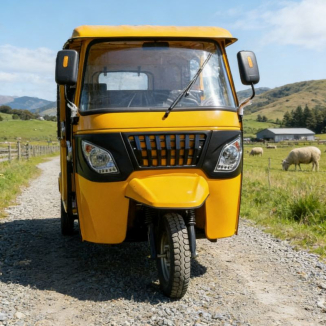
A motorized cargo tricycle answers that before it becomes a problem. It's narrow where a van is wide, it turns sharp, and it sits low enough to duck under the market awnings at six in the morning. Drivers take it down alleys a van won't attempt, up rutted farm paths, through packed lanes, right to the door.
Getting to the door matters more than people admit. When the 150cc fuel cargo tricycle stops at the entrance, nobody carries twenty kilos across a parking lot. A drop-off takes minutes instead of turning into a workout. Across a full route that's an hour back in your day, an hour of stops you can bill.
Suppliers, distributors and fleet operators keep ordering these three-wheelers, and the reason is simple. The compact frame and tight turning circle get through market corridors, farm tracks and narrow residential streets, and crews can park right at the customer's entrance instead of hauling bulky goods the last stretch. Shorter routes mean more drop-offs a day, and deliveries landing on time.
The Running Costs Don't Eat You Alive
The 150cc fuel cargo tricycle burns little fuel on light hauls, so you skip the fuel bill that comes with running big delivery trucks. Servicing is easy too. The setup is an old, proven design that has spent years in commercial work, and when a part goes, local motorbike shops stock replacements at sane prices.
Fuelling a gasoline tricycle for cargo haulage is simple: gasoline sells almost everywhere, so there's no hunting for a charge point and no planning your day around a wall socket. On a long rural run, range stops being a worry. In a small town that matters more than anything on a spec sheet, and it keeps transport costs predictable enough to budget around.
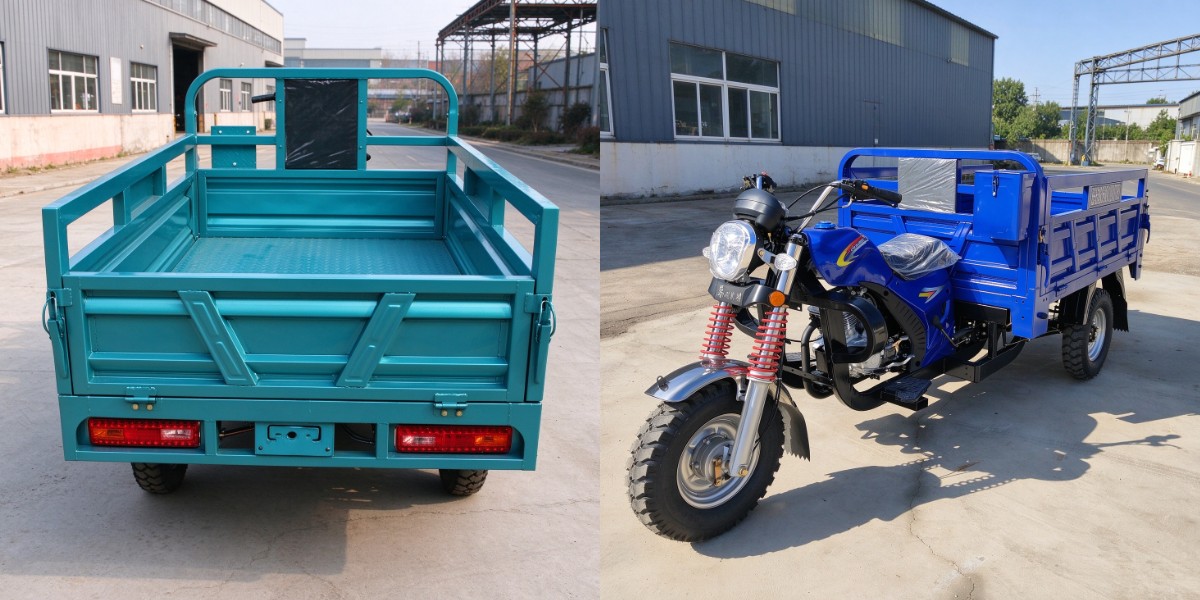
It Punches Above Its Weight
Next to a pickup it looks small. Loaded, it doesn't feel that way. Three wheels and weight mounted low give it a stable base, whether you're hauling feed bags, produce crates, hardware supplies or bundles of parcels.
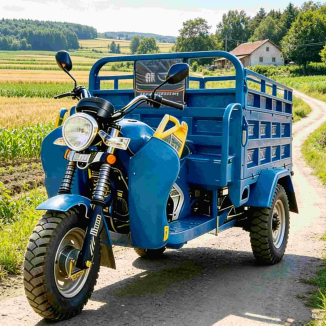
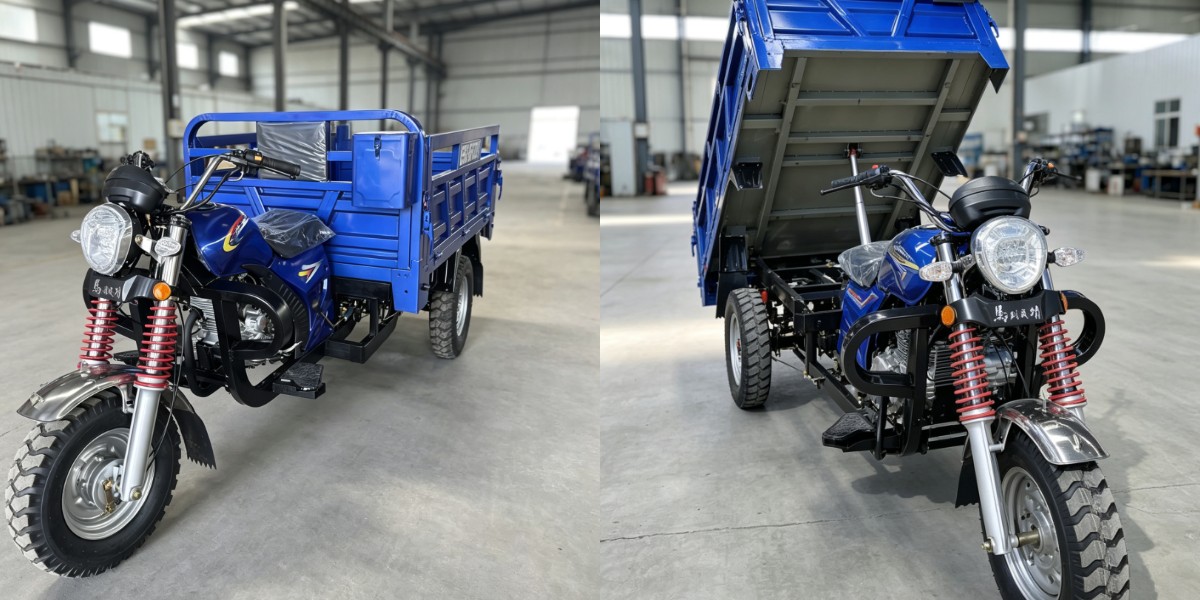
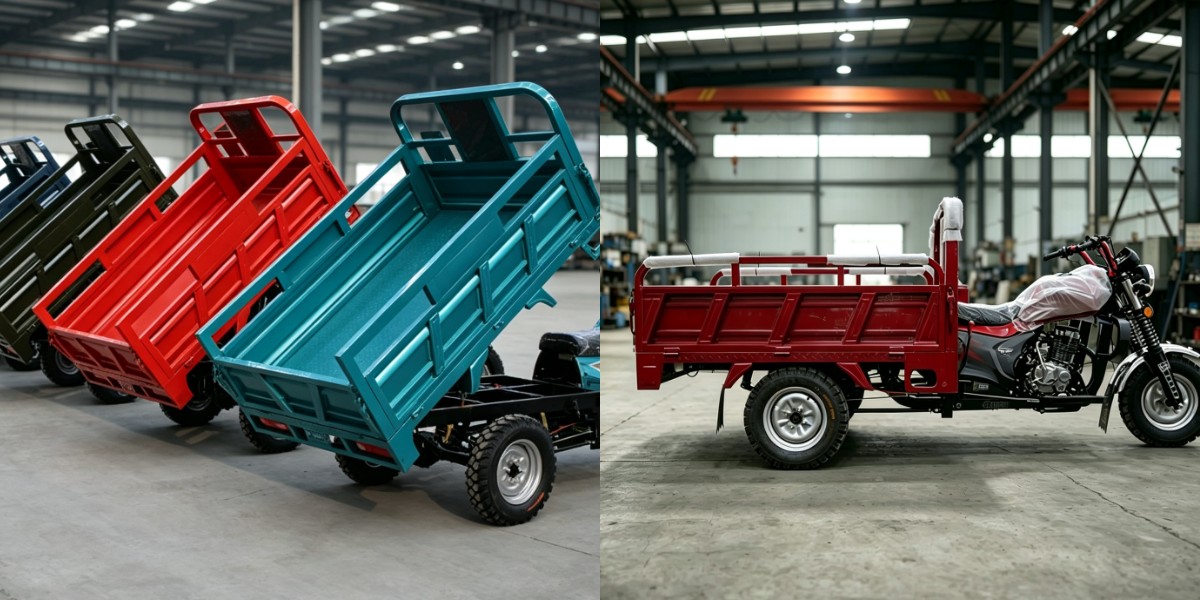
Pick the cargo body that matches how you work. An open flat deck takes big, awkward loads you slide on from the side. If the cargo needs to stay dry and untouched, the enclosed box is the one to get. Which style fits comes down to what you carry day after day.
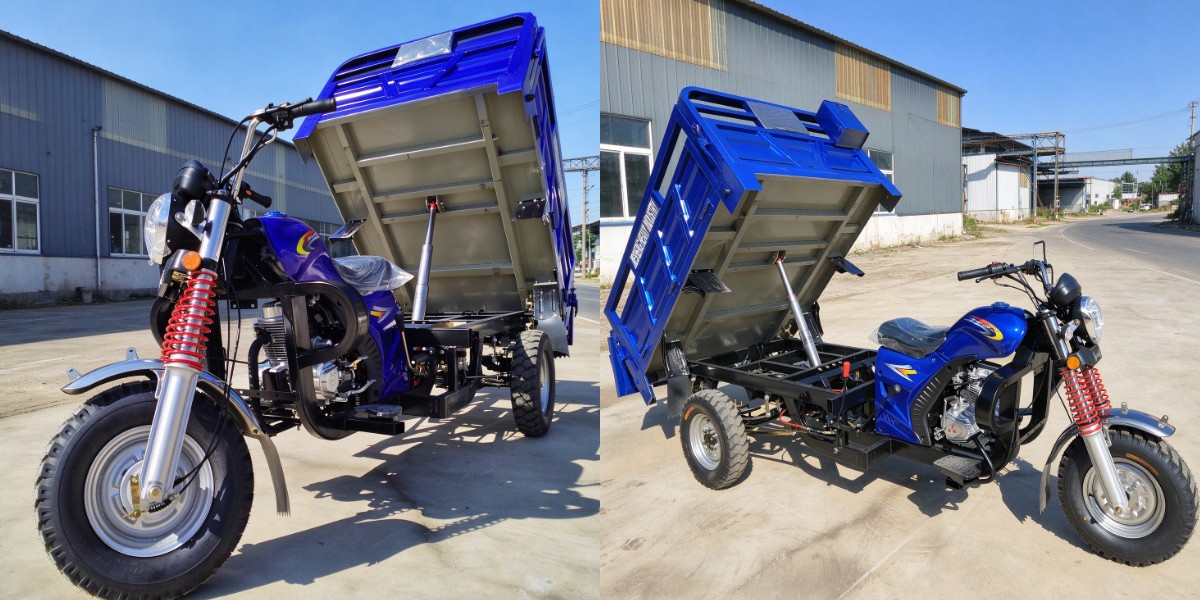
One Machine, a Full Week of Jobs
New buyers don't expect how much this trike gets used. Idle time is rare. A week might look like this: a farmer's harvest to market on Monday, store shelves restocked Tuesday, parcels out with a courier team Wednesday, tools and materials dropped with a field technician Thursday, and a round trip to the next town on Friday.
Few small businesses do one job all day. A motorized cargo tricycle that follows the work from task to task, season to season, is worth more than its sticker price.
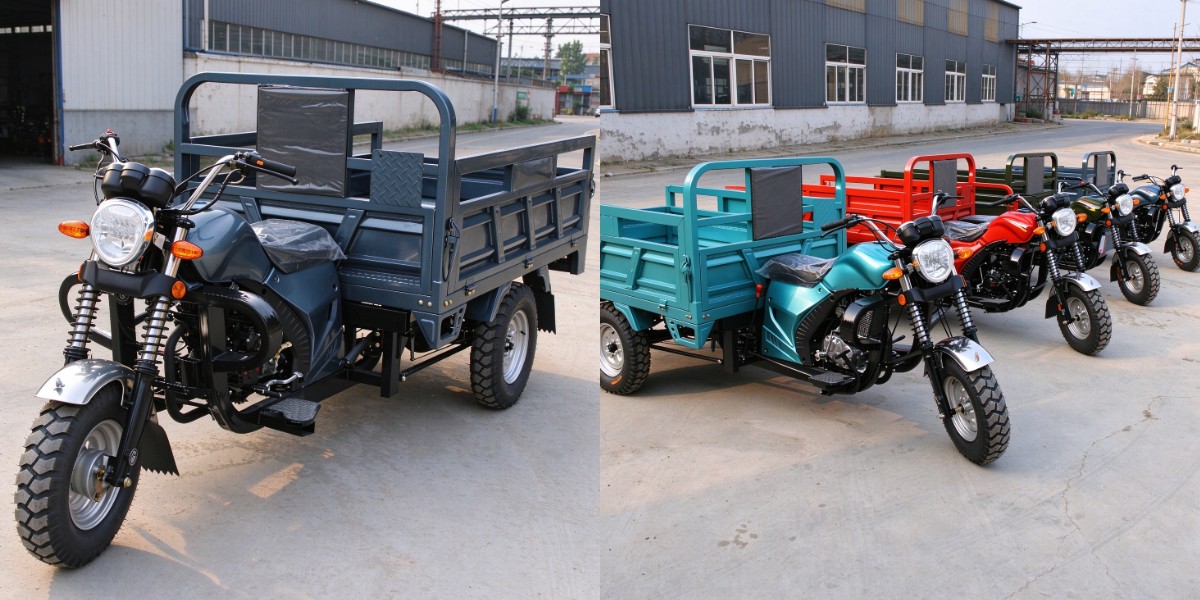
Anyone Can Learn It in an Afternoon
The unglamorous part is the best part: the controls are the ones you already know from a motorcycle. No new system to learn, no training course to sit through. If you can ride a bike, you can be working it safely within a week.
It parks in gaps a van wouldn't try, fires up when you turn the key whether it sat in the cold or baked in the sun. That's the point of a work vehicle: it's there every morning.
If your business moves goods through streets that were never built for trucks, a gasoline tricycle for cargo haulage is worth a serious look. It costs less to run than you'd guess, hauls more than its size suggests, and gets where your other vehicles physically can't. Nobody buys it for the looks. They buy it because it works, day after day, and the numbers hold up. If that's what you need, take one out before you commit.