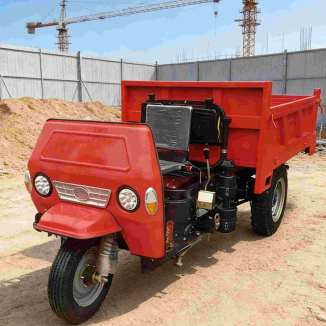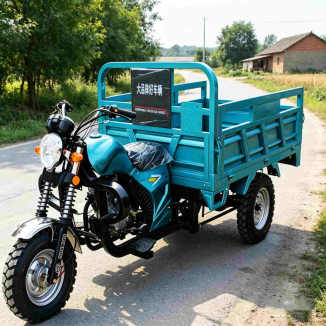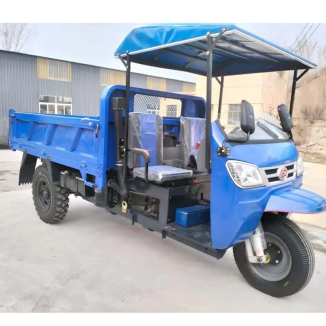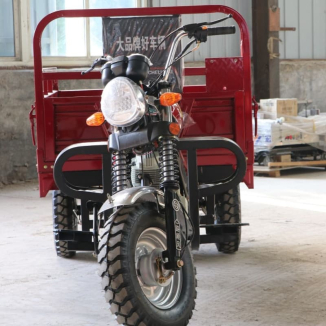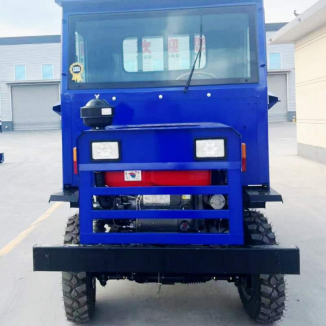

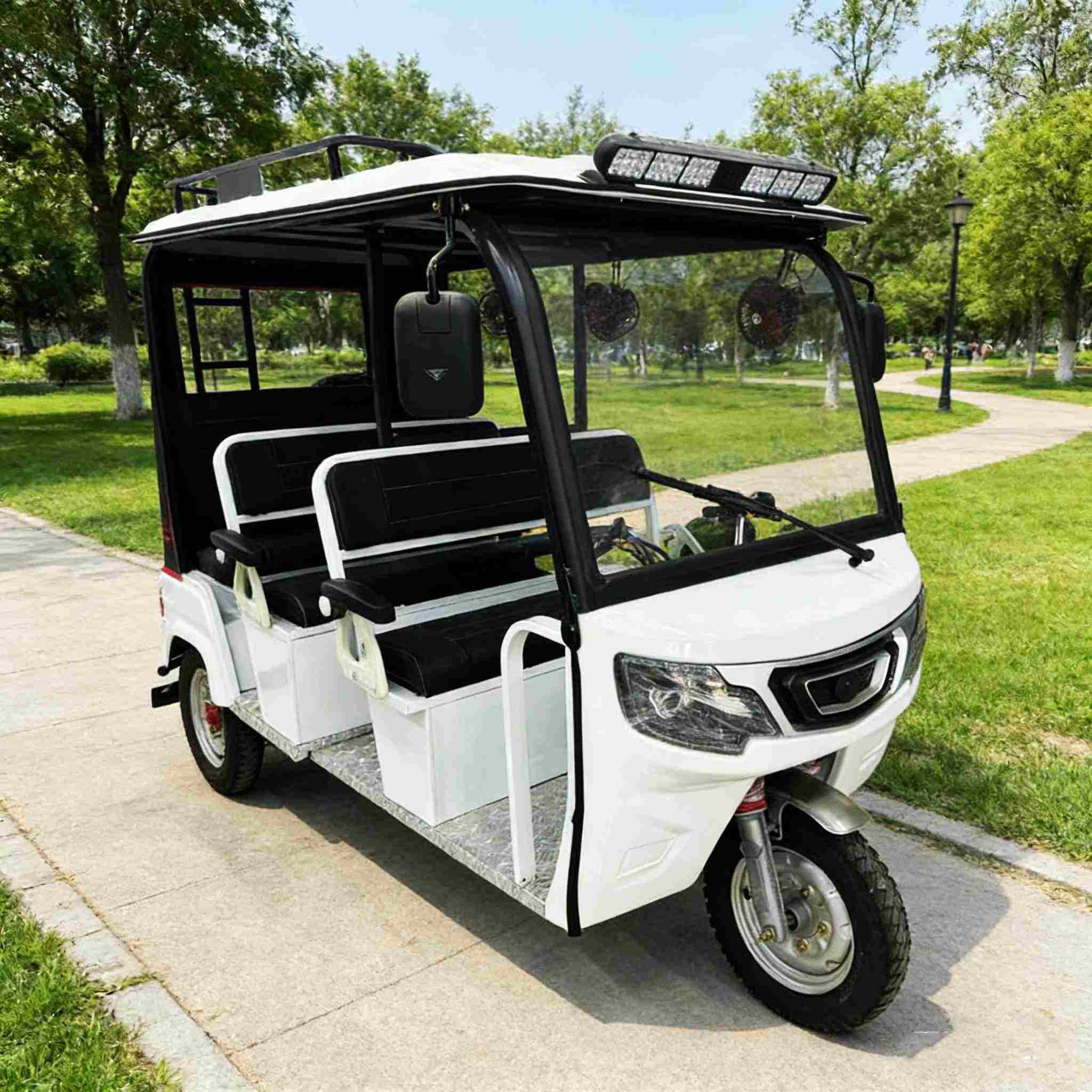
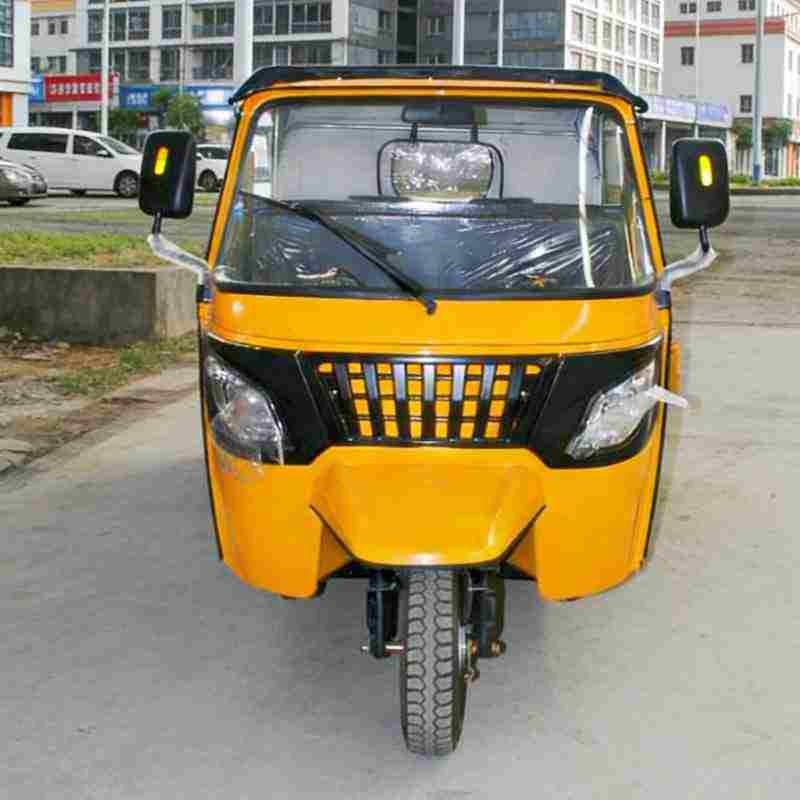
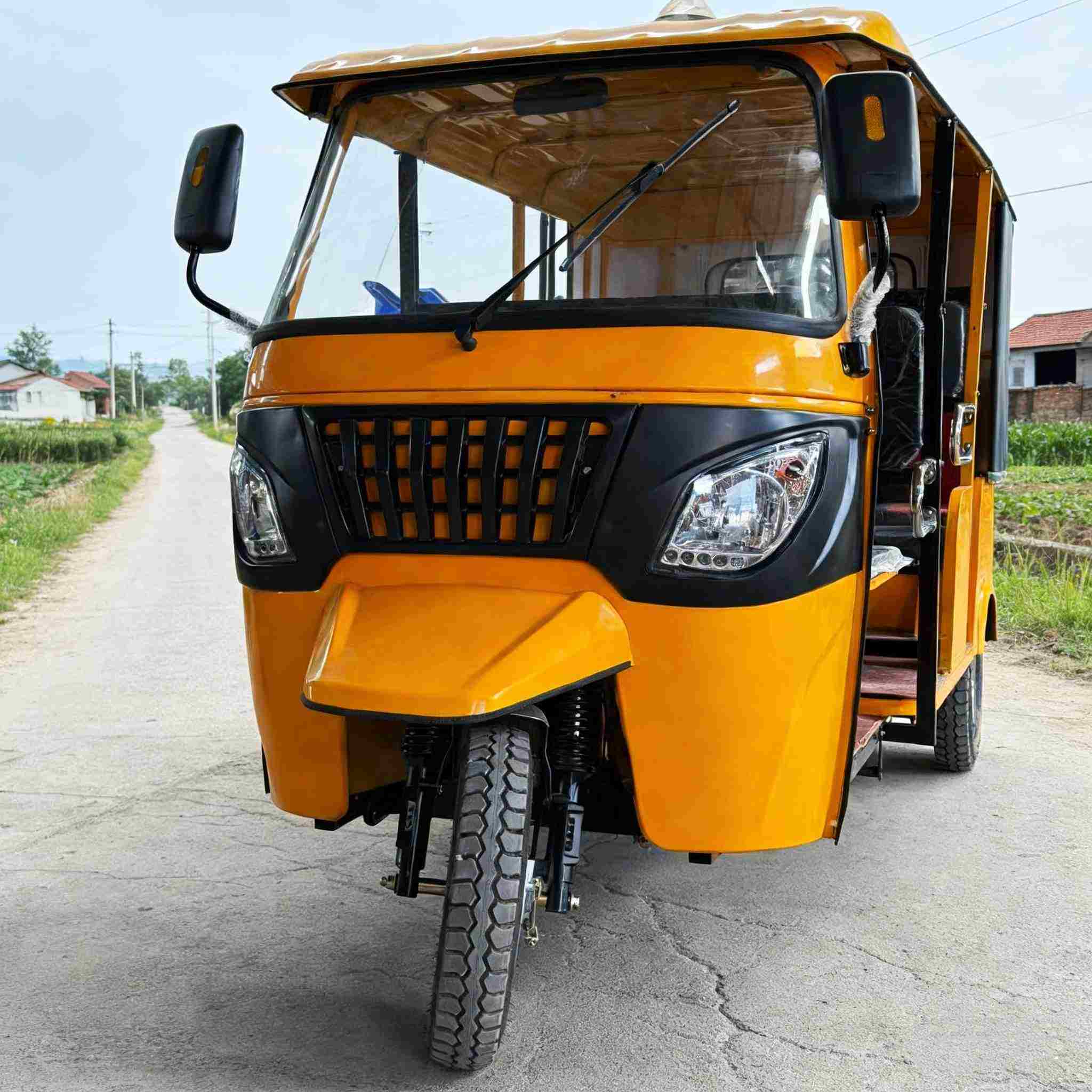
Three wheeler auto rickshaw
Dual-purpose Design: 3-wheeler tuk-tuk for both passenger transport and cargo delivery
Fuel-efficient & Low-cost: Saves 30% fuel vs ordinary tuk-tuks for long-term cost saving
High-power Electric Drive: Zero emission electric tuk-tuk with long endurance for eco-friendly travel
Heavy-duty Load Capacity: Reinforced cargo tuk-tuk carries more goods than standard 3-wheelers
Product Introduction
If you’re a buyer or fleet operator, you get it—buying a three-wheeler auto rickshaw isn’t just a purchase. It’s how you keep your daily income steady, how you get people or goods where they need to go, and it’s an asset you’ll count on for years. We’ve talked to hundreds of buyers like you, and we know your biggest headaches: rickshaws breaking down when you need them most (and eating into your profits), high fuel bills cutting into your margins, shoddy build quality that means constant, costly repairs, and late deliveries that mess up your launch plans. That’s why we don’t just make auto rickshaws—we build them to fix these exact problems, not just check off basic boxes.
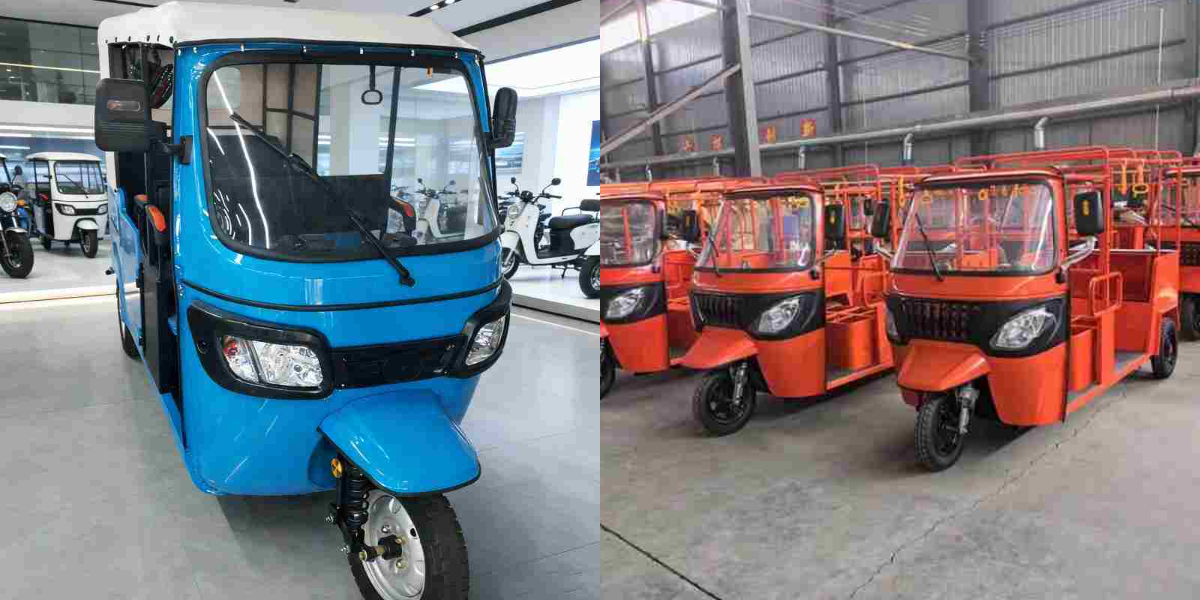
Product Parameters
A Common Mistake We See (Lots of Buyers Fall For This): A lot of buyers pick the economy model to save money upfront. But if you’re in a busy city or carry 3+ passengers regularly, the 125cc engine will struggle—it’ll use more fuel and need more repairs. For most buyers, the standard model is the best bet—it balances cost, efficiency, and how long it lasts. Save yourself the headache later.
Power | 3000W |
Displacement | 180cc-300cc |
Type | Tuk-Tuk,Three-Wheeled Motorcycle |
Driving Type | Motorized/ |
Body Type | Open |
Use For | Passenger |
Grade Ability | ≤10° |
Maximum Speed | 60Km/h |
Passengers | Double-Row,Triple-Row |
Size | 300*140*180cm |
Product Details
We don’t hide anything from you—below are the manufacturing and quality details that make our rickshaws more reliable than the competition. We also included the small features that fix the daily annoyances drivers and passengers deal with—little things that make a big difference for your bottom line.
1. Manufacturing & Quality Control (QC) Process
Every auto rickshaw goes through 7 strict QC checks before it leaves our factory. We don’t cut corners because we know—one breakdown can cost you a full day’s earnings. Here’s exactly how we check each rickshaw (details other manufacturers won’t tell you, because they skip half these steps):
•Tire & Brake Inspection: We test tubeless tires for air leaks (24 hours straight) and make sure the tread is at least 3mm deep to avoid punctures. We check brakes to make sure they stop the rickshaw in 5 meters or less when going 40 km/h—that’s critical for safety in crowded cities. Our brake pads last 10,000km, while competitors’ only last 5,000km—saving you money on replacements every few months.
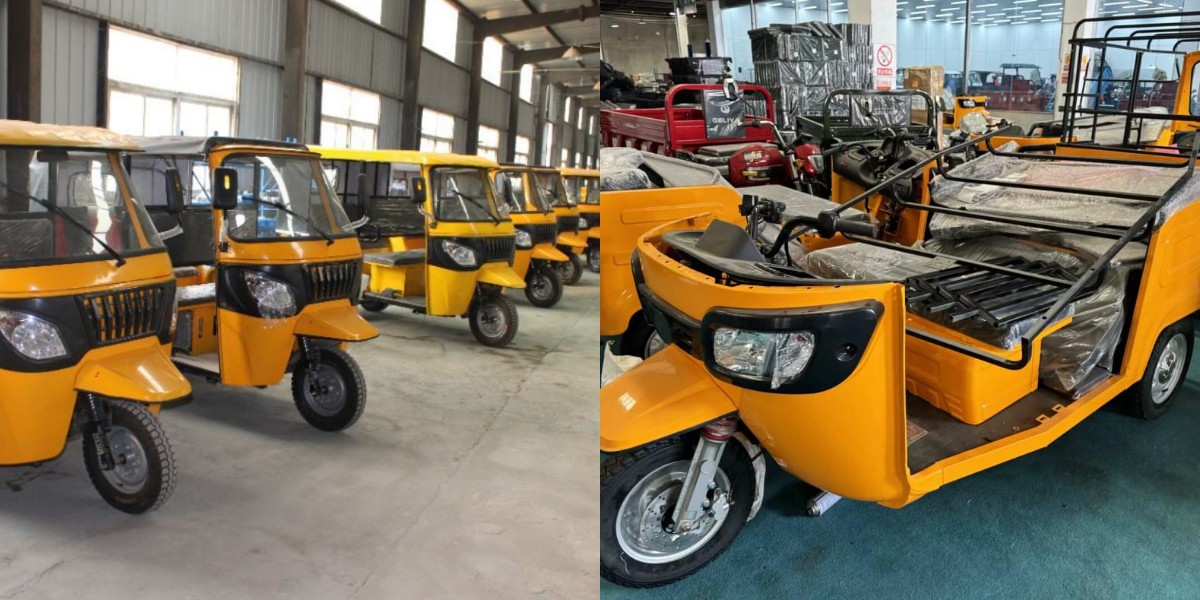
Product Usage Scenarios
1. Urban Passenger Transport (Cities/Towns with Paved Roads)
2. Rural Passenger/Cargo Transport (Unpaved Roads, Small Villages)
3. Last-Mile Delivery (E-Commerce, Parcels, Small Goods)
Scenarios Where Our Auto Rickshaws Aren’t Right
•Heavy-Duty Cargo Transport: Loads over 500kg will damage the chassis, engine, and tires. You’ll have more breakdowns, and the rickshaw won’t last as long. We’re honest about this—don’t try to push it.
•Extreme Off-Road Conditions: Mountain slopes steeper than 25°, deep mud, or rocky roads. Our rickshaws work for light off-roading, but not extreme terrain. You’ll need a specialized vehicle for that.
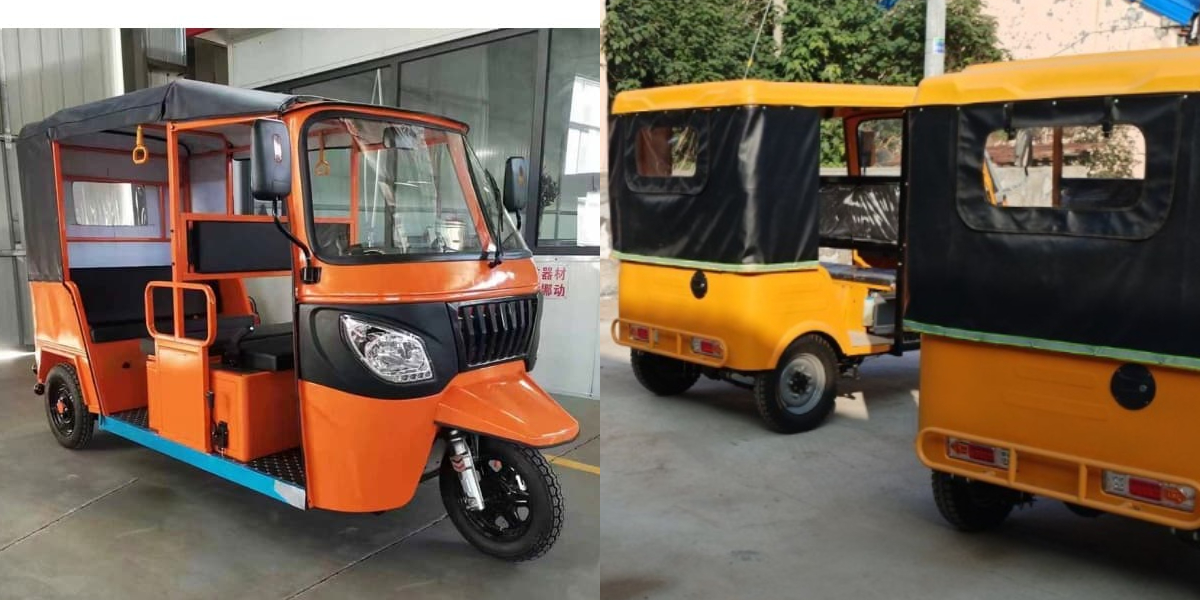
Service Commitment:
We don’t just sell you rickshaw three wheeler —we support you for the entire life of the product. Below are our service promises, designed to cut down your downtime, lower maintenance costs, and make sure you get the most out of your investment. We keep our promises—ask any of our long-term customers.
1. Warranty Commitment
All our auto rickshaws come with a standard 1-year/10,000km warranty . It covers manufacturing defects in the engine, chassis, and electrical parts. Here’s what’s included and what’s not—no fine print:
•Included: Engine defects (like compression issues or oil leaks), chassis bending/cracking (from manufacturing, not overloading), and electrical failures (lights, battery, starter motor). If it’s our fault, we fix it.
•Excluded: Wear-and-tear parts (tires, brake pads, oil filters)—these are meant to be replaced. Also excluded: damage from overloading, accidents, or not maintaining the rickshaw properly, and modifications you make without our approval. Be careful with overloading—we’ve seen buyers void their warranty this way.