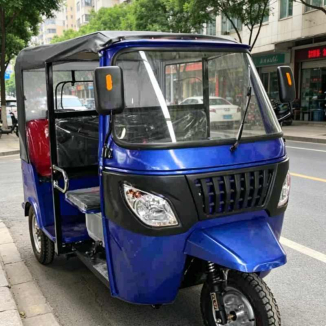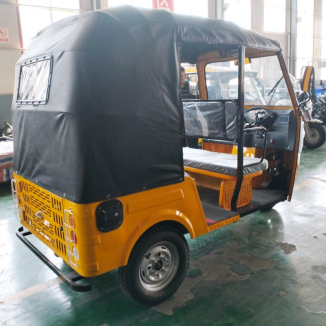

Is rural cargo trike The Right Vehicle For Remote Village Logistics?
Remote village logistics always face unique practical obstacles. Narrow dirt lanes, limited road infrastructure and tight operating budgets make large‑size trucks impractical for daily distribution. Many local logistics operators struggle to find cost‑effective transport solutions for supplies delivery and farm produce outbound shipment. A rural cargo trike and farm cargo tricycle fill this market gap perfectly. The reliable water cooled trike further improves adaptability for long‑hour continuous trips under high‑temperature rural conditions. More local business owners are re‑evaluating compact three‑wheel vehicles for hard‑to‑reach rural zones.
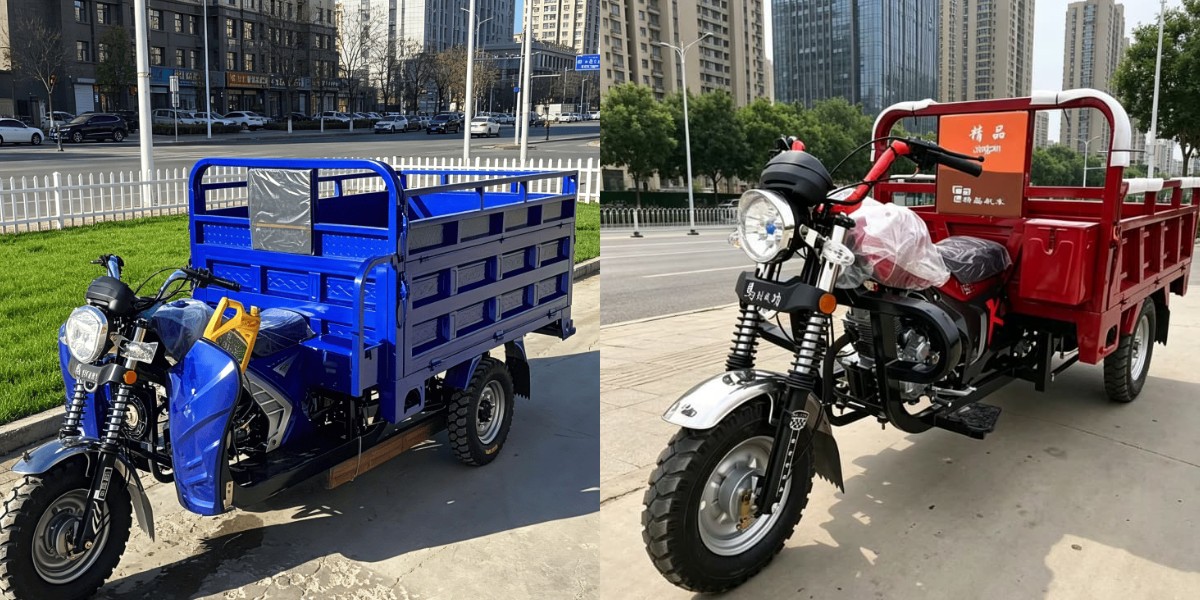
Flexible Passing Ability Fits Narrow Rural Road Conditions
Big delivery trucks often get stuck on narrow village tracks, steep slopes and uneven ground. The rural cargo trike features compact overall dimensions, which can navigate small lanes that larger vehicles cannot access. As a versatile farm cargo tricycle, it can move directly to farm plots, household doorsteps and remote collection points. The water cooled trike maintains stable power output while climbing hilly village roads. Operators do not need to set up intermediate transfer stations, and goods can be delivered to end points in one single trip. This solves the last‑mile bottleneck which has troubled remote‑area logistics for many years.
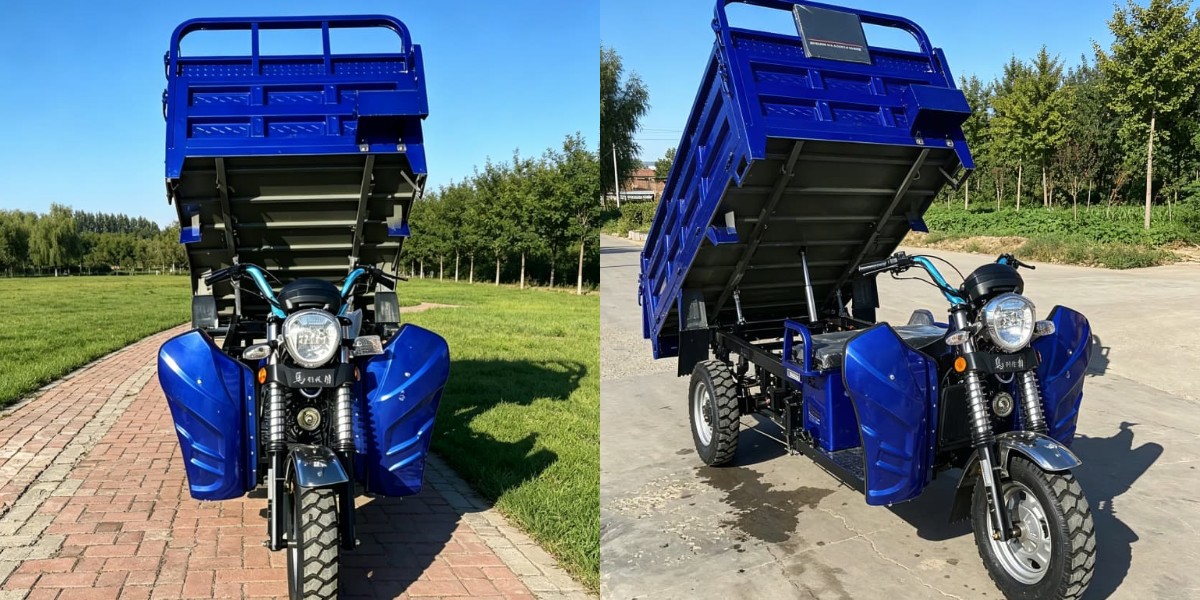
Lower Capital Threshold For Local Logistics Start‑ups
Investment cost is a major concern for small logistics teams operating in villages. Buying and maintaining heavy‑duty trucks requires huge upfront spending. A farm cargo tricycle needs far less purchase budget. The rural cargo trike consumes low fuel during daily short‑haul routes. The water cooled trike also reduces breakdown risks in hot climates, cutting unexpected repair expenses. Small local entrepreneurs can launch village distribution services without heavy financial pressure. This makes it easy to expand delivery coverage across scattered remote settlements.
Adapt To Mixed‑type Transport Demands Of Rural Areas
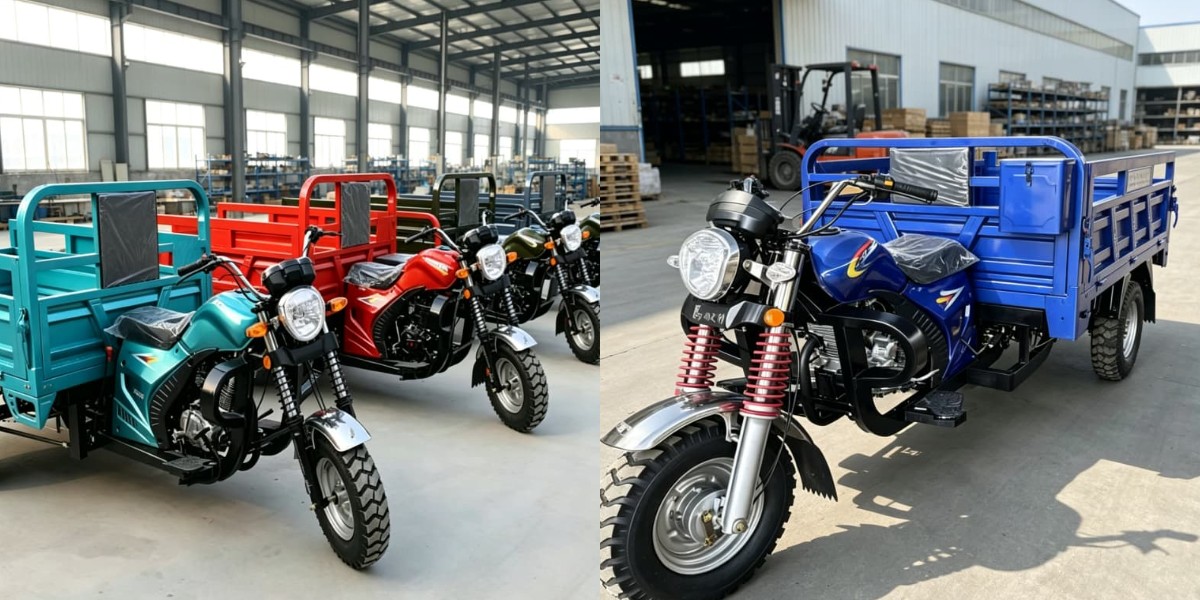
Village logistics require handling mixed cargo types constantly. Operators need to ship daily household goods, agricultural fertilizers, harvested crops and small building materials. The rural cargo trike supports flexible loading layouts to match varied cargo sizes. The farm cargo tricycle balances payload capacity and maneuverability for mixed‑goods transport. With stable cooling performance, the water cooled trike can run multiple shuttle trips every day between villages and market towns. It meets the irregular, multi‑purpose transport needs unique to remote village environments.
Conclusion
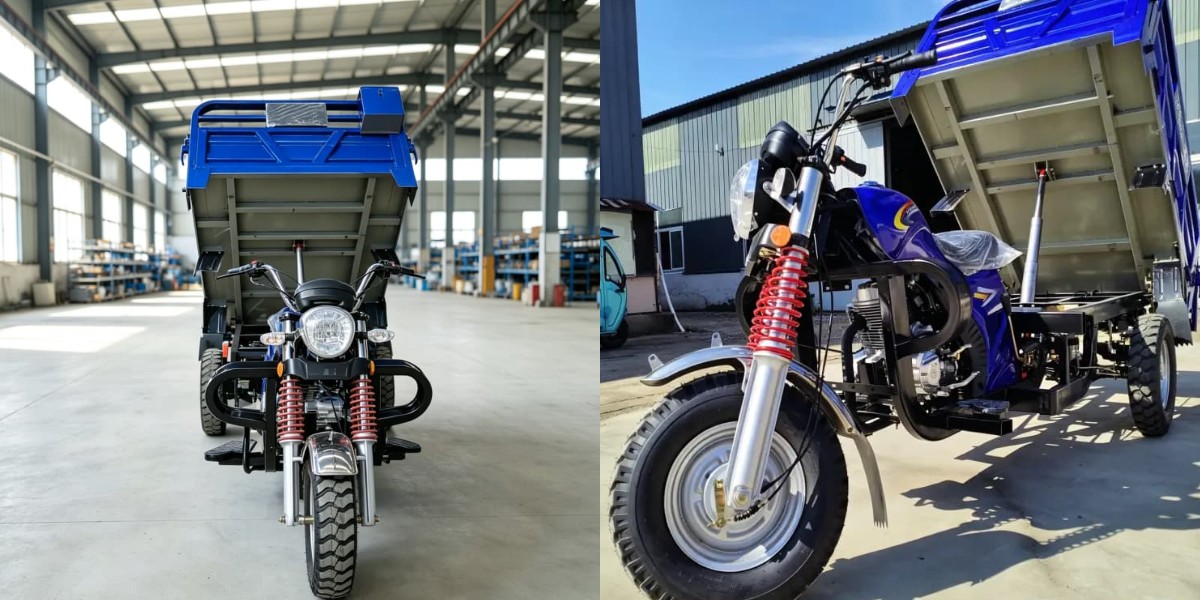
For remote village logistics projects, the rural cargo trike proves itself as a highly practical transport option. The farm cargo tricycle overcomes road limitations and lowers entry barriers for local operators. Choosing a well‑built water cooled trike further enhances reliability for heavy daily shuttle tasks. It is not a total replacement for large trucks, but it delivers unmatched advantages for last‑mile village distribution. For fleet buyers targeting rural markets, these three‑wheel models deserve serious consideration for expanding local logistics businesses.