
Why Compact Tuk Tuk Fleets Are Taking Over Local Town Transport Networks
Spend ten minutes driving through any fast-growing small town these days, and you will spot the exact same quiet shift in local public transport. Small fleet operators are slowly phasing out their half-empty minibuses and swapping them for three-wheel vehicles instead. You will hear them called everything from Gasoline Tuk Tuk to Taxi Tuk Tuk or Rural Transport Tuk Tuk depending on the region, but they all sit on the exact same tried-and-true vehicle platform — just kitted out differently for different daily routes. This is no cheap cost-cutting downgrade. It is a plain practical call that fits far better with how people actually travel for short, frequent trips around town.
Last-Mile Connectivity Minibuses Cannot Match
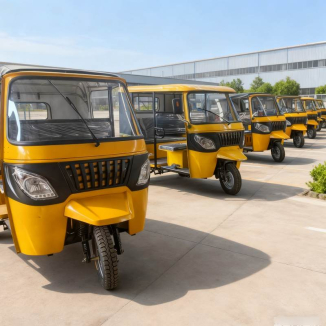
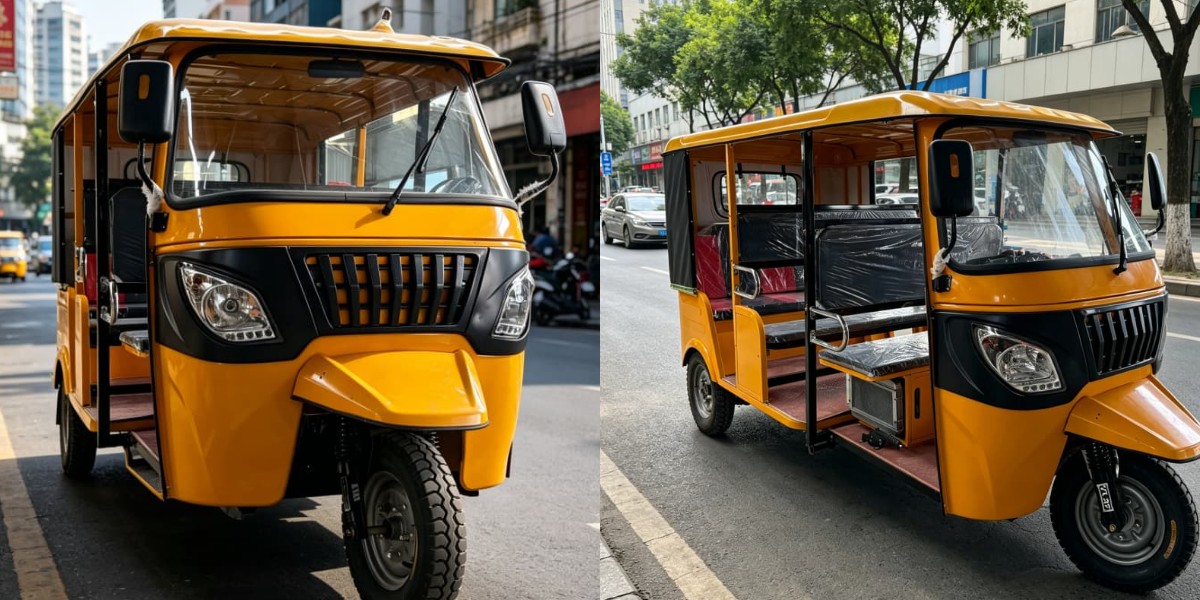
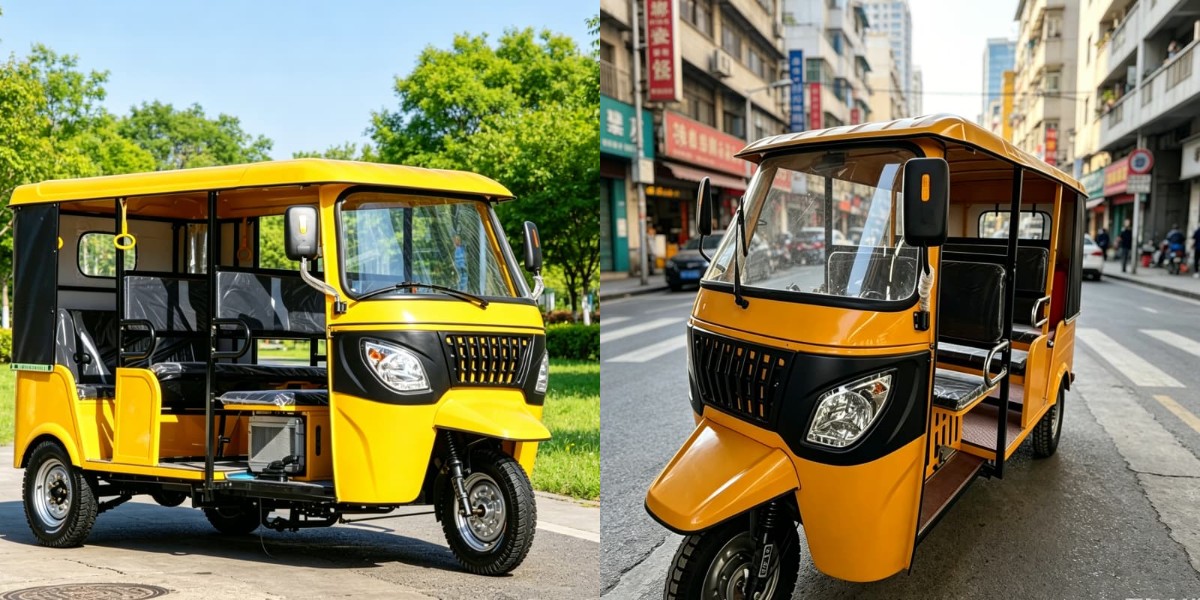
Let’s be real — big minibuses only work on wide main roads with fixed stops, and that leaves massive gaps between official routes and where people actually live. That is exactly where this compact platform shines. Built around a reliable 200cc Water Cooled Tuk Tuk engine, the standard 6 Passenger Tuk Tuk with a 2 Row Seat Tuk Tuk layout slips right down narrow residential lanes, crowded market alleys and rough village paths no bus could ever squeeze through. Unlike large buses that sit around waiting for a full load to turn a profit, these units run frequent short loops even with just two or three riders on board. They plug that last-mile gap perfectly for housing estates, industrial parks and wholesale markets that sit just off main transit lines.
Lower Operating Risk For Small Fleets
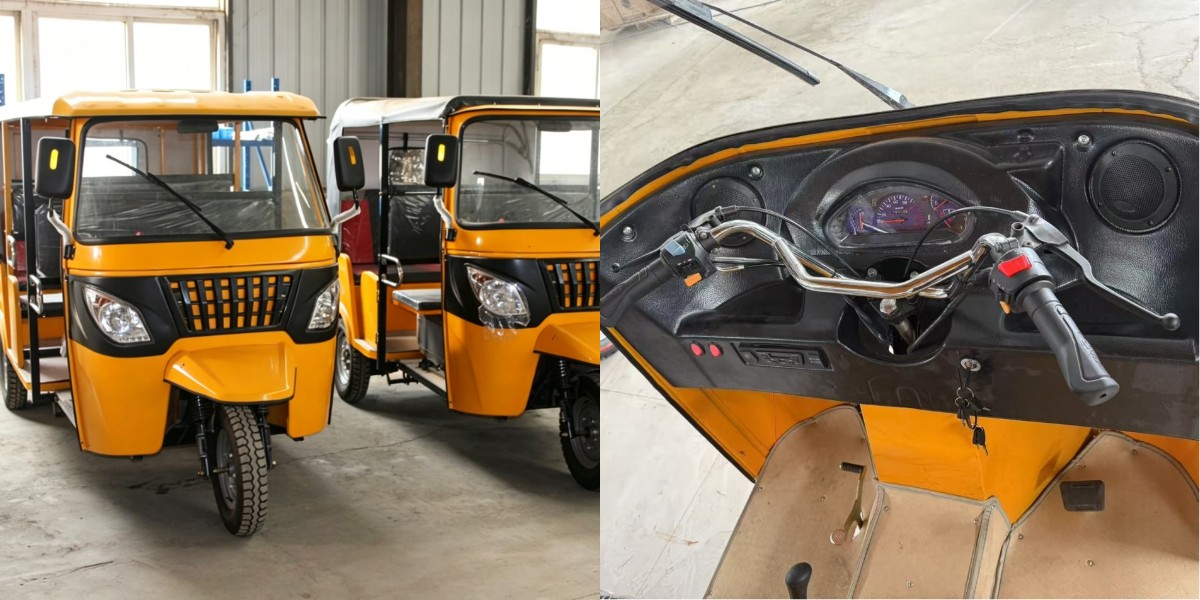
Running a minibus fleet means brutal upfront costs, and you are constantly stressing about empty seats eating into profits. A Fuel Efficient Tuk Tuk flips that whole math on its head. As a standard Petrol Tuk Tuk, it burns a tiny fraction of the fuel per kilometer of even the smallest minibus, and routine upkeep costs pennies on the dollar by comparison. The Heavy Duty Tuk Tuk frame takes a beating on rough roads and runs all day without constant breakdowns, and spare parts are easy to pick up at any local auto shop. I have talked to plenty of small operators who swapped three underperforming minibuses for eight of these units, cut monthly fuel bills clean in half, and opened four new routes — all without taking on huge bank loans.
One Platform, Multiple Revenue Streams
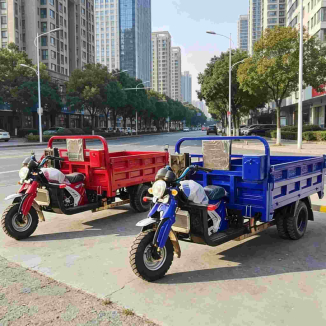
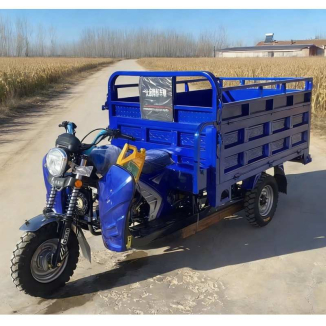
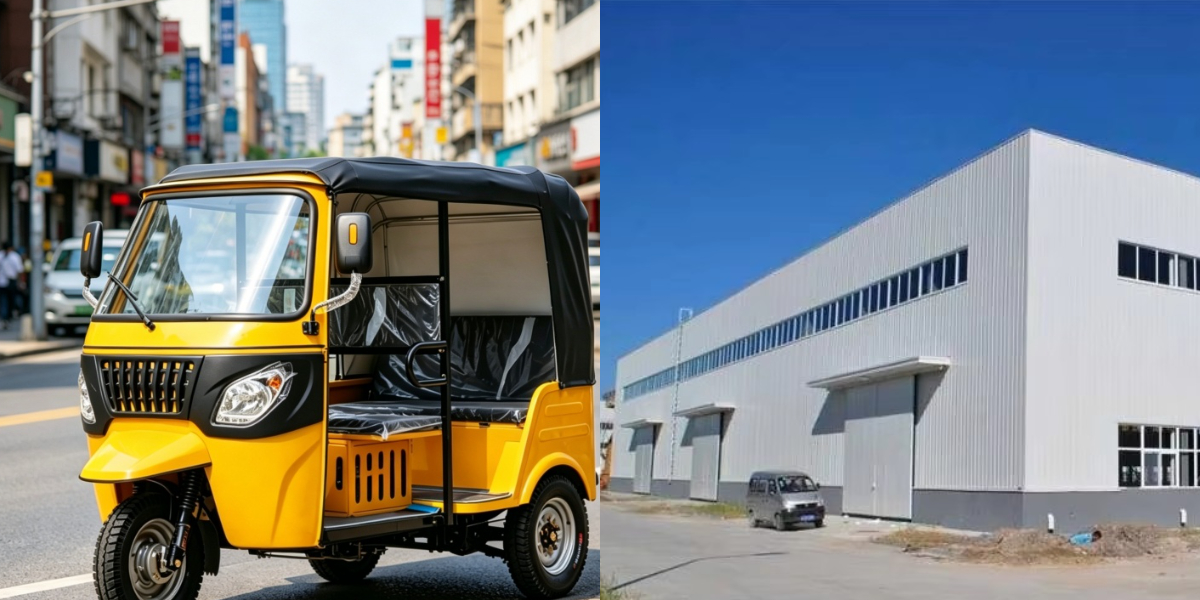
What most people never notice is how versatile one single vehicle frame can be across a full workday. During rush hour, it runs as a standard Passenger Tuk Tuk for commuter shuttles. During the slow midday lull, the exact same unit switches to a Cargo Passenger Tuk Tuk setup to haul small goods for local shops and market vendors. In tourist towns, the same base Commercial Tuk Tuk gets upgraded seating and works as a Tourist Tuk Tuk for scenic shuttles. Operators do not have to buy separate vehicles for different lines of work. One unit pulls duty across multiple income streams, boosts daily utilization, and pays for itself much faster as a result.
Summary
A lot of people still write three-wheel transport off as a basic, low-budget option only for low-income areas, but that take is seriously outdated right now. For short-distance local transit, last-mile connections and small fleet operations, they are almost always the more practical, lower-risk pick compared to oversized buses and vans. Built on one flexible platform sold under names from Gasoline Tuk Tuk to Rural Transport Tuk Tuk, these units adapt to local needs instead of forcing routes to fit the vehicle. For any operator looking to expand local services without overspending, they are well worth a closer look as a solid long-term fleet solution.