
For agricultural operators and small‑scale construction teams, manual unloading remains one of the most time‑consuming steps in daily material handling. Moving grain, gravel and farm goods requires plenty of labour, which delays subsequent work progress a
For agricultural operators and small‑scale construction teams, manual unloading remains one of the most time‑consuming steps in daily material handling. Moving grain, gravel and farm goods requires plenty of labour, which delays subsequent work progress and raises operating costs. A hydraulic dump tricycle solves this common operational headache perfectly. Whether teams deploy a farm cargo tricycle or air cooled petrol trike for field assignments, the self‑unloading function changes traditional workflows entirely. Business owners who manage material transport tasks can greatly boost overall job efficiency by picking suitable three‑wheel transport equipment.
Reduce Manual Labour For Farm Material Handling
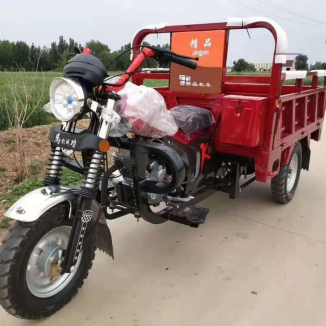
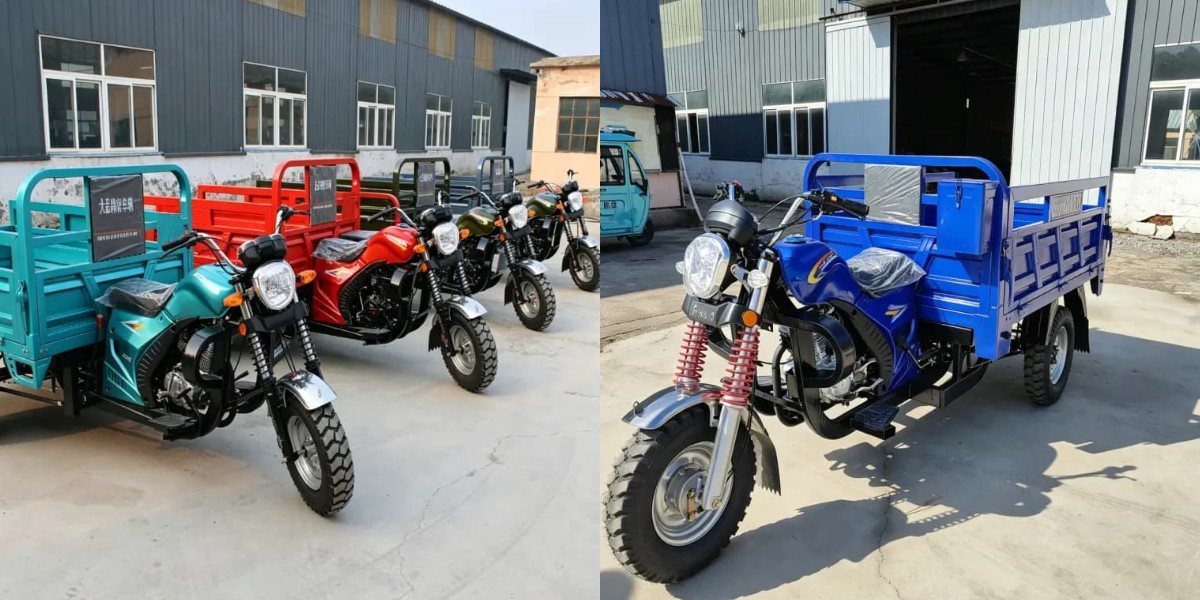
Rural farm work often involves frequent loading and unloading of crops, fertilizer and forage. A farm cargo tricycle travels through narrow farm tracks to reach remote planting zones. Without hydraulic assistance, workers have to unload bulk goods by hand. The hydraulic dump tricycle eliminates heavy manual lifting work. Operators using an air cooled petrol trike can finish full‑load unloading within moments once the vehicle arrives at destination. For harvest‑season rush periods, this capability allows a 3 Wheel Gasoline Tricycle to complete more delivery cycles per day, and a Petrol Dump Tricycle brings extra convenience for high‑volume agricultural transport missions.
Speed‑Up Construction Site Bulk Material Discharge
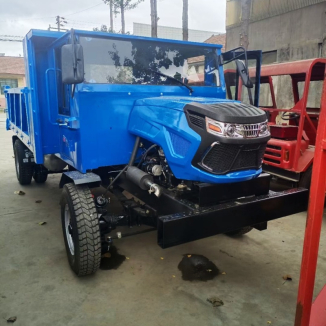
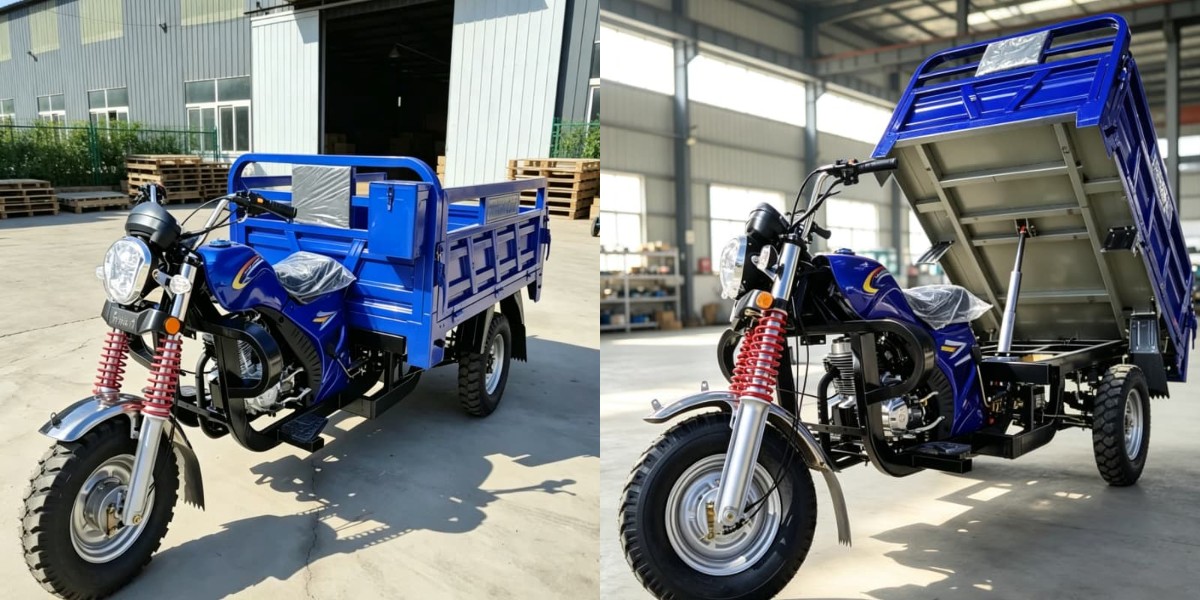
On small building sites, sand, bricks and rubble need to be delivered and discharged repeatedly. Large trucks cannot access narrow site entrances, so compact three‑wheel vehicles become the primary transport option. The hydraulic dump tricycle tilts the cargo bed to drop off bulk materials directly at required spots. As a practical farm cargo tricycle variant, it performs well on uneven construction ground. An air cooled petrol trike delivers steady power even during continuous short‑distance shuttle runs. Fleet managers can rely on a 3 Wheel Gasoline Tricycle for continuous material supply, and the Petrol Dump Tricycle avoids extra handling steps that waste valuable working hours.
Lower Downtime And Improve Vehicle Turnover Rate
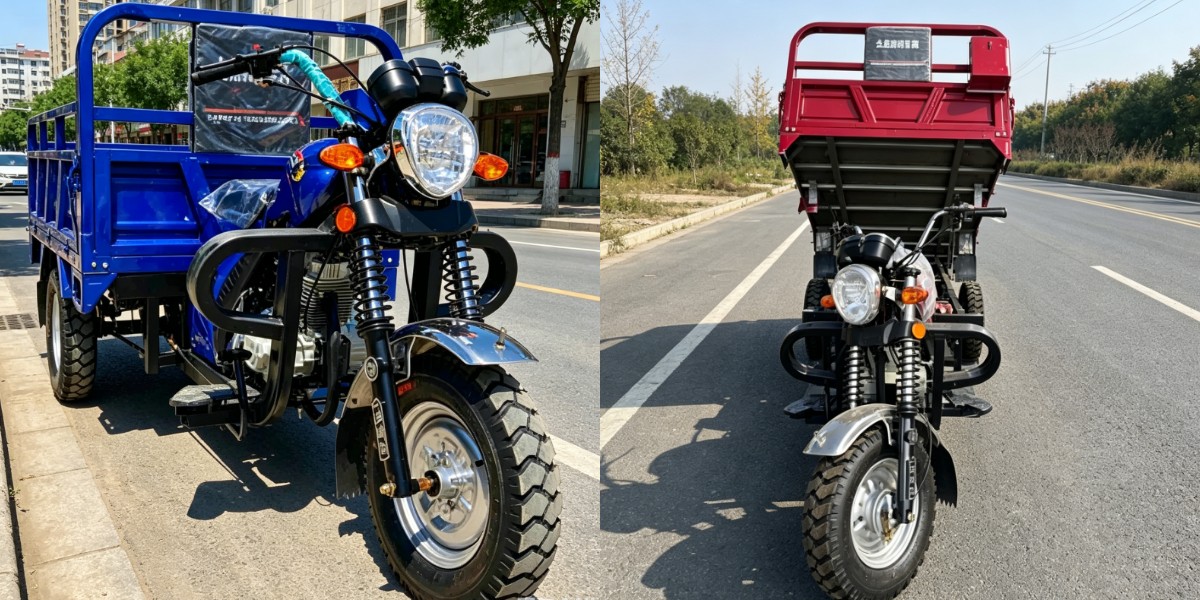
Long unloading pauses reduce how many trips each vehicle can complete every working day. Every minute spent on manual unloading cuts down actual transport output. With the hydraulic dump tricycle, unloading operations take only a short time, so vehicles can quickly return to pick‑up points for next loads. A farm cargo tricycle equipped with dumping mechanism creates higher revenue potential for each shift. The reliable power output of an air cooled petrol trike supports non‑stop back‑and‑forth operations. When project owners select a 3 Wheel Gasoline Tricycle with dumping features, the Petrol Dump Tricycle helps to maximise asset utilisation without extra manpower investment.
Conclusion
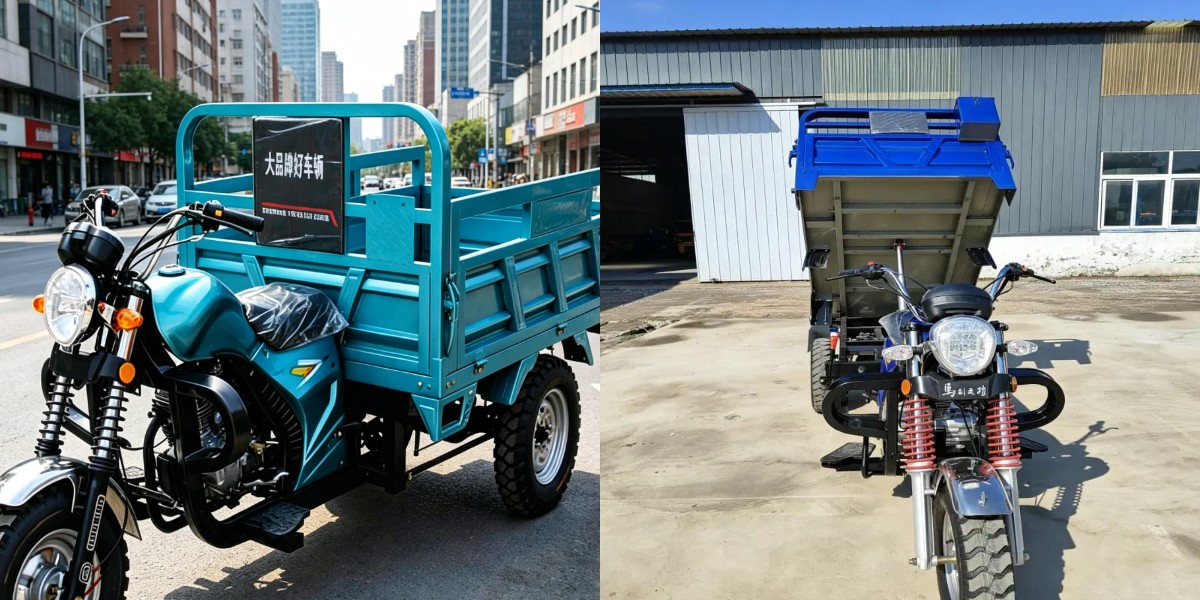
The hydraulic dump tricycle delivers obvious time‑saving advantages for site unloading tasks. It cuts manual labour input for farm cargo tricycle assignments, accelerates material discharge on construction sites and lifts vehicle turnover rate. The durable power performance from an air cooled petrol trike guarantees stable operation under heavy‑load conditions. For fleet buyers, choosing a well‑configured 3 Wheel Gasoline Tricycle or Petrol Dump Tricycle can effectively reduce labour expense and raise daily work throughput for both agriculture and small construction projects.