
What Benefits Does Open Body Cargo Tricycle Bring For Bulk Goods Delivery?
For small‑scale bulk goods delivery in remote villages and suburban zones, traditional large trucks often face access barriers on narrow lanes and rough ground. An open body cargo tricycle fills this market gap perfectly. Whether transporting farm produce, building materials or daily supplies, this practical vehicle delivers flexible transport solutions. The rural cargo trike has gradually become a preferred transport option for many local distributors and small‑scale farmers across developing regions.
Strong Adaptability For Complex Rural Road Conditions
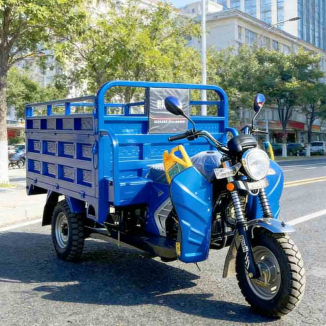
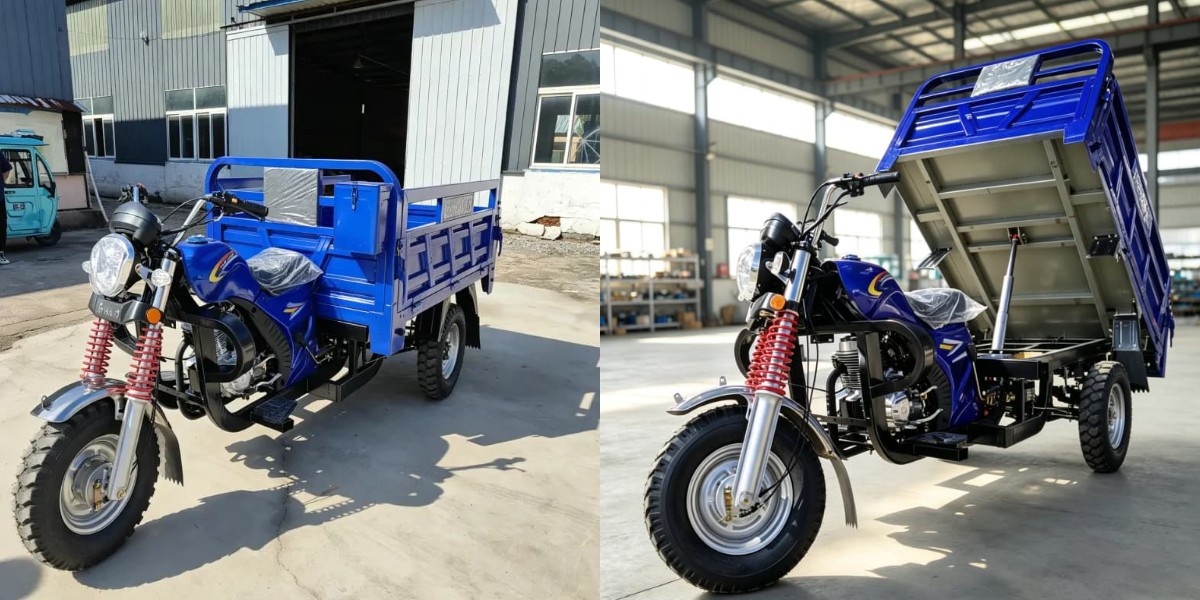
Many rural delivery routes contain narrow village paths and bumpy unpaved roads, where large delivery trucks cannot pass smoothly. The 250cc cargo tricycle features compact overall dimensions and stable chassis structure, allowing it to travel freely in tight spaces. Compared with heavy‑duty trucks, this open body cargo tricycle does not require wide hardened roads, so drivers can finish goods drop‑offs directly near farmlands and village households. For bulk goods scattered across different rural sites, the rural cargo trike greatly cuts detour time caused by road restrictions.
High Loading Flexibility For Varied Bulk Cargo
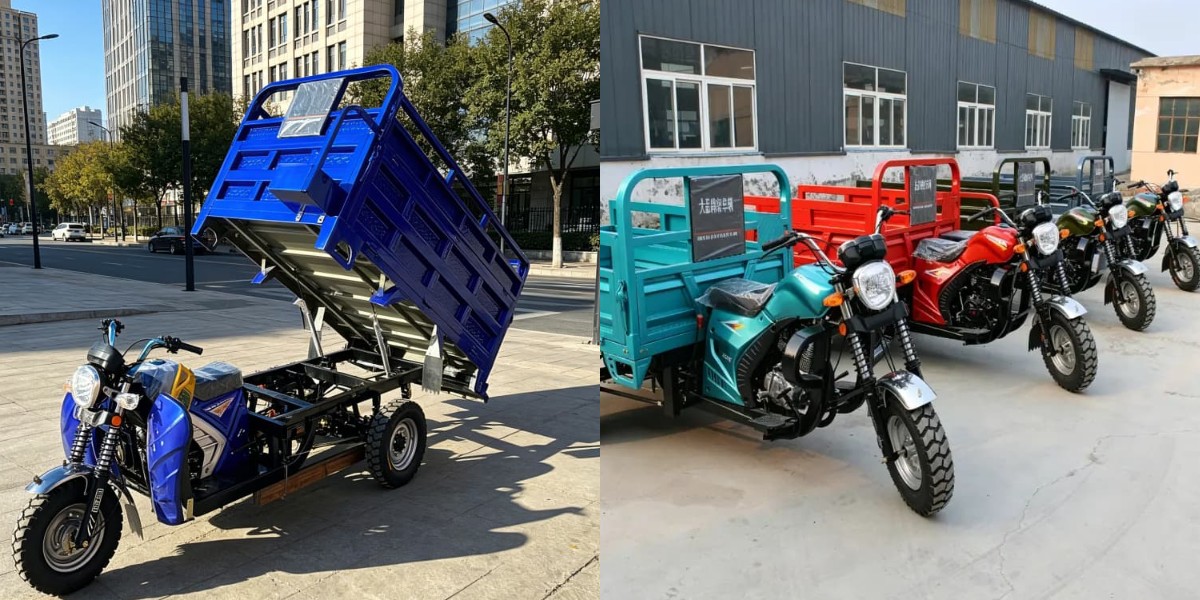
Open‑deck design is the core advantage of the open body cargo tricycle. Without closed cabin limits, operators can load irregular‑shaped bulk goods such as grain sacks, bricks, pipes and agricultural supplies. The 250cc cargo tricycle provides stable power output to handle full‑load bulk cargo under normal road conditions. Business owners can adjust stacking modes according to cargo size, which brings higher space utilization than fully enclosed tricycle models. This flexible loading mode lowers extra sorting and packaging costs for bulk goods delivery tasks.
Low Operating Cost For Small‑batch Bulk Transport
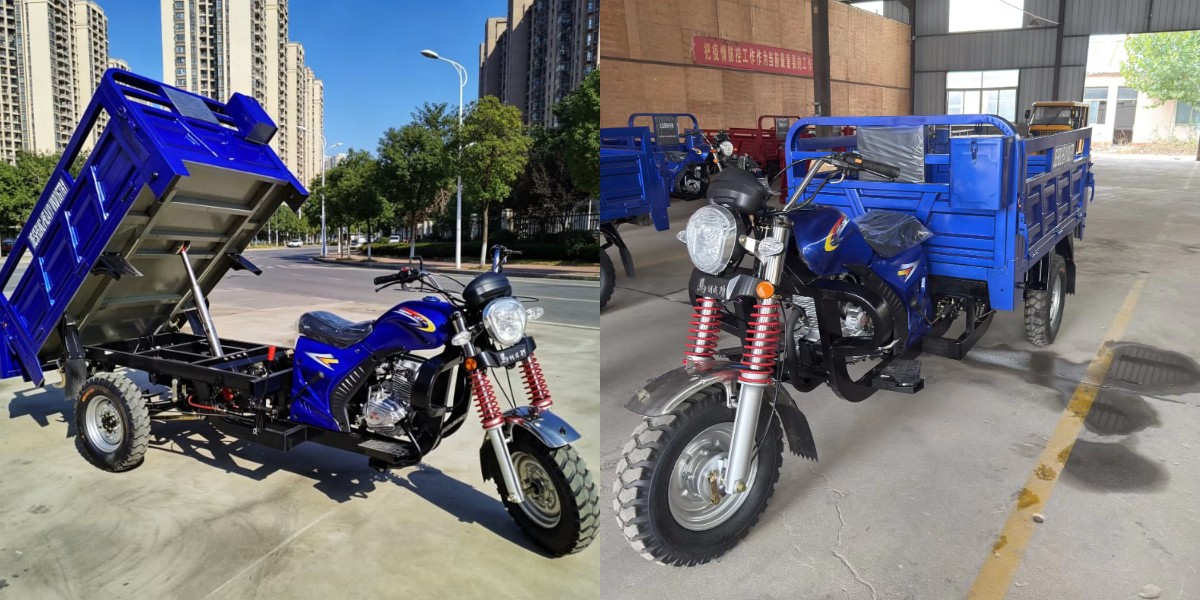
Fleet buyers and individual operators care a great deal about total running expenditure. The rural cargo trike consumes far less fuel compared with light‑duty trucks, which helps operators keep unit delivery cost under control. Maintenance work for the 250cc cargo tricycle is simple, and spare parts are easy to source in local markets. For frequent small‑volume bulk goods delivery tasks, using an open body cargo tricycle avoids the high idle‑loss that comes with running large trucks for partial loads. It creates better profit margins for rural distributors and independent delivery workers.
Conclusion
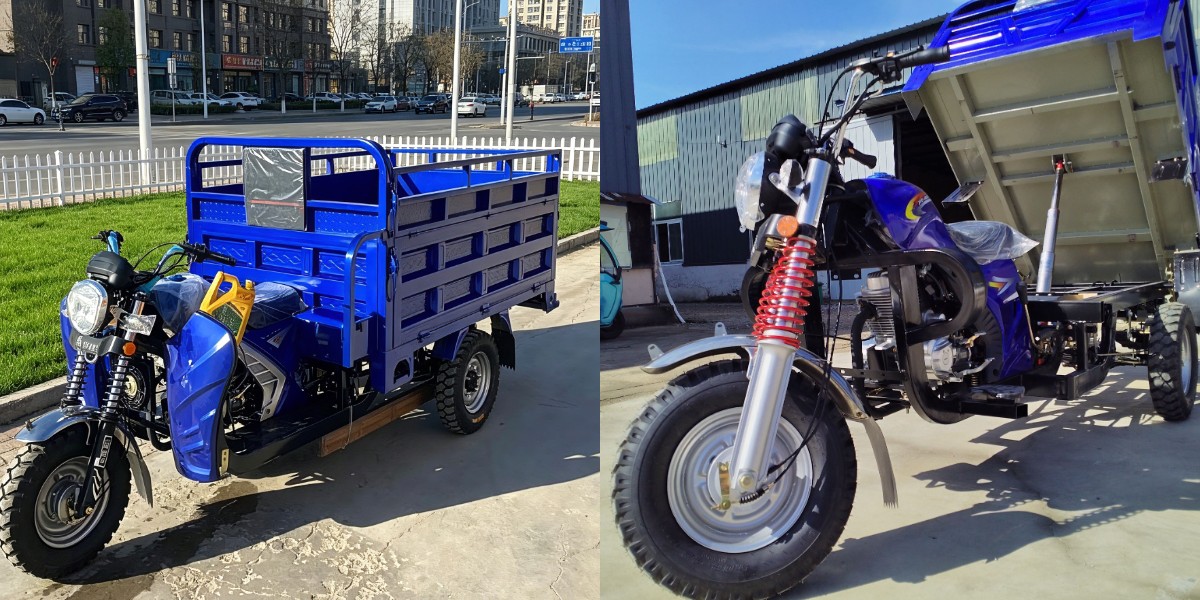
In rural and suburban bulk goods delivery scenarios, the open body cargo tricycle combines road accessibility, loading flexibility and economical running costs. As a reliable rural cargo trike, the 250cc variant meets most small‑to‑medium bulk transport demands. For investors and fleet managers targeting rural logistics markets, this type of tricycle is a cost‑effective choice to expand local delivery business.