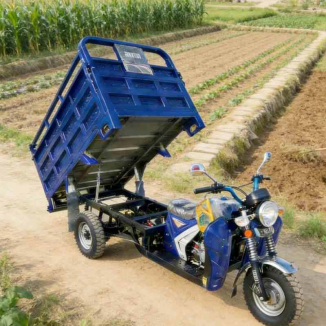

How 3 Wheel Gasoline Tricycle Improves Daily Commute And Goods Transport?
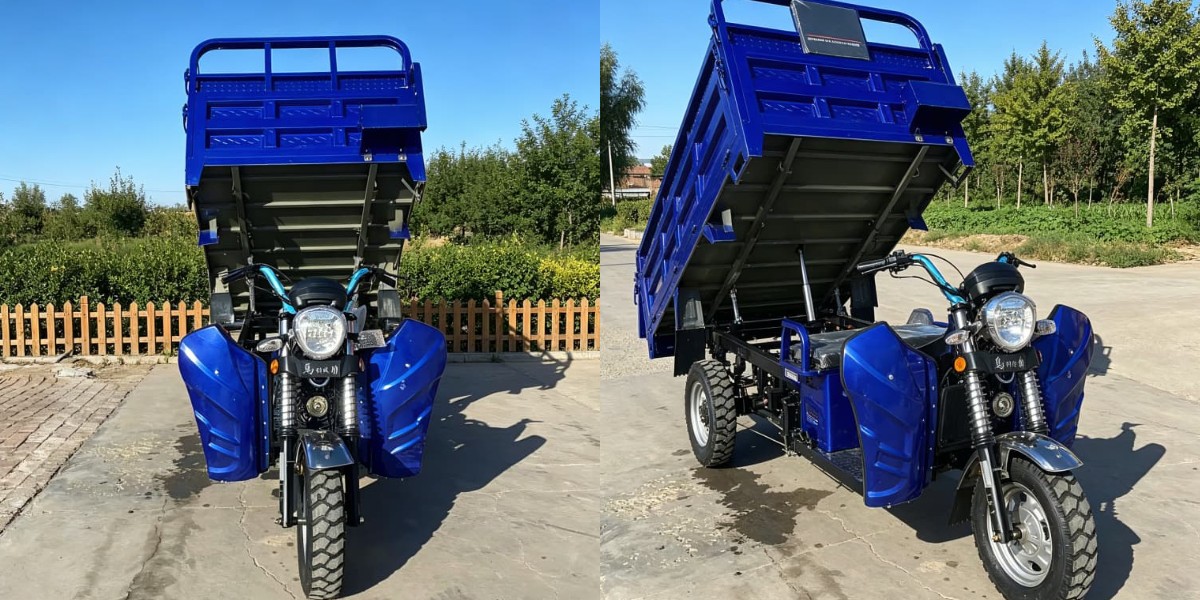
For small‑scale merchants, rural operators and small fleet owners in remote areas, finding cost‑effective transport solutions for daily trips and local cargo hauling remains a constant challenge. Large four‑wheel trucks cost too much for small‑budget users, while ordinary motorcycles cannot handle heavy‑load tasks. The 3 wheel gasoline tricycle solves this real‑world pain point. Built on the same core vehicle platform, this practical machine supports multiple optional configurations to fit diverse local business needs. Buyers can select versions such as the water cooled gasoline tricycle, or opt for dual‑purpose and commercial‑oriented setups based on their actual operating scenarios. As a versatile workhorse, the basic gasoline tricycle adapts well to suburban roads, village lanes and rough unpaved surfaces.
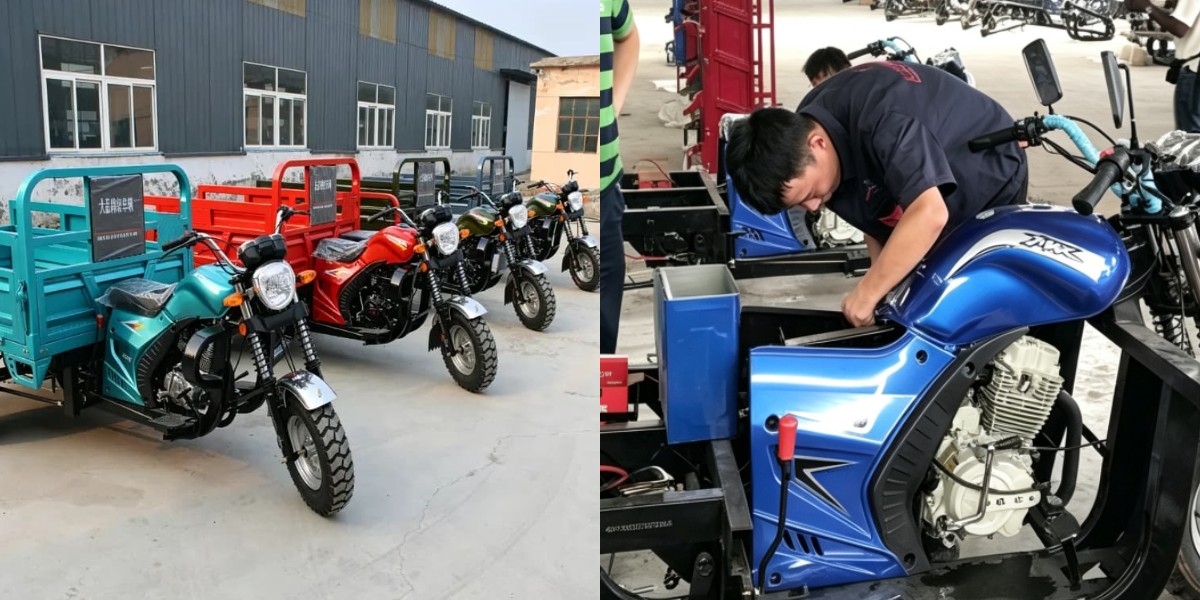
Multiple Configurations Built On The Same Vehicle Platform
The core of this practical transport solution is the 3 wheel gasoline tricycle. Instead of developing entirely separate vehicles for different jobs, manufacturers offer different configurable variants from one base chassis. Operators needing to run long‑hour heavy‑duty trips can pick the water cooled gasoline tricycle, whose cooling system prevents overheating during continuous climbing and frequent heavy‑load cycles. If users need to shuttle passengers and deliver goods alternately, they can choose the dual use passenger cargo gasoline tricycle, whose adjustable carriage switches easily between passenger commuting mode and cargo loading mode. For buyers focusing purely on material hauling work, the commercial gasoline cargo tricycle variant comes with reinforced cargo frames optimized for bulk‑goods transportation. All these setups stem from the same gasoline tricycle foundation, helping buyers avoid paying for completely new vehicle platforms.
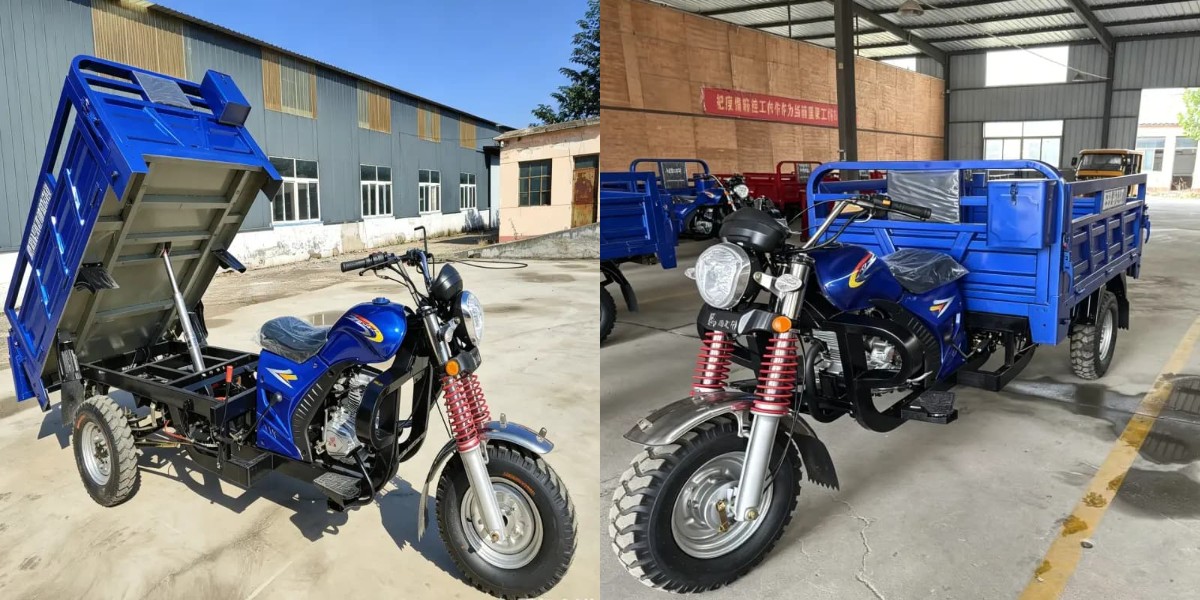
Adapt To Mixed‑scene Operation For Rural And Suburban Markets
Most grassroots operators do not split their business into fully separate passenger and cargo workflows. One day they may run short‑distance passenger commutes, the next day they need to transport farm products or construction supplies. A standard 3 wheel gasoline tricycle with proper configuration handles these mixed demands without owning multiple vehicles. Choosing the dual use passenger cargo gasoline tricycle removes the trouble of maintaining two different transport tools. For those running non‑stop delivery tasks, the water cooled gasoline tricycle variant reduces unexpected downtime caused by engine overheating. Such flexibility makes the commercial gasoline cargo tricycle popular among local small businesses, as one single base vehicle can cover most daily operation requirements.
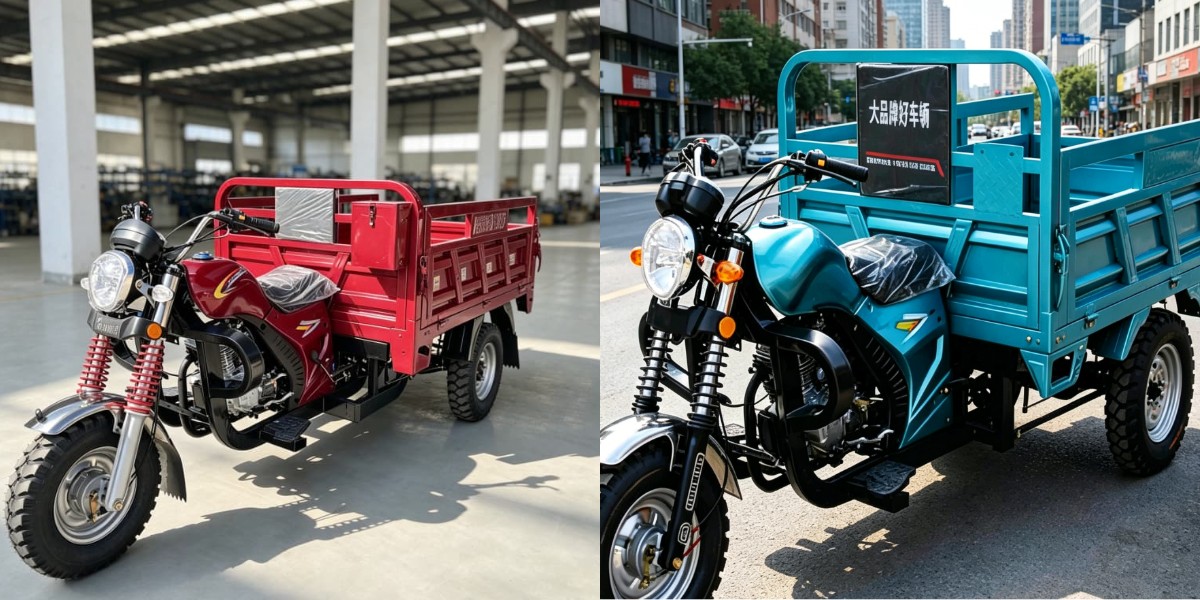
Reduce Total Costs For Small‑budget Operators
Purchase expense and ongoing running costs are top concerns for small‑business buyers. Since all variants are derived from the same gasoline tricycle platform, spare‑part compatibility stays high, and maintenance work becomes simpler. Whether you select the 3 wheel gasoline tricycle in basic specification, invest in the durable water cooled gasoline tricycle, or order the practical dual use passenger cargo gasoline tricycle and commercial gasoline cargo tricycle versions, you do not need to learn totally different repair procedures for each configuration. Compared with buying several different special‑purpose vehicles, selecting configurable variants of one base model greatly lowers overall investment and after‑sales costs for small fleets and individual owners.
Conclusion
The 3 wheel gasoline tricycle delivers outstanding practical value for daily commuting and goods transport. Thanks to its flexible configuration system, operators can get a standard gasoline tricycle, or upgrade to specialized variants including the water cooled gasoline tricycle, dual use passenger cargo gasoline tricycle and commercial gasoline cargo tricycle, all built upon one mature vehicle chassis. For rural merchants and small‑scale fleet investors, this unified‑platform design balances performance, flexibility and total‑cycle cost, solving many real‑world transport pain points in suburban and remote‑area business operations.